Start your 3-day free trial
Sign up to experience all premium features at no cost.
*Available only to new users. Each user is limited to one trial.
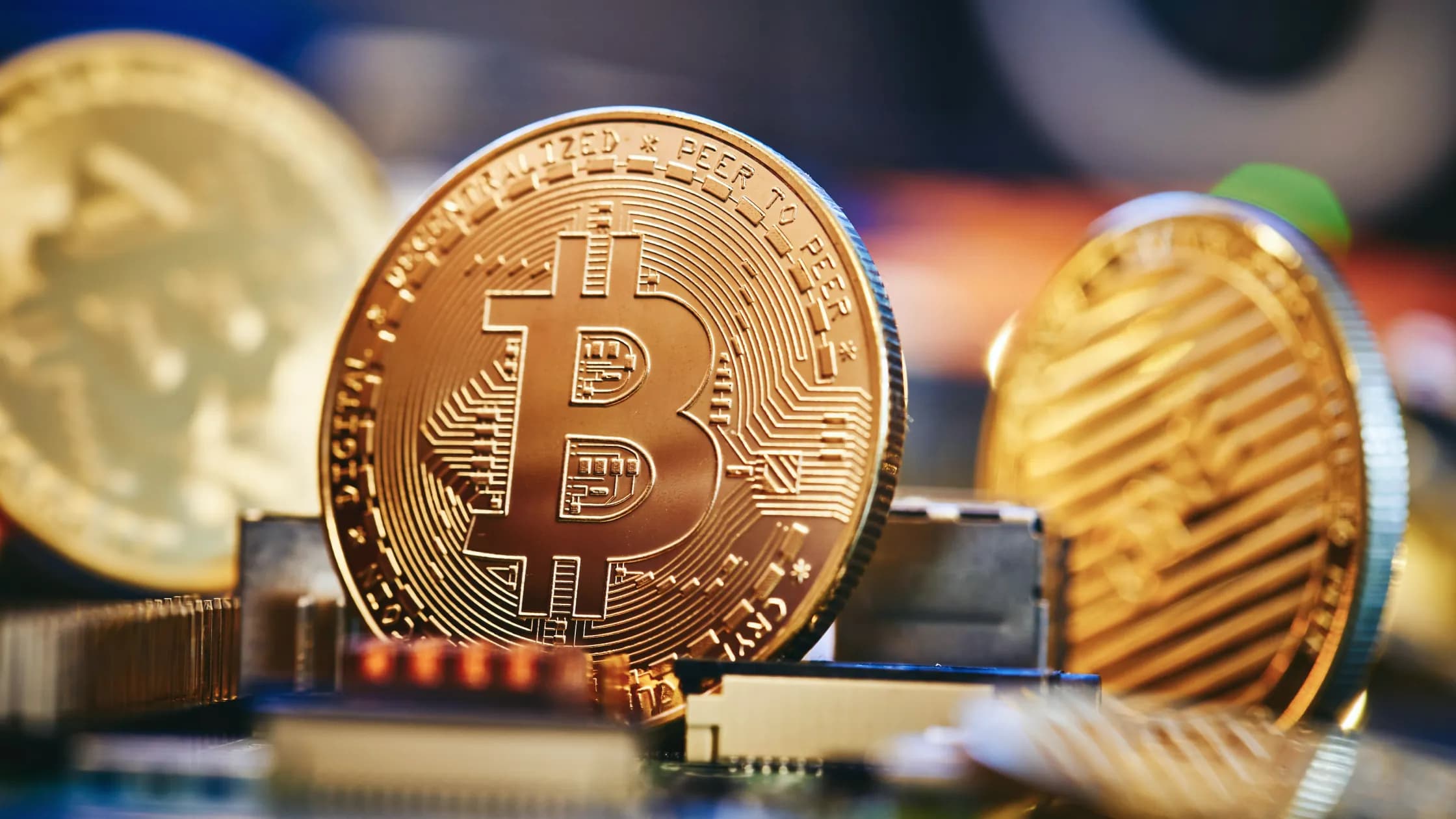

Is Bitcoin anonymous? No. A more accurate word is pseudonymous. A Bitcoin address does not display your legal name like a bank account might, but every transaction is publicly recorded on the blockchain and can be inspected by anyone. The Bitcoin white paper explicitly makes public transaction announcement part of the design.[1]
That means if an address becomes linked to you through an exchange, merchant, social account, donation page, or blockchain analysis, many past and future transactions may be associated with the same identity.
For a broader view of anonymity, read The Complete Digital Privacy Guide (2026) and Does Online Anonymity Really Exist? Understand Anonymous, Private, and Untraceable First.
Key Takeaways
- Bitcoin addresses do not show names, but transaction records are public, permanent, and analyzable.
- Address reuse, exchange KYC, merchant orders, and withdrawal records can connect addresses to real people.
- Blockchain explorers reveal amounts, times, inputs, outputs, and address relationships.
- A VPN can reduce network-layer IP exposure, but it cannot erase on-chain transaction history.
- If you need strong privacy, do not treat Bitcoin as anonymous cash.
| Concept | Simple meaning | In Bitcoin |
|---|---|---|
| Anonymous | It is hard to know who acted | Bitcoin is not fully anonymous by default |
| Pseudonymous | You act through an alias or address | An address works like a public alias |
| Private | You control what others can see | It depends on address habits, transaction paths, and outside data |
| Untraceable | It is hard to connect actions | Bitcoin is naturally traceable on-chain |
Bitcoin's tension is simple: it does not require your real name on-chain, but it makes the transaction graph public.
Bitcoin uses a public ledger. Each transaction references previous outputs and creates new outputs. A blockchain explorer can show:
This information is not an identity document, but it is enough for graph analysis. Law enforcement, exchanges, compliance firms, and chain analytics companies can cluster these data points and assess risk.[4]
Many centralized exchanges require a legal name, ID, bank card, or phone number. When you withdraw from an exchange to an on-chain address, the exchange often knows that the withdrawal address is connected to that account.
If you keep using the same receiving address, anyone who learns its owner once can view that address's history and future transactions. Bitcoin developer documentation also recommends avoiding address reuse to reduce privacy risk.[2]
Paying a store, publishing a donation address, or placing a payment address on a social profile can connect your identity to an address.
When multiple inputs are spent together, outside observers may infer that the inputs are controlled by the same entity. This analysis is not perfect, but it can still create a useful risk profile.
No.
A VPN can hide your real IP when you connect to an exchange, wallet node, or blockchain explorer. That makes the network path more private. It cannot change transaction relationships already written to the blockchain, and it cannot delete an exchange's identity records.
The boundary is:
For the limits of VPNs and anonymity, read How to Browse Anonymously: Do Not Confuse Incognito, VPNs, and Tor.
Bitcoin security risks are not only on-chain. Crypto scams, fake wallets, phishing sites, and exchange hacks are common too. The FTC also warns that crypto transfers are usually hard to reverse once sent.[3]
Start with the basics:
Privacy-enhancing tools can involve legal, compliance, and funds-safety risks. Do not use services you do not understand just because they promise to be "untraceable."
Cash transactions do not normally create a global, public, copyable ledger that can be analyzed for years. Bitcoin does the opposite: it uses a public ledger to enable decentralized verification.
So Bitcoin's privacy model is not "nobody can see anything." It is "people can see addresses and transaction relationships; whether they can trace those back to you depends on the outside clues you leave."
The address itself does not show a person, but it may be traced if linked to an exchange account, order, social profile, or public information.
It usually shows transaction hashes, addresses, amounts, times, confirmations, and input-output relationships.
No. A VPN does not remove exchange KYC, bank records, or the on-chain transaction graph.
It improves privacy, but it is not magic. Transaction paths, withdrawal sources, amount patterns, and outside data can still leak relationships.
They expose data to different observers. Bank transfers are visible to banks and regulators; Bitcoin transactions are public to the network, but addresses do not show legal names by default.
No. Anyone or any site asking for a recovery phrase should be treated as high-risk fraud.
Not casually. Some tools create legal, compliance, freezing, or scam risks. Understand local rules and service reputation first.
Disclaimer
This article is for general digital privacy and cybersecurity education only. It is not investment, legal, tax, or cryptocurrency trading advice. Crypto assets are volatile, and transactions or transfers can be irreversible.
AethoVPN does not replace the non-network steps in “Is Bitcoin anonymous”.
Sources
Sources checked 8 May 2026.
Related Articles:
Sign up to experience all premium features at no cost.
*Available only to new users. Each user is limited to one trial.