Start your 3-day free trial
Sign up to experience all premium features at no cost.
*Available only to new users. Each user is limited to one trial.
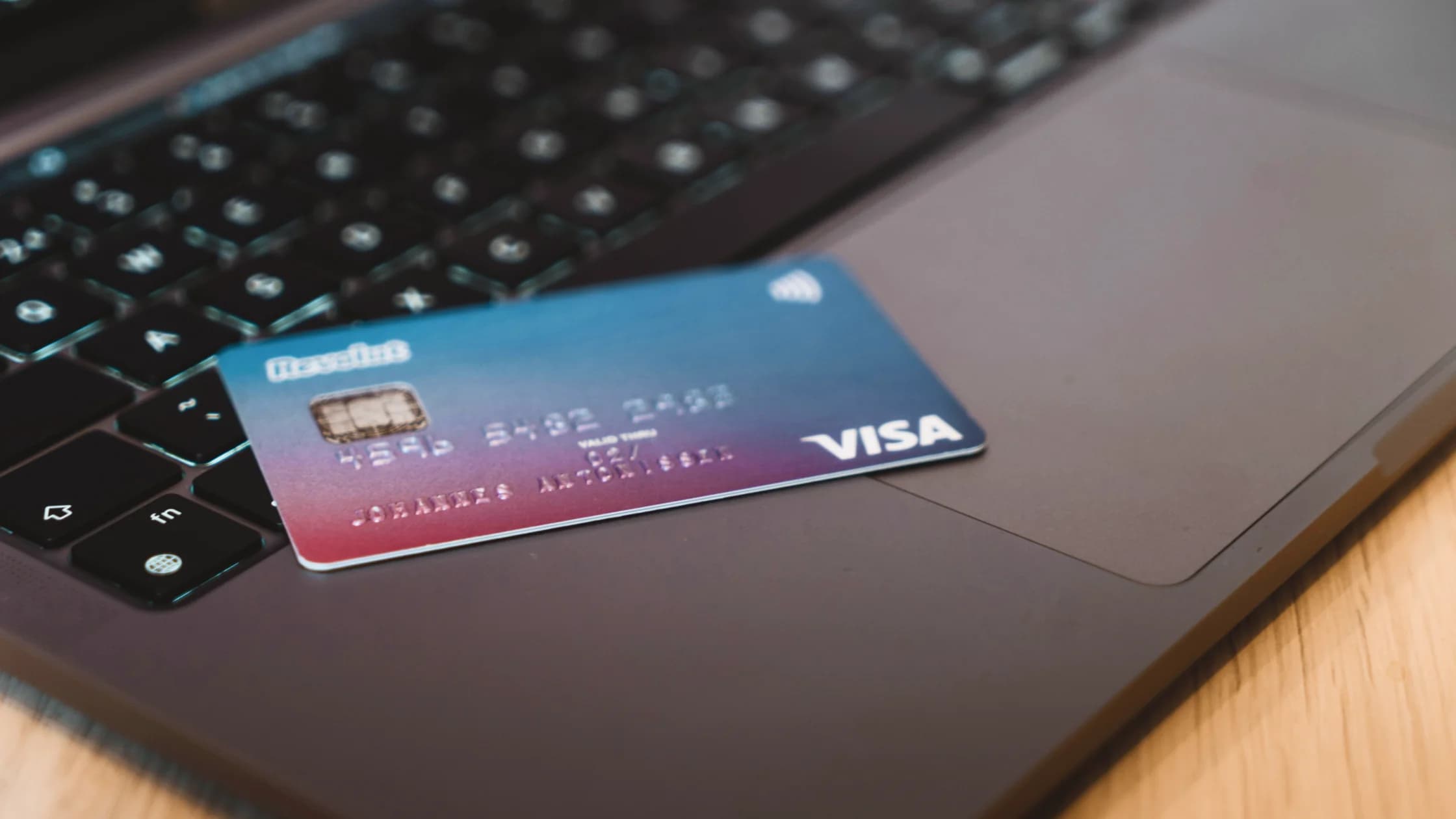

When people hear "identity theft," many think first of stolen credit cards. But the FTC's consumer guidance is clear: identity theft reaches far beyond financial accounts. It can involve medical care, taxes, child data, public benefits, criminal impersonation, and even "synthetic identity" schemes that combine real and fake information.[1][2][3]
If you only watch your credit card statement, you may miss the harder problems.
Use the digital privacy guide as the wider checklist: it connects this issue to accounts, devices, identifiers, and data-broker exposure.
Key Takeaways
- Identity theft is not one scam. It is a category of behavior where someone uses your personal information without permission.[1]
- Financial identity theft is the most familiar type, but medical, tax, child, and synthetic identity theft are often harder to detect.[1][2][3]
- Many victims do not first notice missing money. They notice unfamiliar bills, debt collection, benefits notices, or rejected credit.[1][4]
- Child and synthetic identity theft can stay hidden for years, making cleanup more expensive once discovered.[2][3]
- The sooner you check credit reports, medical benefit statements, tax notices, and public data exposure, the easier it is to contain damage.[1][2]
The FTC defines it plainly: someone uses your personal or financial information without your permission. That can mean more than a card number. It can include your name, address, Social Security number, health insurance number, tax ID, birth date, phone number, or even your child's information.[1]
So when we talk about "types of identity theft," the real question is: What kind of information did the scammer use, and what did they do with it?
This is the most common and easiest type to understand.
Typical signs include:
This type is common because it can be monetized quickly.
The FTC specifically warns that medical identity theft can let someone use your identity to get care, prescriptions, equipment, or insurance reimbursement.[2]
The problem is not only the bill. If someone else's medical record gets mixed into yours, future care can also be affected.
This often shows up when:
You may not find this yourself. The agency may contact you first.
Children are attractive targets because they usually have clean credit files and families rarely check them regularly. The FTC warns that a child's information may be used to open accounts, apply for loans, or request public services, with the problem hidden for years.[3]
This type is especially quiet, and sometimes it can involve people within a family or close social circle.
Synthetic identity theft does not always mean someone fully impersonates you. Instead, scammers combine real information with fake information to build a new identity.
For example, they might use a real Social Security number with a fake name, fake address, and fake birth date, slowly build credit history, then commit larger fraud. The FTC and industry reports both treat this as a growing category worth watching.[1]
For a deeper look, read what synthetic identity theft is and why it is harder to detect.
This is one of the easiest types to overlook and one of the most stressful to clean up. If someone uses your identity when questioned or arrested by law enforcement, clearing the record later can be complicated. The FTC includes impersonation during arrest among the consequences of identity theft.[1]
The scary part is that you may not lose money first. You may first face record and process problems.
| Type | Why it is often missed |
|---|---|
| Medical identity theft | Many people do not regularly review Explanation of Benefits statements or medical bills |
| Tax or benefits identity theft | It is often discovered only after an official notice |
| Child identity theft | Families assume a child has no credit file, so there is nothing to check |
| Synthetic identity theft | Only part of your data may be used, so you may not feel it immediately |
| Criminal identity theft | By the time it surfaces, it may already be in a formal process |
The FTC lists common warning signs such as:
If a lot of your information is public, do not ignore the exposure source. Read how to remove personal information from the internet.
A stronger check usually follows this order:
Many people fail to clean up the issue not because they act too slowly, but because they look in only one direction at the start.
Financial identity theft is usually the most common, including card fraud, new-account fraud, or account takeover, but it is not the only high-risk type.[1][4]
Because it can affect not only bills, but also your medical records and insurance history.[2]
Regular identity theft is more like directly impersonating you. Synthetic identity theft combines real and fake information to create a new false identity.
Children usually have clean credit histories, and many families do not check them. The problem can stay hidden for a long time.[3]
Common signs include unfamiliar bills, credit changes, debt collection, missing expected bills, and unusual medical or benefits notices.[1][2][4]
Confirm the scope, report it to the relevant organizations and the FTC, then freeze or protect key credit and accounts.[1]
Disclaimer
This article is for general digital safety education only and does not constitute legal, tax, medical, or credit repair advice. Reporting procedures vary by country and region.
The AethoVPN editorial team covers identity theft types here; a VPN is not a substitute for the relevant checks.
Sources
Sources checked 8 May 2026.
Related Articles:
Sign up to experience all premium features at no cost.
*Available only to new users. Each user is limited to one trial.