Start your 3-day free trial
Sign up to experience all premium features at no cost.
*Available only to new users. Each user is limited to one trial.
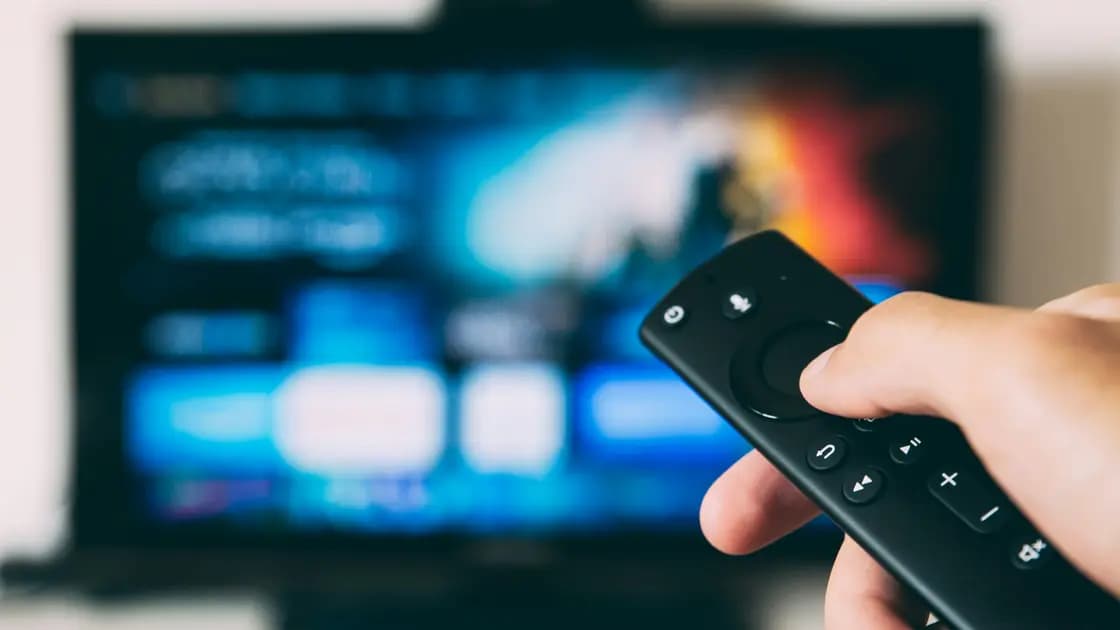

Fire TV network troubleshooting works best when you run the built-in network check before changing saved Wi-Fi details. Use Settings > Network to distinguish a Fire TV that cannot join the router, joins the local network without internet access, or works except for one app. The broader device troubleshooting guide explains why this scope-first approach prevents unnecessary resets.
Key Takeaways
- Use Fire TV's network status information to separate network and internet failures.
- Verify the correct Wi-Fi name and password before forgetting the connection.
- Restart Fire TV and the network equipment before clearing saved state.
- Treat one-app errors as an app or service branch unless other tests also fail.
- Factory reset is a last resort and requires account and setup recovery details.
Record the Fire TV or Fire TV Stick model, software version if available, network name, signal indication, exact error, and when the problem began. Also note whether the device is powered from the television's USB port or its supplied power adapter, because unstable power can look like random network drops or restarts.
| Fire TV result | What it suggests | Next check |
|---|---|---|
| Wi-Fi network is absent | Range, router radio, or unsupported configuration | Check another device and move closer |
| Password fails | Wrong SSID, credentials, or network policy | Re-enter carefully and ask the owner |
| Network is connected, internet is not | Router, modem, ISP, DNS, or policy | Test another device on the same network |
| Both checks pass, one app fails | App, account, content, or service | Open a second app |
| Connection drops during use | Signal, interference, power, or router load | Check placement, power, and another network |
Amazon's Network Status Tool is available from Settings > Network by highlighting the connected network and using the Play/Pause control on supported Fire TV devices. It reports network and internet connection state, and some devices also offer a speed test.[1] Treat the result as a diagnostic snapshot, not as proof that every app or streaming service is healthy.
Open a second Fire TV app, then test another phone or computer on the same Wi-Fi. If every device fails, continue with the router connected without internet guide. If Fire TV alone fails, compare another trusted network or Ethernet when the model supports a compatible adapter.
Distance and radio conditions matter. The Wi-Fi band guide explains why the fastest band at close range may not be the most stable behind a television, cabinet, or several walls.
Work through these steps in order and test after each one:
Amazon's Wi-Fi troubleshooting guidance includes restarting Fire TV, forgetting and reconnecting to the network, and restarting modem/router equipment.[2] Forgetting the network is more disruptive than a restart because it removes the stored password and can require another captive or managed-network authorization.
Use the status tool to confirm which layer failed, then test another device on the same network. Multiple failing devices point toward the router, modem, ISP, or administrator. One failing Fire TV points toward its active connection, saved state, power, placement, or a device-specific rule.
Do not immediately change DNS, turn off firewall or parental controls, or restore the router to factory settings. Record custom DNS, filtering, static addressing, access-control lists, and managed-network requirements before a temporary test. Restore each value afterward so the diagnosis remains attributable.
A hidden SSID still requires the exact network name, security type, and password. Hidden names do not make a network more trustworthy, so confirm the details with its owner. On hotel, campus, apartment, or business networks, Fire TV may require device registration or may not support the captive sign-in process.
Do not clone another device's identity or bypass access controls. Ask the network administrator whether streaming devices are permitted and what registration method is supported. If the Fire TV is managed by an organization, do not remove profiles or controls that return automatically.
Open another app and play a different item. If that works, the Wi-Fi link and internet path are at least partially functional. Check the affected service's status, account, subscription, region, and app update before altering the network.
Restarting one app or Fire TV is lower risk than clearing app data. Clearing data can remove sign-in state, downloads, and preferences. Reinstalling can have the same effect, so confirm the account recovery method and whether the app is still available for that Fire TV model.
App recommendations and general streaming choices are separate from network troubleshooting and are not evidence that the connection itself is broken. Keep content availability, service policy, and device connectivity as separate questions.
Yes. An underpowered stick may restart, freeze, or disconnect under load. Use the device's supported power supply and inspect the cable and connector for damage. Do not continue using equipment that is unusually hot, smells burned, sparks, or has damaged insulation.
Allow ventilation around the device and television ports. Heat or power instability is a hardware branch; changing Wi-Fi credentials will not repair it.
Check for Fire TV software and app updates after the network is stable enough to complete them. Keep the device powered during the process. If the interface or menu path differs, use Amazon support for the exact model rather than following an unrelated television manufacturer's steps.
Before factory reset, record:
A factory reset cannot repair weak signal, an offline router, an ISP outage, unsupported captive authorization, or a failed service. Use it only after supported diagnostics, restarts, network comparisons, updates, and app-specific checks have failed.
Contact the ISP or network administrator when multiple devices fail. Contact the app provider when one app alone fails. Contact Amazon or the hardware maker when the Fire TV alone cannot join a known-good network or continues dropping after supported power, restart, placement, and update checks.
On supported devices, open Settings > Network, highlight the connected network, and press Play/Pause to view connection details. Available fields can vary by model and software version.
The Fire TV may have joined the router while the gateway, modem, DNS path, ISP, or network policy is failing. Test another device on the same network and compare the tool's network and internet results.
Only after checking the correct SSID and password, running diagnostics, and restarting the Fire TV and router. Forgetting removes saved credentials and may require new authorization.
The affected app, account, content, or service may be failing even though the connection works. Test another app and check the provider before resetting network settings.
It depends on that network's captive sign-in and device policy. Ask the operator whether streaming devices are supported and use only its approved registration process.
Use the power method supported for the model. Inadequate or unstable power can cause restarts and disconnects that resemble Wi-Fi trouble.
No. Range, walls, interference, router design, and model support all affect the result. Test one change at a time and keep the most stable supported connection.
Only after network diagnostics, restarts, comparisons, updates, and app-specific checks fail. Confirm account, Wi-Fi, settings, and app recovery details first. AethoVPN is relevant only if a supported Fire TV network setup reaches the internet and the remaining issue is VPN routing; it cannot repair Wi‑Fi, account activation, or a failing app.
Sources checked 28 August 2026.
Sign up to experience all premium features at no cost.
*Available only to new users. Each user is limited to one trial.