Start your 3-day free trial
Sign up to experience all premium features at no cost.
*Available only to new users. Each user is limited to one trial.
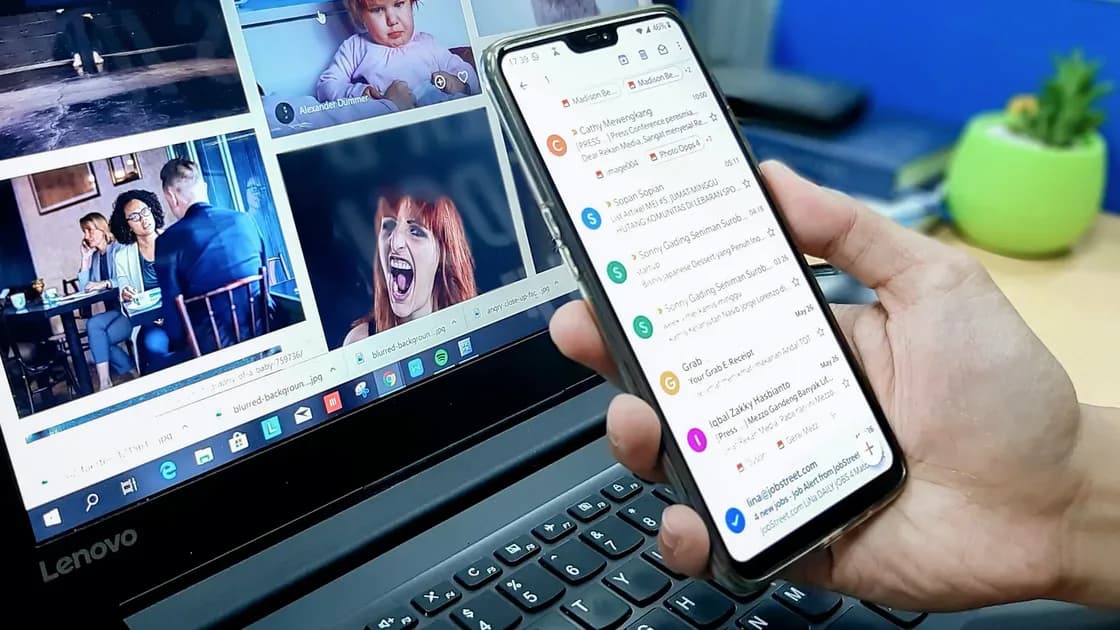

Short answer: can emails be traced? Yes. Email systems leave headers, delivery-server paths, timestamps, and sending-related metadata. Google and Microsoft both explain that email headers can show which servers handled a message and some technical sending details.[1][2]
That does not mean every recipient can instantly find your home address. Whether an email can be traced back to you depends on the email service, sending method, identity clues you expose, and which header data the other person can see.
Use the digital privacy guide as the wider checklist: it connects this issue to accounts, devices, identifiers, and data-broker exposure.
Google and Microsoft both document ways to view full email headers.[1][2]Common fields include:
FromToDateMessage-IDReturn-PathReceived chainsIn practice, someone may see what type of server sent the message, which relays handled it, what sender address is displayed, and when it was sent and received.
Ordinary recipients usually see headers after your email service has processed the message, not every raw device-side detail. Whether a specific IP or other origin detail appears depends on the provider and sending method.
For example:
Often, people "trace" a sender because the sender included enough clues, not because of advanced forensics.
EFF defines metadata as data about a message rather than the message content itself, such as who sent it, when, and from where.[3]For email, metadata can reveal a lot even when the body stays private.
In many security investigations, attackers, administrators, and responders look at headers and metadata before they look at the body. Phishing detection, sender spoofing, and abnormal routing all depend on these signals.[1][2]
| Scenario | What can be seen | Common use |
|---|---|---|
| Recipient views headers | Sender address, server path, timestamps | Spot spoofing and rough origin |
| Enterprise admin analyzes headers | Fuller delivery path and authentication results | Anti-phishing, audit, troubleshooting |
| Email pixel tracking | Whether and when you opened it, and which client | Marketing analytics or privacy tracking |
| Compromised mailbox investigation | Login records, forwarding rules, header anomalies | Check for account takeover |
That last scenario is more common than many people think. The real problem is often that the mailbox was phished first.
Google says you can open a message, choose Show original, and use Google Admin Toolbox Messageheader to analyze headers.[1]
Microsoft provides an Internet headers view and explains common fields.[2]
From matches the real sending path;Return-Path looks suspicious;Received chain is abnormal;If you handle suspicious email often, this is more reliable than judging only the tone of the message.
Many email incidents start not with someone tracing you, but with someone tricking you into giving up your mailbox password. Once the mailbox is taken over, password reset routes for other accounts are at risk too.[4]
Some marketing emails use invisible pixels to learn whether and when you opened a message. That may not identify you by name, but it can confirm that the address is active.
If you want to contact someone anonymously but use your real mailbox, real signature, and real attachment filenames, you have almost no anonymity.
Do not use one main mailbox for shopping accounts, public contact, and sensitive communication. Separating purposes reduces exposure.
If your goal is stronger identity separation, the question is not just one email header. It becomes a full identity-isolation strategy. Continue with how to send an anonymous email.
Not always. Recipients usually see service routing and delivery information first. Whether your real IP appears depends on the provider and sending method.[1][2]
They can show sender address, relay path, timestamps, and authentication results. They are important clues when checking suspicious email.[1][2]
It is different, but it is still sensitive because it can reveal communication relationships, timing, and origin.[3]
For regular users, common methods are header analysis, open-tracking pixels, and investigation after phishing-based account takeover.
No. Real signatures, attachments, device habits, and login traces can still weaken anonymity.
No. A VPN changes your network path, but it does not erase email metadata or server-side records.
Disclaimer
This article is for general digital security education only. It does not constitute legal, forensic, or enterprise email compliance advice. Email providers differ in how they display headers and retain logs.
AethoVPN cannot perform the account, device, or offline checks in “Can emails be traced”.
Sources
Sources checked 8 May 2026.
Related Articles:
Sign up to experience all premium features at no cost.
*Available only to new users. Each user is limited to one trial.