Start your 3-day free trial
Sign up to experience all premium features at no cost.
*Available only to new users. Each user is limited to one trial.


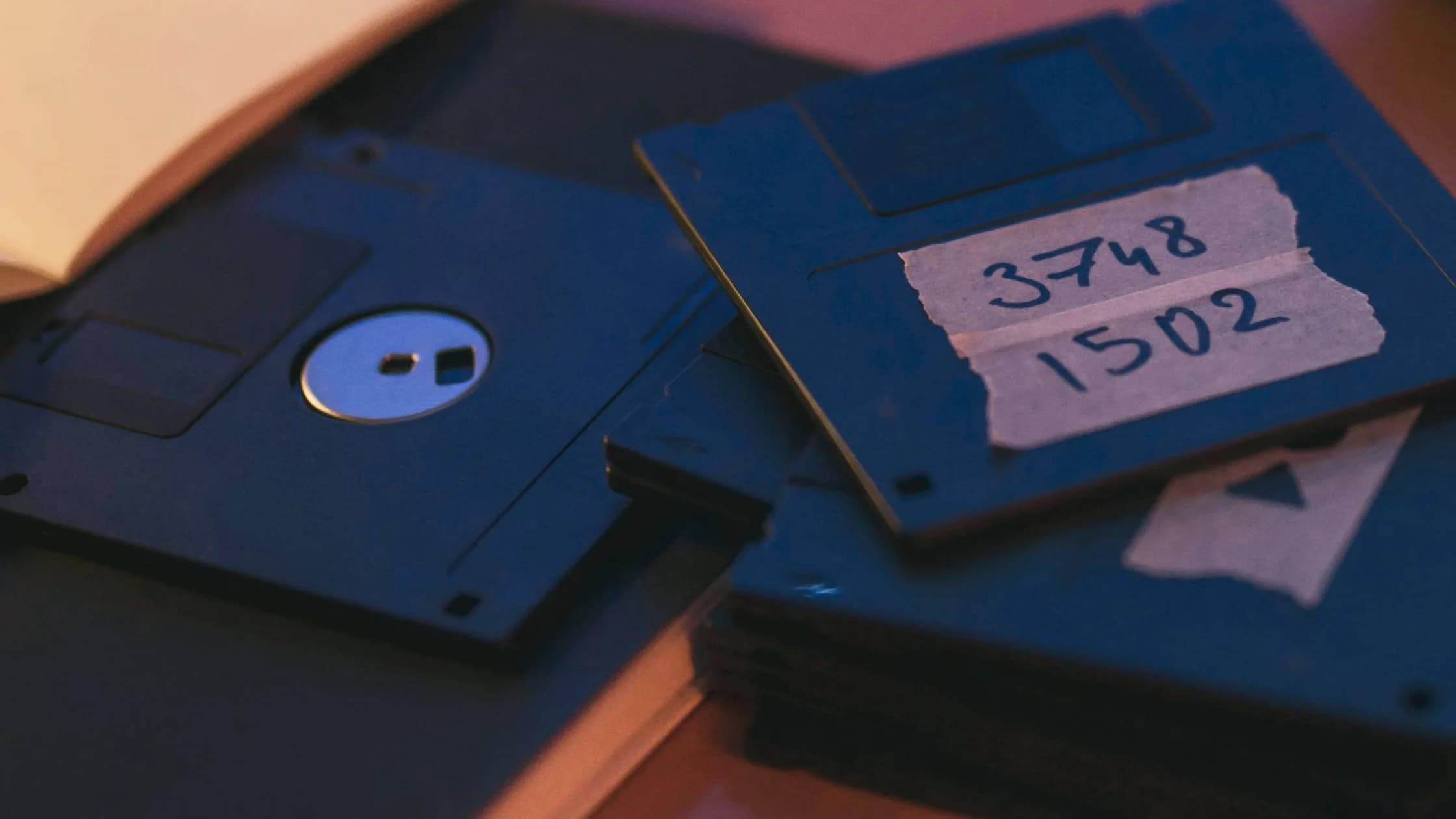
Data hoarding means keeping far more files, emails, screenshots, chats, backups, and customer records than you actually need, then rarely cleaning them up. It may look like harmless procrastination, but for individuals it slows devices and makes information harder to find. For companies, it expands breach exposure and increases compliance and investigation costs.
More data does not automatically mean more safety. Often, the safer choice is to keep only what you need and know when it should be deleted.
Use the digital privacy guide as the wider checklist: it connects this issue to accounts, devices, identifiers, and data-broker exposure.
Key Takeaways
- Data hoarding is not normal collecting. It is long-term accumulation even when the data no longer has a clear purpose.
- For individuals, it can slow devices and increase the damage from accidental sharing or account compromise.
- For businesses, old data, dark data, and ownerless records can make a breach much worse.
- The NIST Privacy Framework emphasizes governance, identification, and controls for managing privacy risk.[1]
A backup has boundaries. Hoarding does not.
| Behavior | Normal backup | Uncontrolled retention |
|---|---|---|
| Purpose | Recovery and loss prevention | "I might need it someday" |
| Scope | Important files and defined folders | Every screenshot, old archive, and duplicate file |
| Cycle | Clear retention period | Rarely deleted |
| Security | Encrypted, classified, traceable | Copied everywhere, permissions unclear |
| Result | Reduces loss | Expands exposure |
In other words, backup is a security strategy. Long-term messy storage is an uncontrolled habit.
The reasons are familiar:
Many people do not lack storage space. They lack deletion rules.
If a laptop, cloud drive, or business system is compromised, attackers may not only get current files. They may also get years of old documents, historical contracts, ID photos, chat attachments, and former employee records.
The harm from a breach often comes from data nobody remembered still existed.
When there are too many files, it is easier to send the wrong attachment.
That could mean adding an old spreadsheet with customer information to an archive, or sharing a screenshot that still contains a phone number, address, or order ID.
When you have 20 "final" versions, eight "new folder" directories, and hundreds of unnamed screenshots, finding the right file becomes a risk in itself.
The messier the system, the more you rely on temporary copies. The more temporary copies you create, the more stray data you leave behind.
Privacy rules usually emphasize purpose, necessity, retention periods, and safeguards. The EU GDPR says personal data processing should be limited to what is necessary and retained no longer than needed for the purpose.[2]The FTC has also repeatedly warned businesses not to collect or keep data beyond business needs.[4]
China's Personal Information Protection Law similarly emphasizes limiting personal information processing to the minimum scope needed for the processing purpose and avoiding excessive collection.[3]
Use this quick self-check:
If several apply, do not panic. Start with one folder.
Sort files into three groups:
| Category | Action |
|---|---|
| Must keep | Encrypt, name clearly, back up |
| Keep temporarily | Set a deletion date |
| Should delete | Delete now and empty the trash |
Do not re-litigate every file. Create the rule first, then clean by the rule.
One giant cleanup is easy to postpone. Ten minutes a day is more realistic.
Start with:
Files containing IDs, passports, bank cards, contracts, medical records, tax records, or account recovery codes should not sit in ordinary folders.
Use this approach:
Companies cannot rely on employees to "remember to delete things."
At minimum, define:
That is where the NIST Privacy Framework is useful: it is not just about security tools, but about helping organizations identify, govern, and manage privacy risk.[1]
Keeping your own files is usually not illegal. But storing pirated content, other people's personal information, company data, or data beyond your authorization can create copyright, privacy, or compliance issues.
No. Backups without encryption, access control, and retention limits can become another source of exposure.
Yes. Space is not the only issue. Permissions, sensitive information, duplicate copies, and breach impact matter more.
Not always. Ordinary deletion may leave it in the trash, backups, synced drives, or version history. For sensitive files, check cloud copies, backups, and shared links too.
Long-term retention increases breach impact and compliance burden. Many privacy principles require processing and storage to stay limited to what is necessary and for only as long as necessary.[2][3]
Dark data usually means data a company has collected but rarely uses, cannot manage well, or cannot clearly value. Long-term messy storage creates more of it.
No. A VPN cannot delete old files for you, but it can encrypt your network connection and reduce visibility on public networks and at the ISP layer. Data minimization and encrypted connections should work together.
Disclaimer This article provides general privacy and security guidance. It is not legal, compliance, or data governance advice.
The AethoVPN editorial team covers digital hoarding here; a VPN is not a substitute for the relevant checks.
Sources
[1]NIST Privacy Framework [2]GDPR Article 5 Principles [3]中国个人信息保护法 [4]FTC Data Minimization blog
Sources checked 8 May 2026.
Related Articles:
Sign up to experience all premium features at no cost.
*Available only to new users. Each user is limited to one trial.