Start your 3-day free trial
Sign up to experience all premium features at no cost.
*Available only to new users. Each user is limited to one trial.


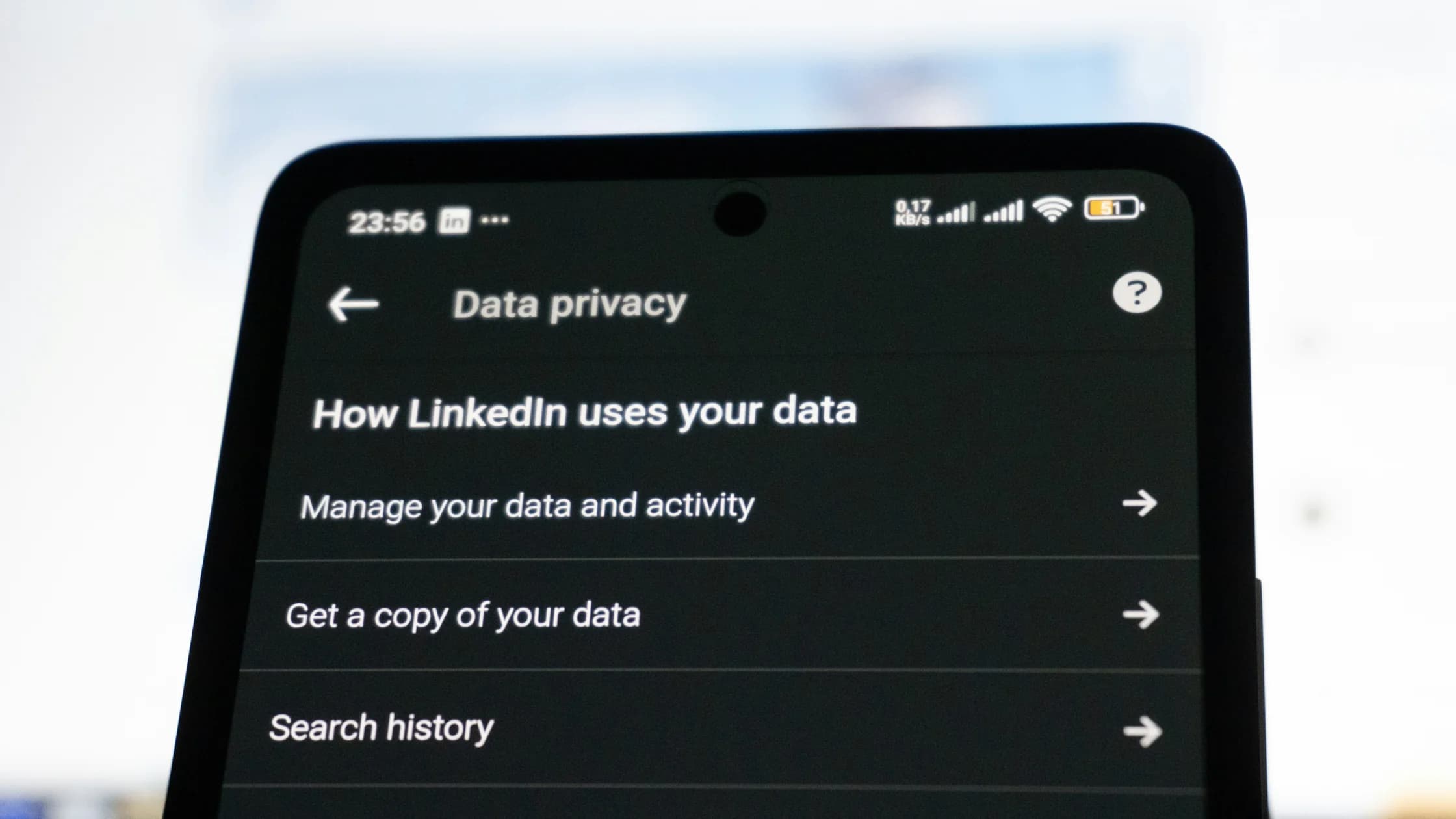
Whether you shop online, use maps for navigation, or create a new social media account, data sharing is happening quietly in the background. In simple terms, data sharing is the exchange of information between different systems, organizations, or people. It makes modern services convenient, but it also exposes personal privacy to serious risk. If you do not know how your data is being shared, you may already be a transparent node in the data economy.
Cloudflare defines data privacy as a person's ability to decide when, how, and to what extent personal information is shared.[3]
Use the digital privacy guide as a wider checklist: it connects this issue to accounts, devices, identifiers, and data-broker exposure.
Key Takeaways
- Data sharing is everywhere: Almost every online service and app depends on shared data to operate.
- Classification matters: Internal vs. external sharing and public vs. private data require very different security controls.
- Privacy risk is high: Unauthorized access, failed anonymization, and data breaches are the biggest threats around shared data.
- You can regain control: Understanding and limiting app permissions, combined with security tools, can reduce excessive data sharing.
The internet runs on information moving between systems, and data sharing is the highway that makes that movement possible. In today's connected world, services from healthcare to education to fintech depend on data flowing smoothly. That means every click, search, and location ping can become a shareable digital asset. Once it leaves your control, it can even become part of the invisible tracking network described in who is tracking you online.
That sharing should not be a black box. Understanding how data sharing works is the first step toward protecting personal privacy.
Internal data sharing happens inside the security boundary of a single organization. For example, a company may share customer support feedback with the product team to improve software. This kind of sharing is usually controlled by internal policies such as RBAC, or role-based access control, so the risk is more manageable.
External sharing is more complex and much riskier. It involves sending data to third parties outside the original organization. When you sign in to an app with WeChat or Google, that is external sharing. When an ecommerce platform shares delivery details with a logistics company, that is another common example. At that point, your data leaves the direct protection of the company that first collected it, and the risk increases sharply.
Before sharing data, organizations need to classify it properly:
Technology companies often say user privacy is a top priority, but reality is less comforting. Once your data is shared, the following risks can follow it.
Many companies say they anonymize information before sharing it. In theory, removing names, phone numbers, and other direct identifiers should make the data safe. In practice, researchers have shown that combining multiple anonymized datasets, such as location histories and purchase habits, can re-identify people. At large scale, "anonymous" data can be surprisingly fragile.
If access controls in a data sharing system are weak, unauthorized people, including insiders or external attackers, may reach sensitive information. In recent years, misconfigured APIs and compromised third-party partners have repeatedly led to large user data breaches.
Have you really read those privacy policies and terms of service that run for dozens of pages? Many apps bury data sharing permissions inside dense legal language, causing users to "voluntarily" give up information without truly understanding what they allowed.
You cannot completely stop data sharing. Doing so would make many online services unusable. But you can greatly reduce unnecessary exposure.
When registering for a new service or installing a new app, provide only the information that is required. If a flashlight app asks for contacts and location, deny it. Use protections such as "hide my email" or virtual phone numbers when possible.
Spend five minutes each month checking iOS or Android settings. Revoke permissions that are rarely used or not needed at all, such as microphone, camera, and background location tracking. This app permission risks guide explains the process in more detail.
Under the GDPR, people have rights including access, data portability, and erasure in defined circumstances.[1] China's Personal Information Protection Law also gives individuals rights to know, decide, restrict or refuse processing, and request deletion when statutory conditions are met.[2]
It is a legal contract that defines how multiple organizations or systems must handle, use, store, and protect shared data. It reduces compliance risk and clarifies responsibility, making it important for companies that follow laws such as GDPR.
On iOS, go to Settings > Privacy & Security > Tracking and turn off "Allow Apps to Request to Track." On Android, open Settings > Privacy > Permission manager and review apps one by one.
GDPR sets strict standards for collecting and sharing personal data. When processing relies on consent, that consent must be freely given, specific, informed, and unambiguous. It also gives individuals rights such as data portability and erasure; the exact right and lawful basis depend on the circumstances.
Data sharing is usually used to complete a business function or provide a service, such as sending payment information to a bank. Data selling is when data brokers package information about you and sell it to advertisers or marketing companies.
Disclaimer: This article is for educational and informational purposes only and does not constitute legal or network configuration advice. Technology and relevant laws may change over time.
AethoVPN does not replace the non-network steps in “What Is Data Sharing A Guide to Digital Privacy”.
Sources:
[1]European Commission — Information for individuals under the GDPR: https://commission.europa.eu/law/law-topic/data-protection/information-individuals_en [2]Cyberspace Administration of China — Personal Information Protection Law of the People's Republic of China: https://www.cac.gov.cn/2021-08/20/c_1631050028355286.htm [3]Cloudflare — What is data privacy?: https://www.cloudflare.com/learning/privacy/what-is-data-privacy/
Sources checked 5 August 2026.
Related Articles:
Sign up to experience all premium features at no cost.
*Available only to new users. Each user is limited to one trial.