Start your 3-day free trial
Sign up to experience all premium features at no cost.
*Available only to new users. Each user is limited to one trial.

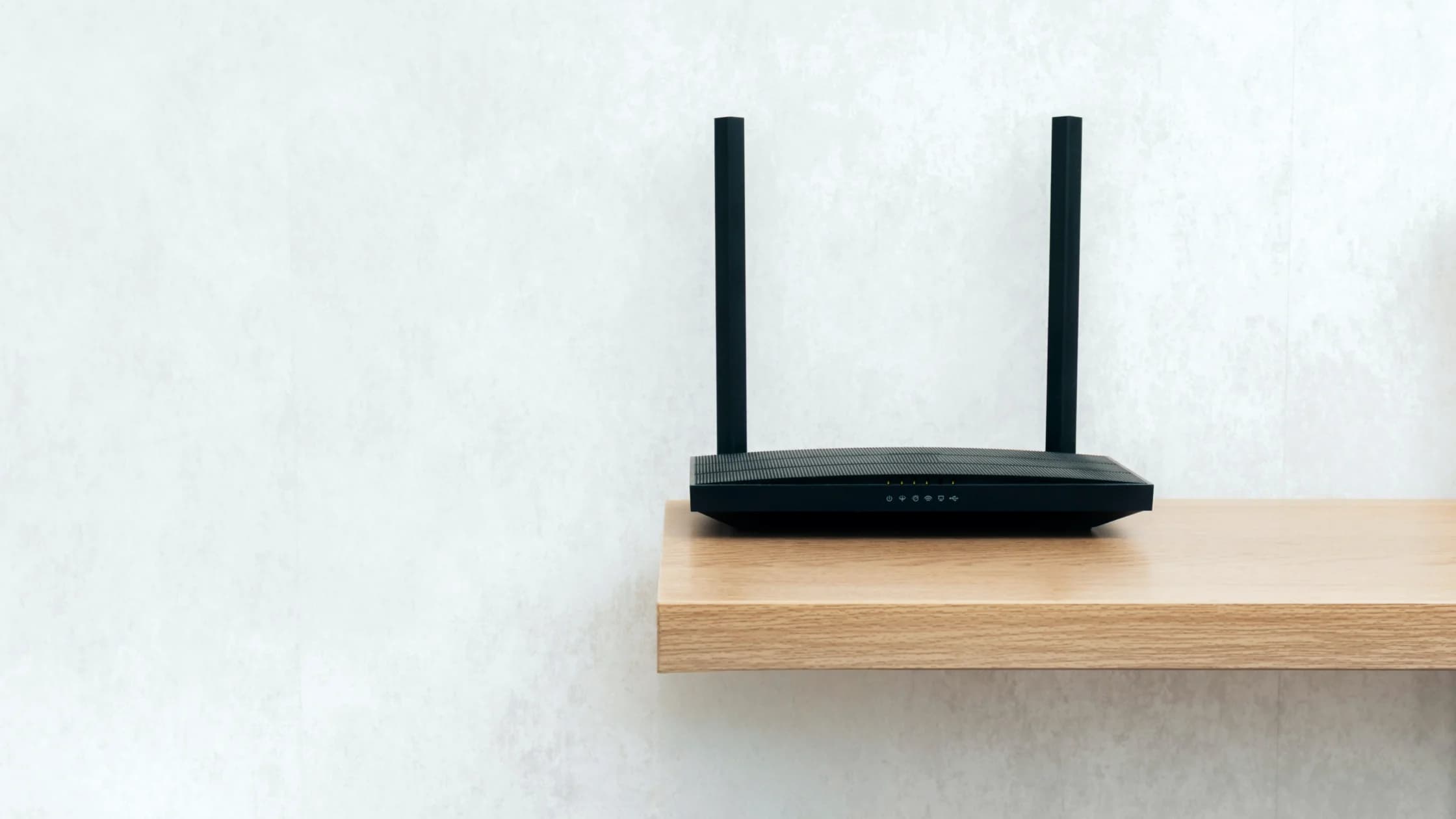
If you only do one thing to improve home Wi‑Fi security, it should not be just “make the password harder.” The stronger move is to tighten the admin password, wireless encryption, firmware updates, guest networks, and IoT isolation together. Public guidance from the FTC, FCC, and Apple points to the same pattern: home network risk often comes from old settings, default settings, and settings nobody has checked in months.[1][2][3]
Many people treat home Wi‑Fi as background plumbing: if it connects, it is fine. In practice, it is the front door to your digital home. A loose lock can affect more than speed; it can expose laptops, phones, cameras, and NAS devices.
If you first want to check whether someone is using your Wi‑Fi or whether your router looks tampered with, read Is Someone Stealing Your Wi‑Fi? 6 Signs and a Full Protection Checklist and How to Tell if Your Router Has Been Hacked: 7 Common Warning Signs. To place home network issues in a broader security framework, see the Complete Network Security Guide. For a more everyday privacy angle, start with the Complete Digital Privacy Guide (2026).
Key Takeaways
- Home Wi‑Fi security depends on a set of settings working together, not one trick.[1][2]
- Admin passwords, WPA3/WPA2, firmware updates, and disabling WPS are usually the first steps.[1][2][3]
- Separating guest and IoT devices from your main network often lowers lateral risk more than simply changing the Wi‑Fi password.
- A router that still runs default settings is hard to call “hardened.”
- Your home network protects the local entry point; hotel and cafe hotspots need a separate layer of connection encryption.
The problem is easier to solve when you split it into layers:
Most home network problems are not caused by unusually advanced attacks. They happen because one layer stays on a default setting, goes unpatched, or is never reviewed.
Your Wi‑Fi password and your router admin password are different. The first controls who can join the network; the second controls who can change the rules. Both the FTC and FCC advise home users to replace default admin credentials early.[1][2]
If you still use the username and password printed by the manufacturer, put this at the top of the list.
Apple’s router recommendations and the FCC’s home network advice point in the same direction: old protocols should not remain the default.[2][3] If your router and devices support WPA3, use it. If compatibility is a problem, use WPA2 consistently instead.
If you are not sure what you are using now, see What Is a Network Security Key? How to Find Your Wi‑Fi Password and Security Type.
The problem with WPS is not that it is convenient; it is that it can add attack surface. Remote management is similar. Unless you have a clear need for it, turning it off is usually safer.[1][2]
Firmware updates are not only for new features. More often, their value is patching known vulnerabilities and fixing compatibility issues. Apple also lists automatic firmware updates among its recommended settings.[3]
If you cannot remember your last update, that is usually your cue to check.
This is one of the easiest steps to overlook and one of the most useful in practice.
A guest network is not only for visitors. It is also a good place for temporary or lower-trust devices. Cameras, robot vacuums, TV boxes, and smart plugs tend to update slowly, appear in large numbers, and spread permissions across many apps. They should not live indefinitely on the same flat network as laptops, phones, and work devices.
These settings are not always the first to fail, but if they are changed without your knowledge, the impact can be large. Apple’s router guidance also stresses consistency in core settings such as DHCP, DNS, and NAT.[3]
Most households do not need to tune many parameters manually, but you should at least know that:
Some steps are not useless, just lower priority:
They can supplement your setup, but they should not replace the basics: replacing default credentials, using modern encryption, maintaining firmware, and segmenting the network sensibly.
This order is usually the most reliable:
The benefit of this sequence is simple: lock the most important door first, then clean up the details.
Usually, change the router admin password first, then check wireless encryption and firmware status.[1][2]
Usually not. The admin password, WPS, remote management, and firmware updates matter too.
Yes, but if your devices support WPA3, use WPA3 first.[2][3]
Yes, especially if your home has many devices or many IoT devices. It separates lower-trust devices from your main devices.
There is no universal schedule. If your router supports automatic updates, enable them. If not, check regularly.[3]
Disclaimer: This article is for general home network security education only and does not provide technical support for a specific router model. Admin panels, menu paths, and feature names vary by brand.
For “Home Wi‑Fi security”, AethoVPN cannot replace checks beyond the network path.
Sources:
Sources checked 8 May 2026.
Related Articles:
Sign up to experience all premium features at no cost.
*Available only to new users. Each user is limited to one trial.