Start your 3-day free trial
Sign up to experience all premium features at no cost.
*Available only to new users. Each user is limited to one trial.
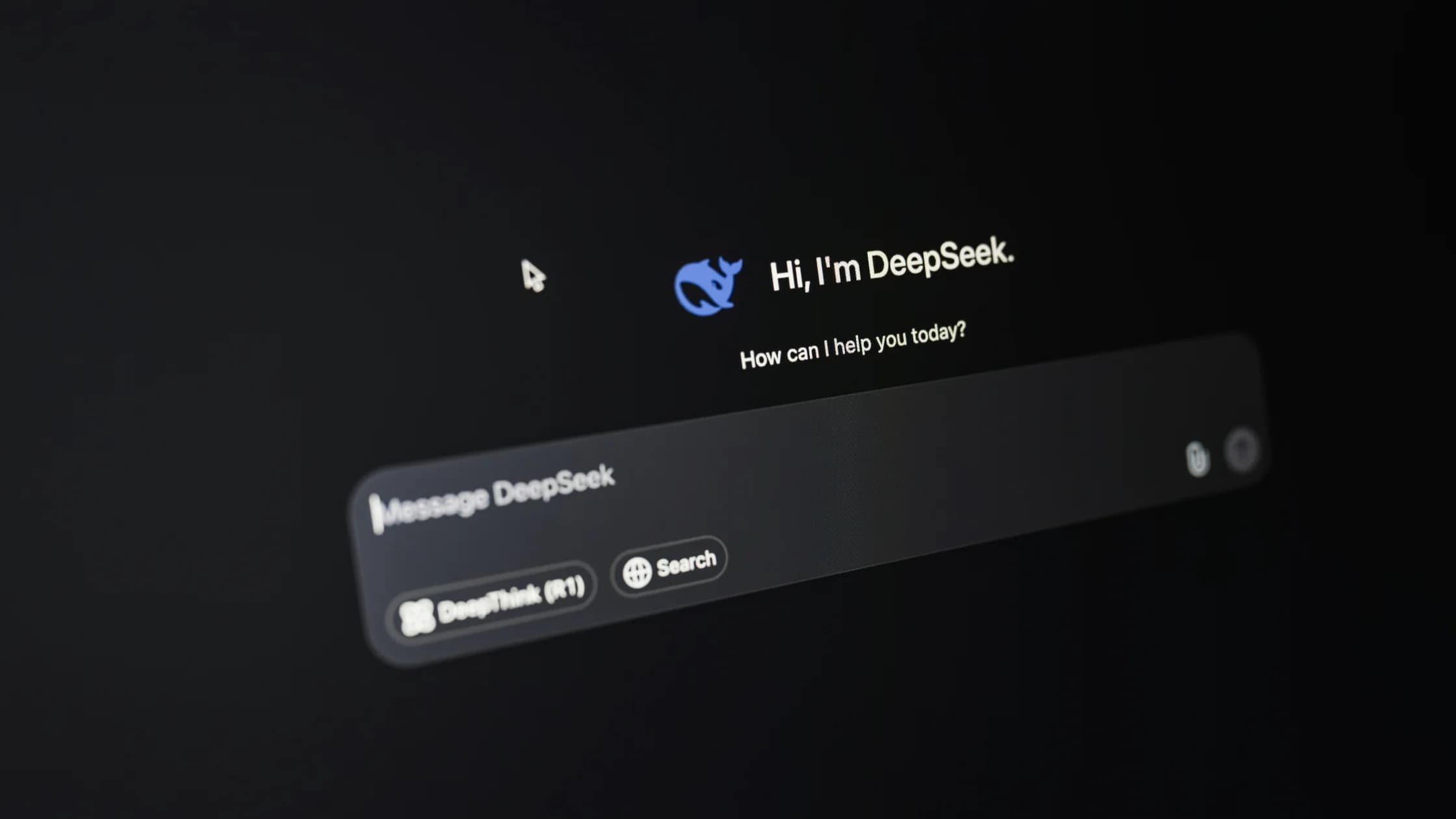

My take: is DeepSeek safe depends on what you put into it. If you use it for low-sensitivity questions with no account assets, work secrets, or personal identifiers, cautious use can be reasonable. If you want to paste work documents, customer records, internal code, contracts, or private sensitive content into it, the answer is much less comfortable. The real risk is not only the model. It is where your data goes, how the mobile app handles it, and what you type into the box.[1][2][3]
The biggest problem with tools like this is rarely “will it suddenly become a virus?” It is that people treat the chat box like an ordinary notepad and pour in content that should never leave their device or organization.
If you want to understand what generative AI can do in cybersecurity and what new risks it creates, read generative AI in cybersecurity.
Use the digital privacy guide as the wider checklist: it connects this issue to accounts, devices, identifiers, and data-broker exposure.
Key Takeaways
- DeepSeek is not automatically unusable, but its cloud and mobile privacy, security, and compliance risks deserve caution.[1][2]
- DeepSeek’s privacy policy states that the service is controlled by a Chinese company and that personal data is handled under its policy.[1]
- NowSecure’s analysis of the DeepSeek iOS app reported issues including unencrypted transmission, weak encryption, and device fingerprinting concerns, making casual mobile use less simple.[2]
- In February 2025, New York State announced a ban on DeepSeek for government devices and networks, citing data and surveillance concerns.[3]
- For ordinary users, the practical rule is not “never use AI.” It is: do not paste sensitive, identifiable, or internal business content into it.
This distinction matters.
If you use the website or official mobile app, you are using a cloud service. Your prompts, usage metadata, device information, and conversation behavior may enter server-side processing. If you run an open model locally, the risk structure changes because the core content does not automatically have to leave your device.
Many discussions ask whether DeepSeek is good. The better first question is: what are you giving to whom for processing?
DeepSeek’s privacy policy states that the service is controlled by a Chinese company and describes how service-related personal data is processed.[1]
That does not automatically mean “something bad will happen,” but it does tell you two things:
For ordinary users, the practical issue is usually not geopolitics by itself. It is whether you pasted real names, phone numbers, email addresses, customer files, company documents, medical details, or account secrets into the service.
Mobile apps are not just websites copied onto phones.
In February 2025, NowSecure published research on the DeepSeek iOS app and reported several risk areas, including unencrypted data transmission, weak encryption implementation, credential storage issues, and device fingerprinting concerns. It also said the app bypassed iOS App Transport Security.[2]
What does that mean in practice?
If you treat DeepSeek on your phone as a “quick notes plus sensitive content” container, the risk can be higher than it looks.
Not necessarily.
If you only:
then using DeepSeek can be reasonable.
But if you are handling:
you should not paste it into a cloud chatbot just because it is convenient.
If you often grant broad permissions to mobile tools, read what app permissions can expose.
Because they handle more sensitive information by default.
In February 2025, New York State announced a ban on downloading and using DeepSeek on government-managed devices and networks, citing concerns about foreign government surveillance, censorship, and data collection risks.[3]
That does not mean every individual user must ban it entirely. It does show a real pattern: when the context becomes public sector, enterprise secrets, or high-value data, risk tolerance drops quickly.
NIST recommends evaluating generative AI as a sociotechnical system: not only whether it works, but also how it affects people and the environment in which it is used.[4]
This is the first and most important rule.
Do not paste:
Given the public mobile app findings, do not assume the phone app is the safer default.[2]
Do not use the same tool for private sensitive questions and company tasks.
If the task truly involves sensitive content, local deployment is often safer than sending the material to a public cloud service.
An AI chat box is not a vault. The more you use it as a notes database, the easier it becomes to forget what you already gave it.
When people ask whether DeepSeek is safe, they often mean: “Can I treat it like a local notebook?”
My answer is no.
It is better suited to low-sensitivity, public, replaceable information. It should not be the default place for your private or work-sensitive content. Once that boundary is clear, many risk decisions become much easier.
That is not the right conclusion. More accurately, as a cloud AI service and mobile app, it has privacy, security, and compliance risks that deserve caution.[1][2]
For individuals, the biggest concern is entering sensitive content that should not be uploaded. For organizations, mobile app risk, data jurisdiction, and compliance also matter.[1][2][3]
If the question is whether data leaves your device, local deployment is usually safer. The web version and official app send content to a remote service.
Public research has raised concrete security and privacy concerns about the DeepSeek iOS app, so mobile use deserves a more conservative approach.[2]
Yes, but avoid pasting customer data, account information, contract text, or internal strategy.
No. A VPN can help with network transport and IP privacy, but it does not change server-side data handling rules or make sensitive prompts safe automatically.
Disclaimer
This article is for general digital safety education only and does not constitute legal, compliance, or enterprise procurement advice. Risk can vary significantly by version, deployment method, and organization policy.
AethoVPN publishes this guide, but a VPN connection cannot resolve the issue discussed here: is DeepSeek safe.
Sources
Sources checked 8 May 2026.
Related Articles:
Sign up to experience all premium features at no cost.
*Available only to new users. Each user is limited to one trial.