Start your 3-day free trial
Sign up to experience all premium features at no cost.
*Available only to new users. Each user is limited to one trial.
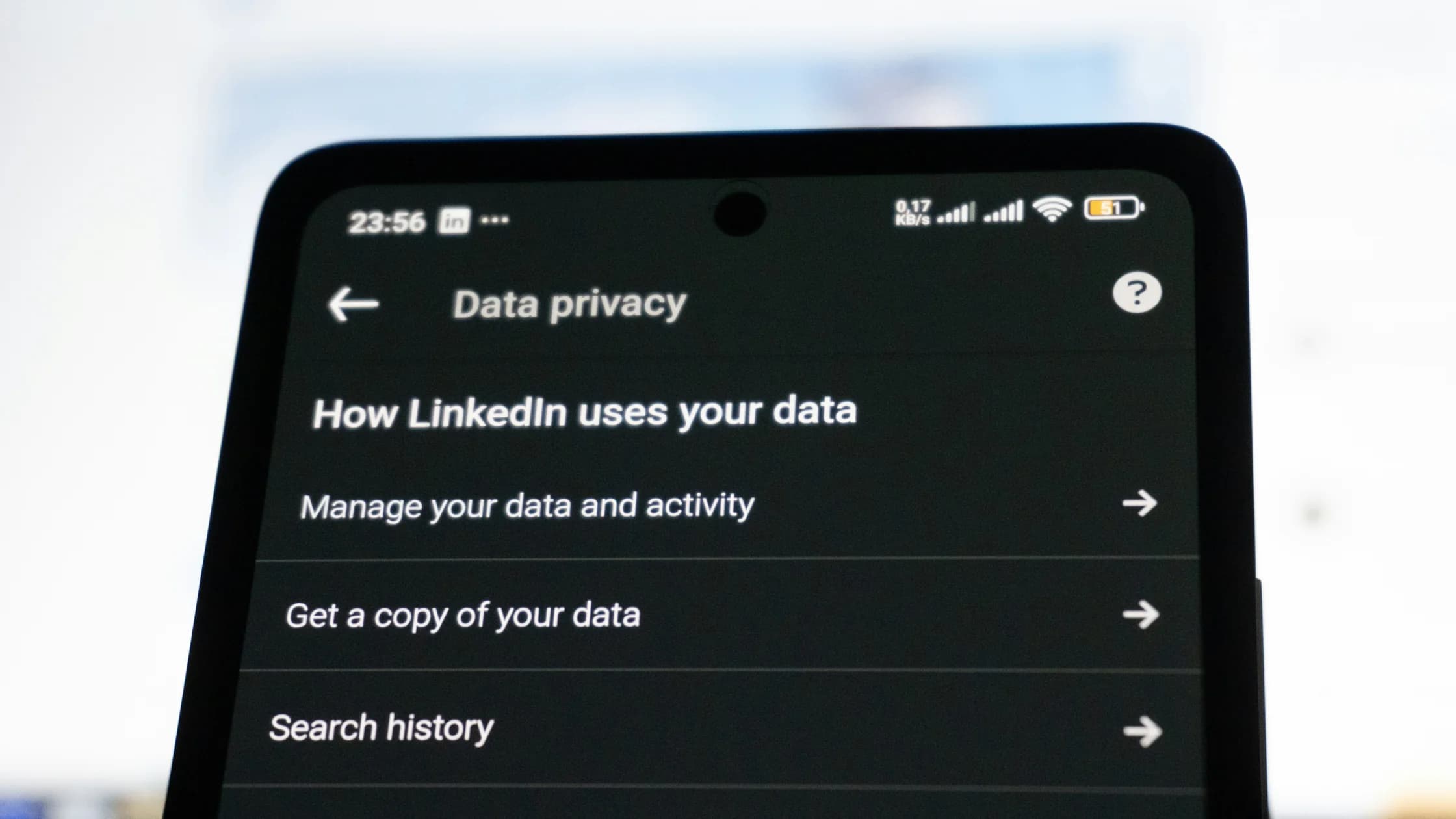

App permission risks are not just about whether a toggle is on or off. The real question is whether an app genuinely needs that data. Location, contacts, photos, camera, microphone, local network access, and notifications can all hand over details of your daily life to people or services that should not have them. The FTC recommends reviewing app permissions and deleting apps you no longer use.[1]
Many privacy leaks do not begin with a hacker breaking into your phone. They begin when you tap "Allow" through every prompt during installation. The broader the permission, the more an app can collect and infer.
If you want to clean up apps, browsers, and network connections together, start with the digital privacy guide.
| Permission | What it can expose | Recommendation |
|---|---|---|
| Location | Frequent places, commute routes, home address | Prefer "while using" |
| Contacts | Relationships, phone numbers, email addresses | Deny by default for non-communication apps |
| Photos | Daily life, ID screenshots, location metadata | Allow selected photos only |
| Microphone | Voice, background sound | Turn it off after use |
| Camera | Face, rooms, documents | Allow only when taking photos or video |
| Local network | Devices on the same Wi-Fi | Deny for apps that do not cast or use LAN features |
| Bluetooth | Nearby devices, location inference | Enable only when needed |
Apple and Android both provide permission management screens, so you can review access by app or by permission category.[2][3]
Location data can reveal where you live, where you work, which hospital you visit, when you leave home, and where you spend weekends. Even without a name attached, long-term location trails can often re-identify a person.
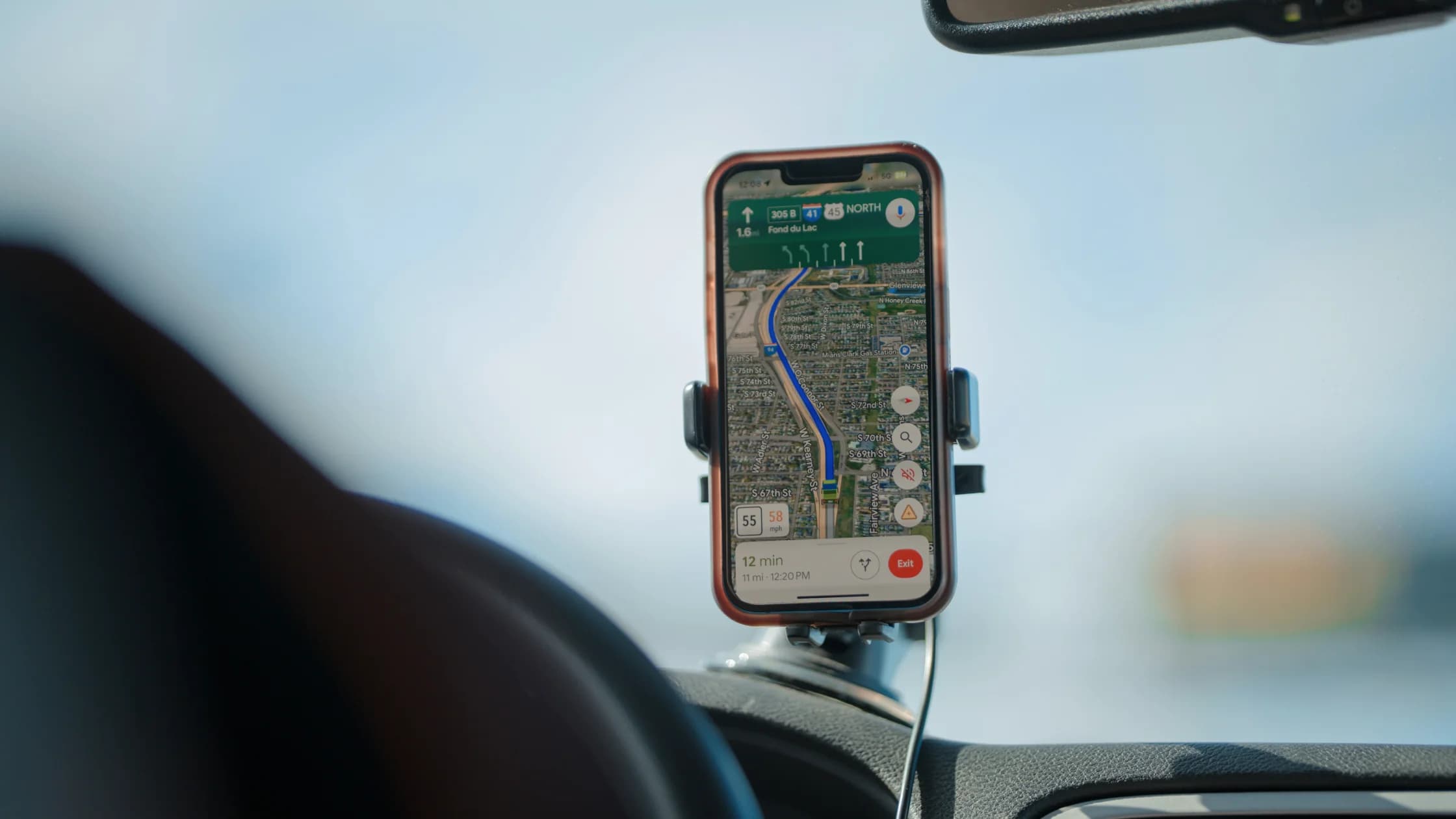
Maps, ride-hailing, and food delivery apps have legitimate reasons to request location access. Flashlight apps, wallpaper apps, calculators, and casual games usually do not. Treat those requests with caution.
iPhone users can continue with the iPhone privacy settings checklist and what precise location means on iPhone.
If even one answer makes you uneasy, deny the request first. A legitimate app should explain why it needs access instead of treating "no permission, no app" as the default.
It may affect specific features, but most apps do not need permanent access. You can deny first and allow temporary access only when needed.
Photos can contain location data, IDs, home details, information about children, and screenshots. They should not be fully open by default.
Only communication, social, and collaboration apps are likely to need contacts. Be cautious when any other app asks for them.
No. Store review lowers risk, but it does not guarantee every app collects only minimal data.
No. A VPN protects the network connection. It does not control system permissions an app already has.
Disclaimer: This article provides general privacy guidance. Specific setting names may vary by operating system version and device brand.
“App Permission Risks: What Are You Really Exposing” is published by AethoVPN; a VPN does not perform the task.
Sources
[1]FTC — How to protect your privacy online: https://consumer.ftc.gov/articles/how-protect-your-privacy-online [2]Apple Support — Control app tracking permissions on iPhone: https://support.apple.com/guide/iphone/control-app-tracking-permissions-iph4f4cbd242/ios [3]Google Android Help — Change app permissions on your Android phone: https://support.google.com/android/answer/9431959
Sources checked 8 May 2026.
Related Articles:
Sign up to experience all premium features at no cost.
*Available only to new users. Each user is limited to one trial.