Start your 3-day free trial
Sign up to experience all premium features at no cost.
*Available only to new users. Each user is limited to one trial.


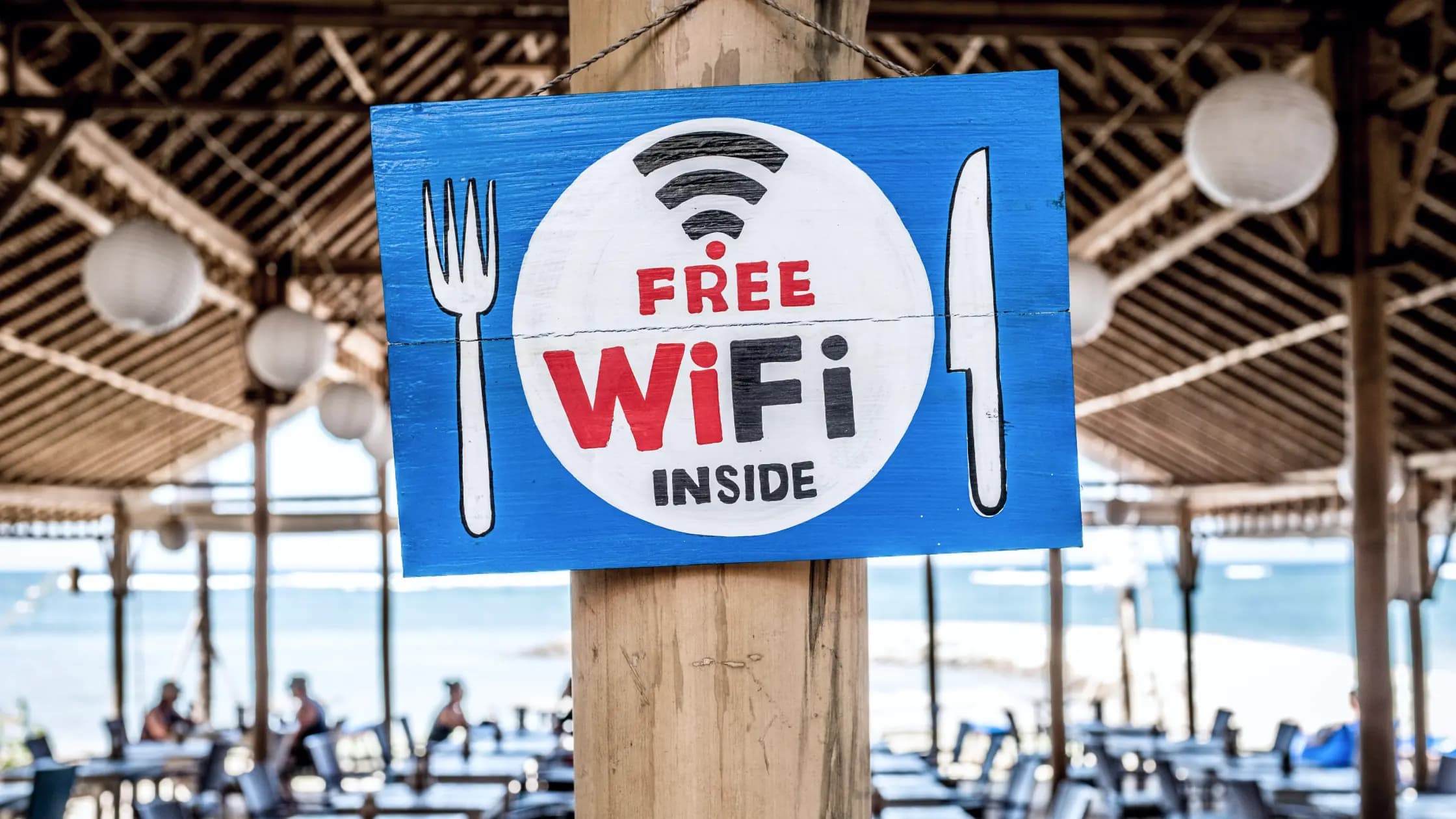
A man-in-the-middle attack happens when an attacker places themselves between you and the website, app, or service you are trying to use. From that position, they may watch, intercept, alter, or redirect communications. Common examples include fake Wi-Fi hotspots, tampered DNS, malicious proxies, weakly encrypted networks, and ignored HTTPS certificate warnings.[1][2]
The risk is that everything can look normal. You think you are on the real site, but if you enter a password on the wrong page or bypass a certificate warning, the attacker may capture your account details, verification codes, or session data.
MITM attacks are network-path risks. For the broader defense model, see our complete online security guide.
| Scenario | What the attacker does | What you may see |
|---|---|---|
| Fake hotspot | Creates a similar Wi-Fi name | Free Wi-Fi, hotel name, cafe name |
| DNS hijacking | Sends a domain to a fake address | A page that looks official but has an odd domain |
| Malicious proxy | Forces traffic through a proxy | Slower access or certificate errors |
| Certificate spoofing | Pushes you to ignore HTTPS warnings | Browser says the connection is not secure |
| LAN sniffing | Watches traffic on the same network | Usually no obvious sign |
For more on open networks, read about public Wi-Fi security risks.
HTTPS uses TLS to encrypt data between your browser and a website, and certificates help verify the site’s identity. Cloudflare explains that HTTPS protects data in transit from being easily read or modified.[1]
That protection depends on valid certificate checks. If your browser says the certificate is invalid, the domain does not match, or the connection is not secure, do not enter usernames or passwords.
If you often travel, read is hotel Wi-Fi safe?.
A VPN protects the connection between your device and the VPN server, making it harder for people on the same Wi-Fi or local network administrators to observe or alter your traffic. It cannot fix fake websites, phishing links, or malicious certificates you install yourself.
The safer stack is: HTTPS + respect certificate warnings + VPN + manual domain checks.
Not always. Fake hotspots, malicious proxies, and LAN-sniffing tools are not especially hard to use.
Yes. Phones are exposed when they join public Wi-Fi, install unknown certificates, or visit fake login pages.
HTTPS is important, but you still need to check domains, respect certificate warnings, and avoid suspicious networks.
No. A VPN protects the connection path. It does not decide whether a page is real.
Managed corporate devices may inspect traffic through company-controlled certificates as part of security policy. On personal devices, do not install unknown certificates casually.
Disclaimer: This article provides general cybersecurity education and does not replace corporate security policies or professional penetration testing advice.
AethoVPN supports the VPN substep in “Man-in-the-middle attack”; service and account rules still apply.
Sources
[1]Cloudflare — What is HTTPS?: https://www.cloudflare.com/learning/ssl/what-is-https/ [2]OWASP — Man-in-the-middle attack: https://owasp.org/www-community/attacks/Manipulator-in-the-middle_attack
Sources checked 9 August 2026.
Related Articles:
Sign up to experience all premium features at no cost.
*Available only to new users. Each user is limited to one trial.