Start your 3-day free trial
Sign up to experience all premium features at no cost.
*Available only to new users. Each user is limited to one trial.
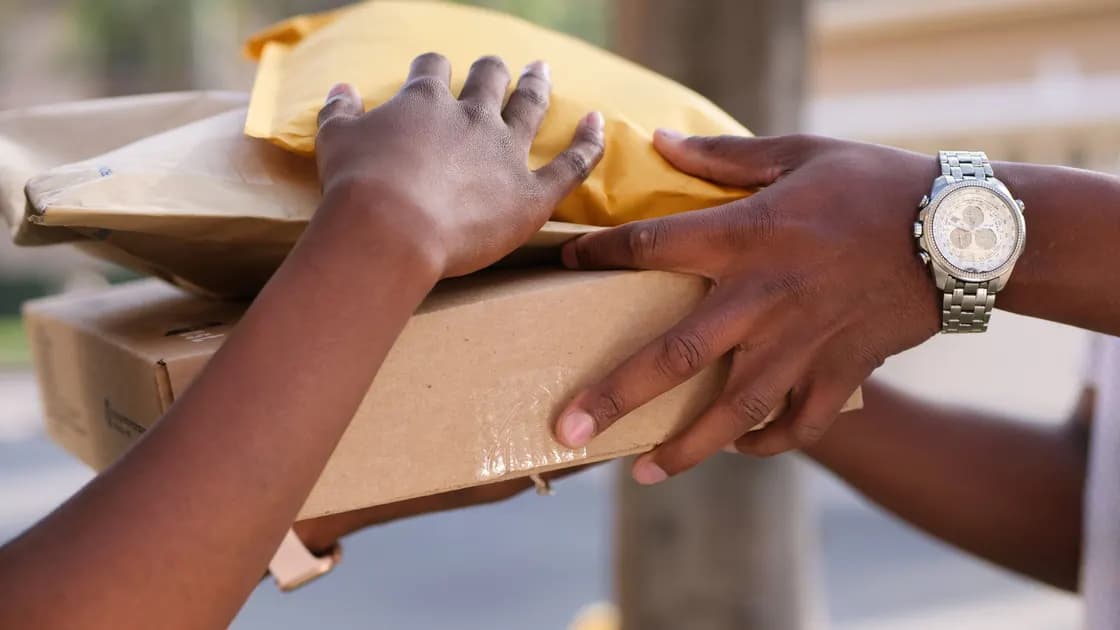

To tell whether a listing is legit or a marketplace scam before you pay, check whether the seller, item, evidence, payment method, and delivery terms all agree. FBI IC3 shopping-fraud alerts and FTC marketplace guidance stress the same habits: verify the seller, pay through protected channels, and act fast if money goes missing. Stop when the seller pushes you off-platform, refuses a reasonable verification step, changes the story, or demands a payment method with little practical dispute protection.
Key Takeaways
- Judge the whole transaction, not one reassuring signal such as an old account or a convincing receipt.
- Keep messages and payment inside the marketplace when its protection depends on doing so.
- Verify ownership, condition, delivery, total cost, and refund terms before sending money.
- If you already paid, preserve evidence and contact the payment provider immediately; do not pay a stranger who promises recovery.
This is a buyer-focused checklist. Seller-side fake-payment notices, overpayments, verification-code requests, and fake checks are separate fraud patterns. The wider online security guide explains why payment decisions need independent verification just like account alerts.
A fraudulent seller lists an item they do not own, misrepresents its condition, takes payment without delivering, sends a different item, or moves the buyer into a payment flow that removes platform protection. The listing may use stolen photographs and copied descriptions from a real seller.
The FTC advises buyers to research the seller and item, understand the marketplace's protections, and use safer payment methods. It also warns against paying outside the marketplace when that removes the platform's ability to help.[1]
Not every poor transaction is fraud. Shipping delays, misunderstandings, undisclosed wear, and ordinary contract disputes can happen without a fake identity. The pre-payment goal is to identify contradictions and avoid committing money until the essential facts are independently supported.
Treat clusters of signals as more important than any single clue.
| Warning sign | What it may indicate | Safer response |
|---|---|---|
| Price is far below comparable listings | Stolen photos, nonexistent goods, hidden damage, or a deposit trap | Compare several recent listings and ask why the price differs |
| Seller immediately moves to private messages | Attempt to bypass moderation or platform records | Keep the conversation in the marketplace |
| Payment must use gift cards, crypto, wire transfer, or “friends and family” | Weak or unsuitable dispute path | Use a protected method allowed by the platform |
| Seller refuses a current photo or live inspection | They may not possess the item | Request specific proof that cannot be copied from the listing |
| Story, location, or delivery terms keep changing | The listing may be assembled from stolen details | Pause and reconcile every contradiction |
| A courier, escrow, or payment email asks for extra fees | The service or notification may be fake | Open the real service independently and inspect the transaction |
| Seller creates a sudden deadline | Pressure prevents verification | Let the deal go rather than skip a control |
| Account has reviews but recent behavior is inconsistent | The account could be compromised or repurposed | Examine review dates, item categories, language, and recent changes |
Account age and reviews do not prove this listing is genuine.
Start with evidence that relates to this exact item and transaction.
A custom photo is useful but not conclusive. It can still be edited or borrowed from another conversation. Combine it with live inspection, platform records, independent authentication, and a protected payment path according to the item's value.
Do not send identity documents merely to “prove you are a serious buyer.” A seller normally needs only the information required by the platform and carrier. If age, licensing, or identity verification is legitimately required, use the marketplace's documented process rather than sending files in chat.
No payment method guarantees a good transaction. The practical question is whether the method fits a purchase and provides a documented way to dispute unauthorized, missing, or misrepresented goods.
| Method | Before paying | Main limitation |
|---|---|---|
| Marketplace checkout | Confirm the item and messages remain eligible for platform protection | Protection has deadlines, exclusions, and evidence rules |
| Credit card | Check the merchant and dispute process with the issuer | A chargeback is not guaranteed and is not a substitute for verification |
| Bank transfer | Verify the recipient and ask the bank about recall options | Transfers can settle quickly and may be difficult to recover |
| Cash at pickup | Inspect the item in a safe public place before handing over money | Limited help after the parties separate |
| Gift card or cryptocurrency | Treat a seller's demand as a major warning sign | Transfers are often irreversible and lack ordinary purchase disputes |
| Informal personal-payment mode | Confirm whether commercial purchases are permitted or protected | Misusing a personal mode may remove buyer protection |
Never rely on a screenshot of payment, escrow, shipping, or insurance status. Open the real marketplace or provider yourself. A message that resembles a fake invoice can invent a fee or redirect payment to a different recipient.
Keep the order inside the marketplace and confirm the shipping address before paying. Read the protection rules for tracked delivery, signature requirements, excluded item categories, inspection periods, and claim deadlines.
Ask the seller to photograph the item's condition and serial or distinguishing marks without exposing unnecessary personal data. Save the listing and agreed contents because descriptions can change or disappear after payment. When the parcel arrives, document the unopened package and the condition if the item is valuable or damage is plausible.
Tracking alone does not prove the correct item was sent to you. Fraud can involve an unrelated parcel, an incorrect address in the same area, or a low-value substitute. Compare the carrier record, package, item, and transaction rather than treating one “delivered” status as final proof.
Meet during daylight in a public place appropriate for the item, or use a designated safe-exchange area where available. Tell someone where you are going, keep control of your payment method and device, and do not enter a private location because the seller changes plans at the last minute.
Inspect and test the item before paying. Confirm identifiers, activation locks, ownership restrictions, major functions, included accessories, and signs of damage. For vehicles, jewelry, collectibles, or other high-value goods, use the relevant independent inspection or ownership-record process rather than improvising at the meeting.
Do not let urgency turn inspection into theater. If the seller prevents a reasonable test, adds a deposit, substitutes another item, or brings an unexpected person who pressures you, leave without paying.
Act quickly and preserve records. FTC guidance recommends contacting the company used to send money, explaining that the payment was fraudulent, and asking whether it can be reversed.[2]
The FBI's shopping-fraud guidance likewise recommends using reputable payment channels and contacting the financial institution quickly after fraud.[3] A bank may be able to attempt a recall, but timing, payment rail, evidence, and local rules affect the outcome.
If your first request is denied, ask for the written reason and the formal appeal path. The bank scam refund guide can help you organize facts, while the recovery scam guide explains why a private stranger cannot guarantee the return of stolen funds.
Before paying, require five answers:
If one answer depends only on the seller's urgency or a screenshot they supplied, the transaction is not ready. A missed bargain is cheaper than a payment you cannot verify.
An older account can still be compromised, sold, or repurposed. Compare recent listings, language, item categories, review dates, payment recipient, and verification behavior rather than relying on account age alone.
It can reveal copied photographs, but the absence of a match does not prove ownership. Use it with current custom evidence, inspection, account consistency, and protected payment.
A deposit creates risk before inspection. If the seller demands one, confirm the platform's rules, seller identity, written terms, refund conditions, and payment protection. Walk away if the deposit uses an irreversible method or avoids the marketplace.
Cash avoids some online payment tricks but offers little recourse after the exchange. Inspect the item first, meet safely, confirm ownership where relevant, and pay only after the agreed checks pass.
Do not trust a link or email they provide. Open the real service independently, confirm that it supports this transaction, and verify the order inside your own account. Fake escrow and courier notices can invent insurance or release fees.
No. Programs have eligibility rules, excluded goods, evidence requirements, and deadlines. Read the policy before payment and keep the transaction inside the required workflow.
No. A VPN may protect network traffic in suitable contexts, but it cannot prove that a seller owns an item, make an irreversible payment disputable, or guarantee delivery.
Seller scams commonly use fake payment notices, overpayments, checks, shipping requests, and verification-code theft. Do not release an item based on an email or screenshot; confirm funds and order status inside the real payment or marketplace account.
Disclaimer: This article provides general cybersecurity and consumer information, not legal or financial advice. Marketplace rules, payment protections, reporting routes, and recovery rights vary by provider and location.
Sources:
Sources checked 4 October 2026.
Related articles:
Sign up to experience all premium features at no cost.
*Available only to new users. Each user is limited to one trial.