Start your 3-day free trial
Sign up to experience all premium features at no cost.
*Available only to new users. Each user is limited to one trial.
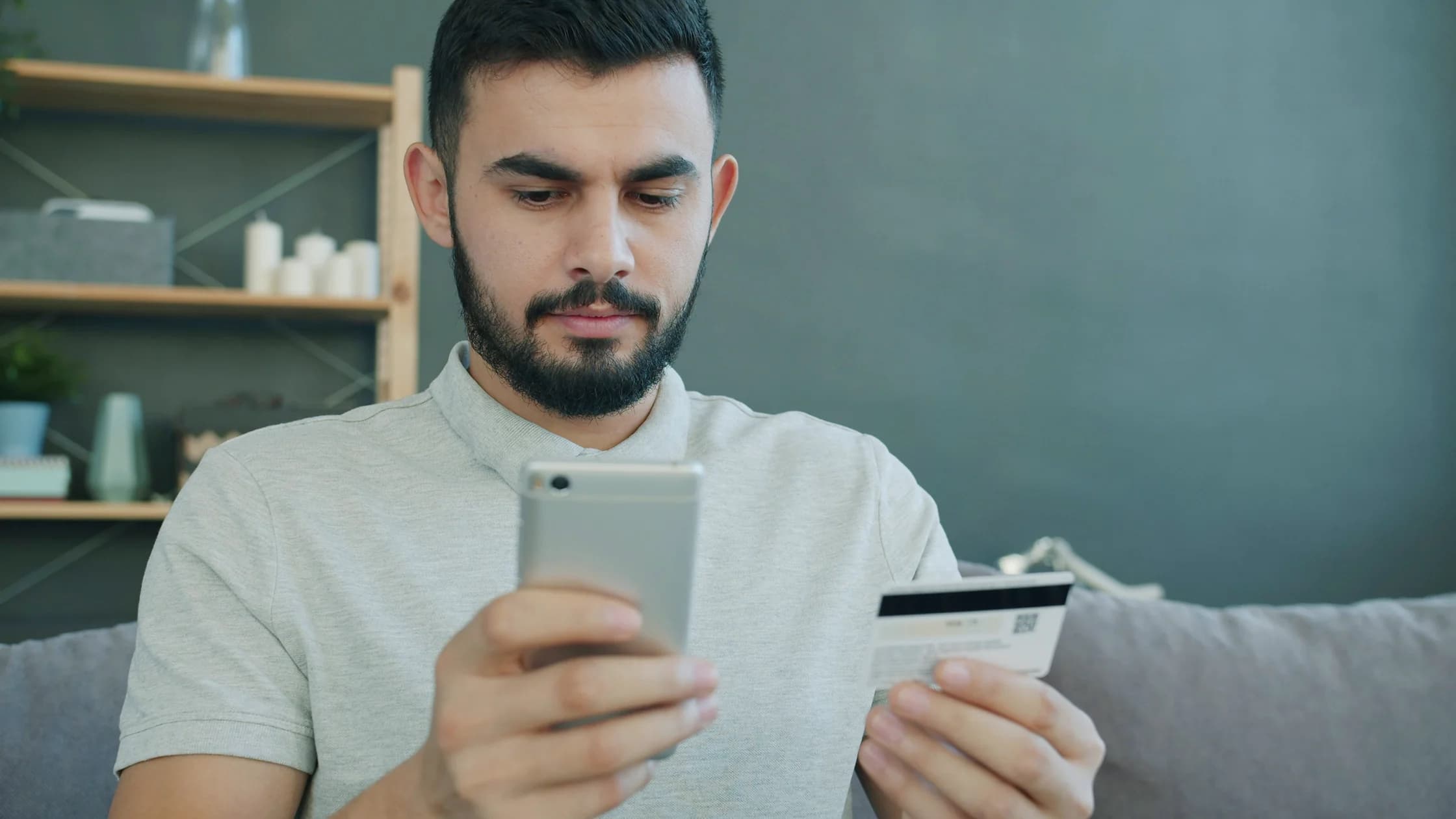

If you are asking about the safest way to pay online, the short answer is this: for most everyday consumers, a credit card is usually still the safest default for online shopping because dispute and fraud protections are more mature. If you care more about exposing less card data, digital wallets and virtual cards can be better. Gift cards, cryptocurrency, and wire-style payments are usually the worst fit for unfamiliar sellers.[1][2][3]
The real comparison is not simply “can I pay?” It is:
Use the digital privacy guide as the wider checklist: it connects this issue to accounts, devices, identifiers, and data-broker exposure.
Key Takeaways
- Credit cards usually provide the strongest protection for online payments, especially with unfamiliar merchants and larger orders.[1]
- Digital wallets and virtual cards reduce card-number exposure, but they do not automatically prevent scams.[1][4]
- P2P payment apps are useful for people you know, not for paying unknown sellers.[2][5]
- Gift cards, cryptocurrency, and wire transfers are often the hardest to recover once sent.[1][6]
- Even a safer payment method cannot stop you from voluntarily paying a scammer, so merchant and link verification still come first.[1][7]
When people think about payment safety, they often look for https, verification codes, or fingerprint approval. Those matter, but FTC consumer guidance emphasizes something else: use payment methods with stronger dispute handling when possible.[1]
That is because many losses do not come from hackers breaking the payment rail. They come from fake sellers, fake support agents, fake refund pages, or items that never ship. In those moments, the method that lets you dispute, freeze, or trace the transaction matters.
| Payment method | Safety view | Best for |
|---|---|---|
| Credit card | Very high | Unfamiliar merchants, large orders, cross-border shopping |
| Digital wallet | High | Trusted platforms, frequent small payments |
| Virtual card | High | First orders, trials, avoiding exposure of your main card |
| Debit card | Medium | Familiar merchants and controlled amounts |
| Bank transfer | Medium-low | Highly trusted recipients only |
| P2P payment app | Medium-low | People you know, not unknown sellers |
| Gift card / cryptocurrency / wire transfer | Low | Almost never ideal for ordinary shopping |
This is not a legal classification. It is a practical ranking based on public consumer-protection information. The core question is: if something goes wrong, which method gives you a realistic path to dispute or recover? That is my synthesis of the sources.[1][2][5][6]
FTC online shopping advice is direct: use a credit card when you can. If you are charged twice, do not receive the item, or receive the wrong item, you can usually dispute the charge.[1]
Credit cards are strong because:
If you are ordering from a website for the first time, buying something expensive, or waiting for a longer delivery window, a credit card is usually the most stable choice.
Digital wallets such as Apple Pay and Google Pay reduce the need to enter physical card details into every merchant site. For lowering payment-data exposure, that helps.
But a wallet does not identify fake merchants for you. If you willingly pay on a scam page, the wallet may still process the payment.
So treat it as exposure reduction, not as automatic fraud detection.[1][4]
If your bank or card issuer supports virtual cards, they can be extremely practical because they separate your real main card from outside merchants.
They are especially useful for:
The logic is not that virtual cards are magically safer. It is that if a number leaks, the blast radius can be smaller. That is my practical read of how the tool works.
The issue with debit cards is not that they cannot work. It is that they are closer to your deposit account. If something goes wrong, you may feel the cash-flow pressure more directly while the issue is investigated.
For familiar platforms and small amounts, debit cards can be fine. For unknown sellers or larger orders, I would not make them the first choice.
This includes common transfer-style payment apps. The CFPB has warned that balances in payment apps may not have the same protections as traditional bank accounts, and many of these products are built for convenience, not buyer disputes with strangers.[2][5]
FTC warnings also repeat a simple pattern: scammers like payment apps, gift cards, cryptocurrency, and other methods that are harder to reverse.[1][6]
Short version:
If you are being pushed by “refund support,” “pay first for a side job,” or “transfer before shipping” scripts, read Can you get scammed bank money back?.
A bank transfer is not weak security by itself. The problem is that it has low tolerance for “I sent money to the wrong person.”
It is better suited when:
If the other person is rushing you to transfer immediately, gives only a bank account, and refuses normal transaction systems, treat that as a risk signal.
This section can save you money. The FTC clearly warns that legitimate businesses and government agencies will not demand payment by gift card, cryptocurrency, MoneyGram, or Western Union.[1][6]
Why?
If someone insists on these methods, stop comparing discounts and first ask whether the payment method is the scam.
If you arrived through an unknown text, DM, pop-up, or ad, raise the risk level.[7]
“Last 10 minutes,” “your account will freeze,” and “pay tax or delivery now” are classic pressure patterns.
For example, the platform supports checkout, but the seller wants a chat app, private QR code, or bank account instead.
Order pages, seller promises, receipts, and chat records should be easy to save.
If the answer is no, do not use a hard-to-recover payment method.
Start with a credit card, then consider a digital wallet or virtual card.
Digital wallets are convenient, but still verify the platform and recipient.
Do not use payment app balances, gift cards, cryptocurrency, or bank transfers.
Use a virtual card when available to reduce future cleanup.
For most ordinary online shopping, it is usually the safest default because dispute handling and fraud protections are more mature.[1]
They often reduce direct card exposure to merchants, but that does not mean their dispute handling is always stronger than a credit card's.
Yes, but it is better for familiar merchants and controlled amounts. For unknown sellers, a credit card is usually safer.
They are better for people you know. With unknown sellers, private transactions, and chat-app redirects, risk is usually higher.[2][5]
Because they are usually harder to recover and easier for scammers to move quickly.[1][6]
https mean a website is safe to pay on?No. https means the connection is encrypted. It does not prove the merchant is trustworthy. The FTC warns about this too.[1]
Disclaimer
This article is for general consumer safety education only and does not constitute legal, banking, or case-specific dispute advice. Dispute rules vary by card issuer, payment platform, and jurisdiction.
This guide comes from AethoVPN; VPN routing does not carry out the checks required for safest way to pay online.
Sources
Sources checked 8 May 2026.
Related Articles:
Sign up to experience all premium features at no cost.
*Available only to new users. Each user is limited to one trial.