Start your 3-day free trial
Sign up to experience all premium features at no cost.
*Available only to new users. Each user is limited to one trial.
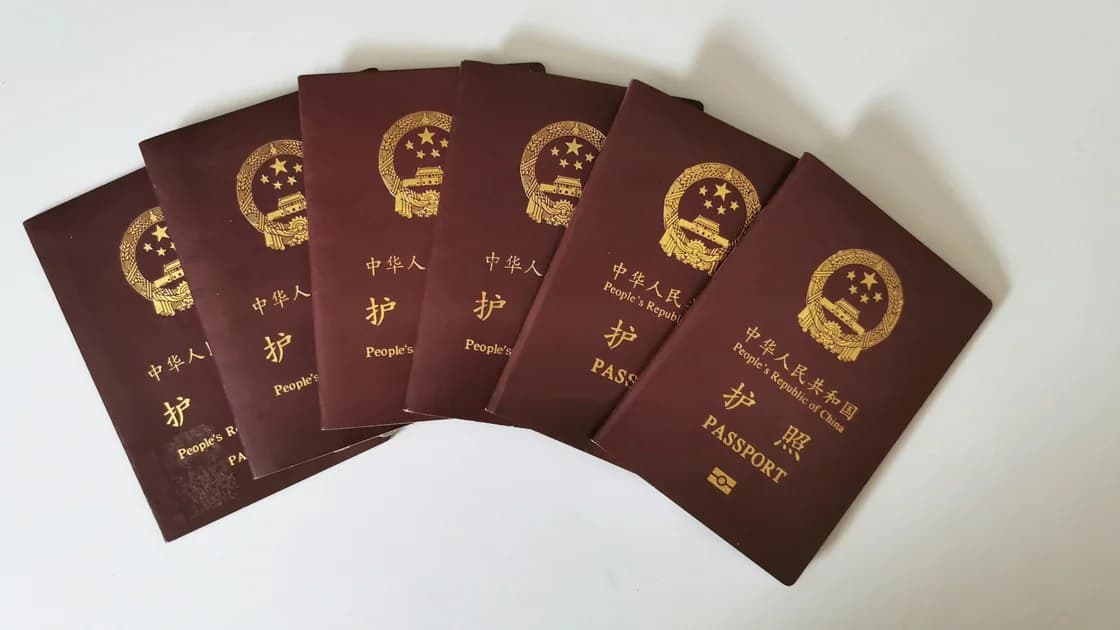

If you have a lost Chinese passport abroad, first get to a safe place, report the loss through the local channel, and contact the responsible Chinese embassy or consulate. The mission can assess whether you should apply for a replacement passport or a travel document, but you must also resolve the destination country's visa, residence, or departure record separately.
Key Takeaways:
- A local police report is incident evidence. The passport becomes unusable once the Chinese mission accepts the replacement application and declares the lost passport invalid; that action cannot be reversed.[2]
- A short-term visitor urgently returning to China may follow a different document path from a resident, student, or worker staying abroad.[2]
- A Chinese replacement document does not automatically repair a foreign visa, residence permit, or immigration record.
- Keep police, consular, airline, insurer, and immigration conversations in separate records.
For broader trip preparation, keep this recovery plan alongside the international travel pillar.
Move away from theft, crowd, or transport risk before handling paperwork. Check the immediate area without exposing other documents, then write down when and where you last had the passport. If the passport was stolen with a phone or wallet, separate the document response from the lost-phone account recovery sequence.
Report the loss to local police or the authority used at that destination. Ask what record, reference number, or written confirmation is available. A local report may support consular, immigration, airline, insurer, or accommodation inquiries, but it is not itself a replacement travel document.
Do not confuse that local incident report with the Chinese mission's invalidation step. The official consular guidance says the mission declares the lost passport invalid when it accepts a replacement application. If the intact passport is found before that application is accepted, contact the mission before continuing; once declared invalid, the passport and visas in it cannot be restored for use.[2]
Contact the Chinese embassy or consulate responsible for your location using contact details found independently on an official page. Do not trust a caller, sponsored result, or message that demands a transfer to "unlock" consular assistance; use the verification order in the consular scam guide.
The Ministry of Foreign Affairs says a Chinese citizen whose passport is lost, stolen, or unusable abroad may apply to a Chinese mission for a replacement passport or travel document.[1] The correct path depends on why you are abroad, where you need to travel next, and whether there is time for a full passport replacement.
| Situation | Likely discussion with the mission | Separate issue to resolve |
|---|---|---|
| Short trip and urgent return to China | Whether an emergency travel document is appropriate | Local departure permission and carrier acceptance |
| Resident, student, or worker remaining abroad | Replacement-passport route and local mission requirements | Transfer or reissue of residence, study, or work status |
| Traveler continuing to another country | Whether the new document supports the proposed route | Visa and transit eligibility for every country on that route |
| Passport found after the mission accepted a replacement application | Do not use the invalidated passport | Continue the replacement process and follow disposal instructions |
The official passport and travel-document page distinguishes short-term travelers who urgently need to return from people residing, studying, or working locally.[2] This guide intentionally does not reproduce app screens or menu labels: use the current mission notice, and contact the mission if you cannot use the standard application channel or have an emergency.
A new Chinese passport or travel document proves a travel-document identity; it does not rewrite another country's database. Ask the destination's immigration authority how to associate the new document with your entry record, visa, residence permit, or departure permission. Ask the airline whether it needs additional evidence before check-in.
Do not assume a photo of the lost passport, a police report, or a consular receipt is enough to board. Likewise, do not book a complicated connection until each transit country and the carrier have confirmed the documents required for that route.
If your visa was physically in the lost passport, consult the issuing authority about whether it remains valid and what evidence or replacement process applies. The Chinese mission cannot decide the validity of a foreign visa.
Follow the responsible mission's current list rather than a generic checklist. Useful records commonly include identity details, a copy or number of the lost passport if available, the local report, travel itinerary, lawful-stay evidence, recent photographs, and a way for the mission to contact you. Do not send full identity files to an unverified email address.
If your mainland number receives account or identity messages, keep it available where possible and use the mainland-number continuity guide. If cards or cash were lost too, build a separate payment route using the payment backup guide.
The Ministry's consular-protection guide also recommends preserving important document copies and using official assistance channels during overseas emergencies.[3] Copies help establish facts; they do not become travel documents.
If instructions conflict, ask each authority to clarify only the part it owns. The consulate owns the Chinese travel-document process; local immigration owns local status and departure records; the carrier owns its document check but cannot guarantee admission at the border.
A local police report and consular invalidation are different steps. If the intact passport is found before the mission accepts a replacement application, contact the mission for instructions. Once the mission accepts replacement and declares it invalid, it cannot be used again.[2]
No. It is evidence of the incident, not a passport or travel document. You still need the document and immigration steps required for your route.
No. The appropriate route differs between a short-term visitor urgently returning and a person living, studying, or working abroad. Follow the responsible mission's assessment.[2]
Not automatically. Ask the country that issued the visa or residence permission how it should be transferred, reissued, or recorded against the new document.
No. The mission issues Chinese travel documents; the carrier applies its document checks, and border authorities make immigration decisions. Confirm each layer separately.
Deal with safety and the passport first, then protect the primary email, phone number, payment methods, and high-value accounts. Keep separate incident references so one recovery channel does not become the only proof for another.
Disclaimer: This article provides general travel and document-recovery information, not legal advice. Passport, visa, residence, carrier, transit, and departure requirements can change. Follow the current instructions of the responsible Chinese mission and the authorities for your location and route.
A VPN is not a substitute for the relevant checks.
Sources:
Sources checked 25 August 2026.
Related Articles:
Sign up to experience all premium features at no cost.
*Available only to new users. Each user is limited to one trial.