Start your 3-day free trial
Sign up to experience all premium features at no cost.
*Available only to new users. Each user is limited to one trial.

To set up utilities after moving abroad, first use the lease and local rules to establish who is responsible for each service. List electricity, gas, water, wastewater, rubbish, district or central heating, and any building-managed service; identify the current supplier or network operator; record the move-in condition and meter readings; then open or transfer accounts and audit the first bill.
Key Takeaways:
- Do not assume “utilities included” covers every service, usage level, fee, or account.
- Separate the supplier that bills you from the network or municipal operator that handles pipes, wires, outages, or leaks.
- Photograph meters and the property condition at handover without touching sealed equipment.
- Use verified official channels for account opening, emergency numbers, and payment instructions.
- Check the first bill against the start date, meter identifier, opening reading, tariff, deposit, taxes, and previous-occupant balance.
Internet is a separate setup project; use the home internet guide rather than treating broadband as another meter. Verify the tenancy and authority to occupy the home with the apartment checklist before opening accounts.
Read the signed lease, inventory, building rules, and handover record. Ask the landlord or agent to explain ambiguous terms in writing. “Included” might mean the landlord pays a fixed service, the tenant reimburses actual usage, a building charge covers shared areas, or an allowance applies before extra billing. Do not rely on a listing or verbal promise when the contract says something else.
Build a responsibility table:
| Service | Possible responsible party | Evidence to collect |
|---|---|---|
| Electricity | Tenant, landlord, building, or prepaid account holder | Lease clause, meter number, latest bill |
| Gas | Tenant, landlord, or no gas service | Appliance list, meter, supplier record |
| Water and wastewater | Tenant, owner, municipality, or building | Lease, municipal account, meter status |
| Rubbish and recycling | Municipality, building, landlord, or tenant | Collection calendar and fee rule |
| District or central heating | Building, supplier, landlord, or metered unit | Building statement and allocation method |
| Shared services | Owner association or management | Service-charge statement and inclusions |
Ofgem advises renters in Great Britain to check the tenancy or ask the landlord who the energy supplier is and who pays the bills.[1] It also describes supplier-switching choices under British rules. Use the first step as a useful process example, but do not assume another country gives tenants the same supplier choice or switching rights.
If responsibility remains unclear, do not open an account in another person's name or agree to an unofficial cash arrangement. Ask the local consumer body, utility, municipality, tenant adviser, or qualified legal professional what documents control.
A property may already be connected even though you do not know the account or supplier. Ask for a recent redacted bill, meter-point reference, account-transfer form, or official lookup method. Match the service address and meter serial number; do not rely on a company logo on an old appliance sticker.
Keep these roles separate:
Ofgem explains this distinction for Great Britain: the supplier provides energy, while the network operator is responsible for the pipes and wires.[2] Other countries organize utilities differently, so use local official terminology and contacts.
Verify domains and phone numbers independently. A note left in the property, a door-to-door representative, or a search advertisement is not sufficient. Never give payment details or an identity document to someone who cannot connect the request to the official organization and service address.
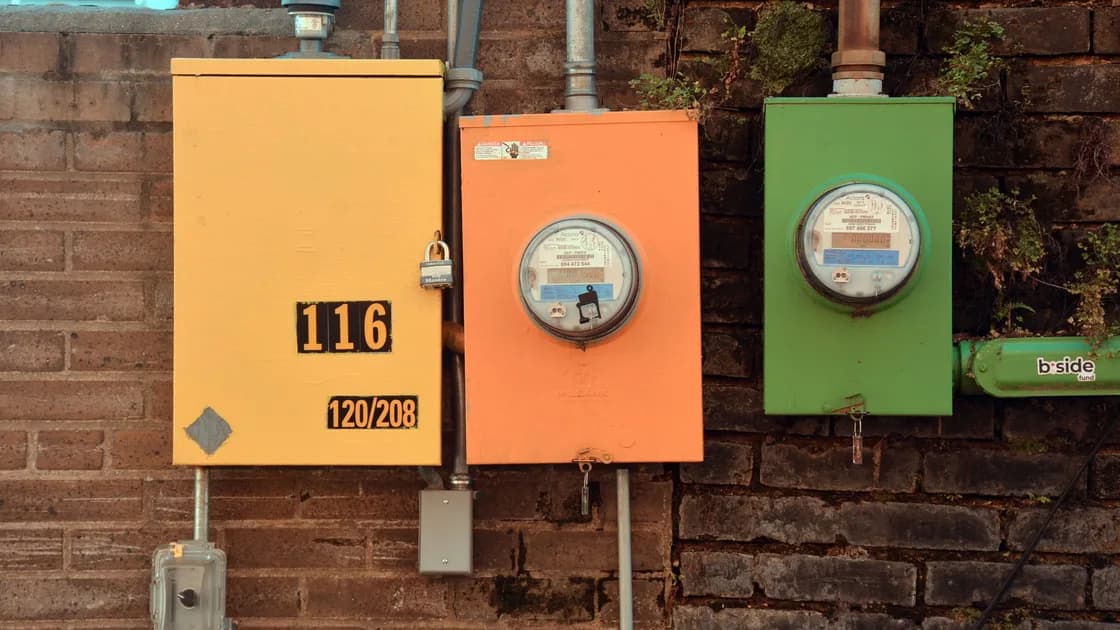
At handover, photograph each accessible meter, the full meter face, serial number, reading, unit, tariff register where relevant, and the wider location. Include a timestamp in your move-in record and send the agreed readings through the landlord's or utility's official channel. Keep the original files private because serial numbers and location details can expose account information.
Record whether a meter is:
Do not remove seals, open a meter enclosure, press unfamiliar controls, reconnect supply, turn valves, or attempt electrical or gas work. If you smell gas, see exposed wiring, find water near electricity, hear arcing, or suspect a leak, leave the unsafe area and use the local verified emergency channel. Do not rely on a generic number from another country.
For water, Ofwat's metering guidance explains meter-based billing in England and Wales.[3] It is useful as an example of why readings and meter status affect bills, but it does not define water-meter rights, installation, or charging elsewhere.
Contact the confirmed supplier, municipality, or building office and state the exact move-in date. Ask whether the process is a new account, name transfer, tenancy change, service activation, or continuation of an existing supply. The label matters because it can affect documents and billing start.
Commonly requested information can include:
Provide only what the official process requires and use its secure channel. If you lack a local bank account, tax number, credit history, or accepted ID, ask for documented alternatives. Do not pay a “fixer” who promises to bypass identity or deposit rules.
Obtain written confirmation of the account holder, service address, meter identifier, start date, tariff or charging basis, deposit, billing frequency, payment method, and emergency contact. Note whether the first reading was accepted or replaced by an estimate.
Ask the landlord, manager, or qualified technician to identify the main water shutoff, electrical consumer unit or breaker panel, gas shutoff if present, district-heating controls, fire alarms, and building emergency procedure. Knowing where a control is does not authorize you to operate it in every event.
Save separate verified contacts for billing, outages, gas emergencies, water leaks, building maintenance, and municipal rubbish. The supplier may not be the right party for a downed wire, street outage, network leak, or building pipe. If the official operator provides a priority or accessibility register, ask about eligibility without assuming the same scheme exists everywhere.
Never bypass a prepaid meter, bridge a breaker, break a seal, alter a regulator, relight unfamiliar gas equipment, or change wiring to restore service. Use an authorized professional and the property owner's approval where required.
The first bill is your best chance to catch a bad handover. Compare it with your account confirmation and photographs.
Check:
Do not simply deduct a previous occupant's debt from your payment. Report the mismatch through the official process and provide the lease, handover, move-in reading, and account confirmation requested. Keep personal details of the former occupant out of your correspondence unless the utility lawfully needs them.
If the bill is estimated, submit an actual reading only if you can safely access and identify the correct meter. Ask how the correction will appear and retain the submission receipt. Compare the next bill to confirm the change was applied.
Utilities depend on other household records. Make sure the service address uses the same local format as your lease and building directory. Once it is confirmed, use the mail and package guide to decide which bills should arrive physically and which should be paperless.
Keep a private household file containing the lease, inventory, opening readings, account confirmations, first bills, deposit receipts, emergency contacts, and move-out instructions. Record notice periods and final-reading procedures now, not only when you leave.
No. The lease, ownership structure, building arrangements, local law, and service type determine responsibility. Confirm each service separately in writing.
Not everywhere. Some markets allow choice, others use a designated supplier or public utility, and a building or lease can affect the process. Check the local regulator and contract.
Ask the landlord, building manager, or utility for authorized access or a documented reading. Do not force a cabinet or use a neighbor's meter reading.
Do not assume the debt is yours. Contact the official utility, show your move-in date and account evidence, and follow the local dispute process. Emergency continuity rules vary.
Use the source the utility accepts. A household display may show consumption without being the legal meter or correct register. Photograph the actual identified meter where safely accessible.
Check whether the supplier, network operator, municipality, or building is responsible for that service and location. Save verified billing and emergency contacts separately.
Usually broadband follows a different provider, contract, installation, and equipment process. Use the dedicated home-internet guide and do not assume a utility account activates it.
Sources checked 28 August 2026.
This article provides general move-in information, not legal, electrical, gas, plumbing, or financial advice. Responsibility, account requirements, supplier choice, safety procedures, billing, and consumer rights vary by property, provider, and jurisdiction.
Sign up to experience all premium features at no cost.
*Available only to new users. Each user is limited to one trial.