Start your 3-day free trial
Sign up to experience all premium features at no cost.
*Available only to new users. Each user is limited to one trial.
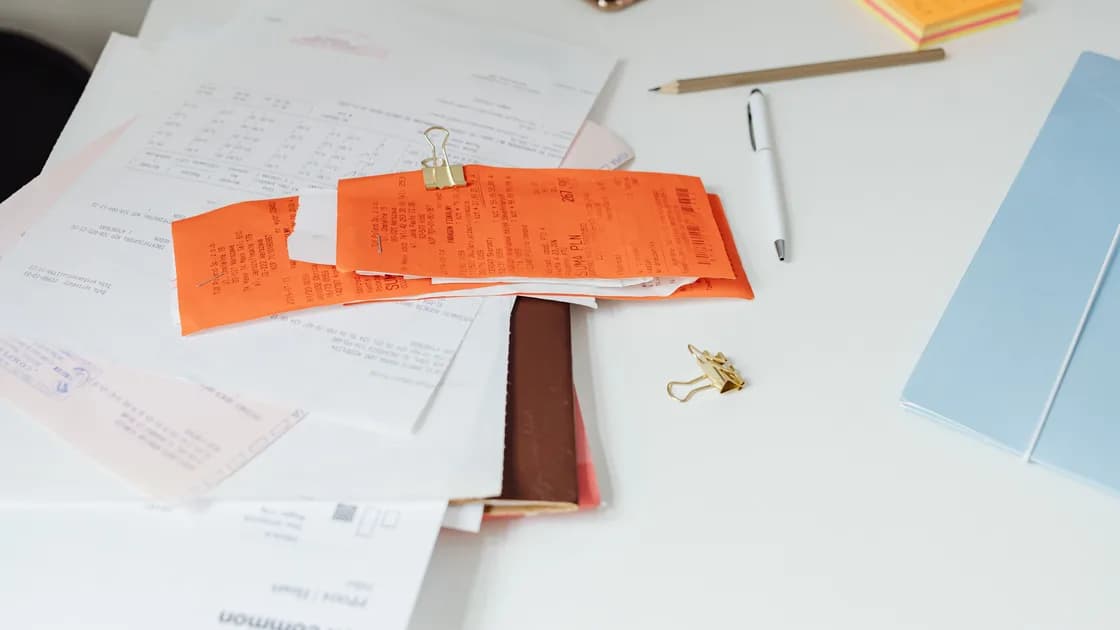

When a VPN subscription is active but the app says it expired, two records may disagree: the billing system says payment or renewal succeeded, while the VPN service has not granted the expected entitlement to the account or client. The app may also be showing a stale configuration, the wrong account, or a third-party client's cached status.
Do not buy the plan again immediately. First identify where the subscription was purchased, which VPN account should receive it, and whether the message comes from the VPN provider's app or a separate client. Payment evidence is important, but payment alone does not prove that service entitlement reached the correct identity.
Key Takeaways:
- Find the authoritative receipt in the provider, Apple, or Google account.
- Verify the exact VPN and store identities, then check the provider portal.
- Refresh or restore once through the official app, and preserve a redacted order record.
- Contact the billing source for charge problems and the VPN provider for missing service access.
For background, see the complete VPN guide, VPN connection troubleshooting, and the limits of a lifetime VPN.
A VPN plan may be purchased directly from the provider's website, through Apple's App Store, through Google Play, or through an approved reseller. Those systems use different order identifiers, renewal rules, and restoration paths. Open the official purchase history or receipt and record the seller, product, status, date, and partially redacted order ID.
Do not infer the seller from the device type. An iPhone app can use an account originally purchased on the web, and a web account may not be linked to an App Store purchase automatically. AethoVPN uses one continue-with-email verification-code flow for new and returning users alike, so enter the exact address that holds the membership; a different address starts a separate account without it. Use current official records rather than an old screenshot or search snippet.[4]
If the charge is pending, reversed, refunded, disputed, or attached to a different product, stop treating it as an active entitlement. Ask the billing source about the transaction. Do not submit another payment while the first state is unresolved.
Write down the masked email or sign-in method shown in the VPN app and provider portal. Then check the Apple ID or Google account that owns the purchase. Family sharing, Hide My Email, work and personal profiles, and “Continue with” buttons can create identities that look related but are not the same service account.
Sign in to the official provider portal with the original method. If you can see the active plan there but the app is expired, the likely gap is client session, configuration, or device entitlement refresh. If the portal shows no plan, determine whether the store purchase was ever linked to that provider identity.
Do not create additional accounts to experiment. That can spread receipts and device records across identities. If the app instead keeps returning to authentication before it displays any account, use VPN App Keeps Asking You to Sign In.
A receipt records a transaction. Service entitlement answers a different question: should this authenticated account have VPN access now? Apple provides server-side subscription status information so a service can determine entitlement while accounting for renewal and billing states.[2] A provider may also maintain its own membership and device records.
This distinction explains why “paid” and “active in the app” can briefly disagree. A receipt may be valid but associated with another account; a renewal notification may be delayed; a refund or billing retry may change access; or the client may not have fetched the latest server decision.
Do not edit a receipt, change device time, or claim a different purchase date. Keep the original evidence and let the correct system reconcile it. A provider can investigate entitlement only when it receives the real, redacted order identifier and account reference.
The provider portal is often the clearest view of membership, device slots, and configuration delivery. Confirm the plan name and status, then check whether the current device is registered or whether an old device must be removed through an official control.
Some VPN services provide a configuration file or subscription link that a first-party or third-party client imports. That configuration can expire, be rotated, or remain cached even while the membership is valid. Refresh it only from the official portal. Treat the file, QR code, or subscription URL like a credential; never paste it into a public ticket.
For an AethoVPN membership, compare the plan tier with the device that shows the warning before assuming the payment lapsed. Standard covers one mobile device, Pro covers two desktop and two mobile devices, and Premium covers eight devices of any type, with tablets counted as mobile; Standard also excludes the Mac and iPhone/iPad configuration, so a Mac or iPad on that tier needs Pro or Premium rather than a repeat purchase. The provider can reconcile its own membership and configuration records, but it cannot alter an App Store or Google Play transaction, and a store cannot directly repair a third-party client's imported profile. Compare Standard, Pro, and Premium device allowances before buying anything again.
Start with a normal app restart on a stable trusted network. Confirm automatic date and time, install an official app update, and use the provider's documented refresh or account-sync control once. If the app supports sign-out, preserve the account method, MFA recovery, and configuration recovery path before using it.
Avoid rapid sign-outs, server switches, device removals, and repeated purchase restores. Each action changes evidence and can trigger rate limits. If the portal already shows the correct entitlement, capture that state before refreshing the client.
After the refresh, verify the account identifier shown by the app and attempt one connection. An authentication failure, missing server list, expired configuration, and subscription-expired banner are distinct results; record the exact one.
Apple's StoreKit documentation describes restoring previously purchased products and refreshing receipt information so an app can deliver purchases again.[1] Restoration should be initiated from the app's official control, not by repurchasing. A restore request does not guarantee entitlement if the current Apple ID does not own the item or the provider account is not linked correctly.
Google Play recommends confirming the transaction, connection, app update, and app restart, then contacting the developer when an in-app item was not delivered.[3] Use the Play account that made the purchase. Do not share the complete receipt publicly or install a modified package that promises to unlock access.
Run one restore and wait for a clear result. If it fails, save the time and displayed error. Repeating the action continuously rarely adds evidence and can obscure whether a later server update fixed the original request.
The subscription belongs to the VPN service; a separate WireGuard, OpenVPN, or subscription client may only store imported connection material. Its “expired” label can refer to a profile, certificate, cached subscription feed, or local metadata rather than the underlying billing plan.
Check the provider portal first, then follow the provider's documented export or refresh process. Remove and re-import a profile only after preserving a secure recovery method and confirming that removal will not revoke access elsewhere. Never ask a third-party client community to inspect a live configuration link.
If the official provider app shows active access but the third-party client does not, contact the client or follow the provider's compatibility guidance. If both show expired while the portal is active, the provider owns the entitlement-to-client path.
Collect the seller, product name, purchase and renewal dates, transaction state, masked order ID, masked VPN account, store-account type, device and operating system, app version, provider portal status, exact app message, and timestamps of one refresh or restore. Keep the original receipt privately available.
Redact full names, postal addresses, payment-card details, tax identifiers, complete order IDs when public, QR codes, configuration URLs, access tokens, and MFA or recovery codes. Support usually needs a stable reference and timeline, not every field on the invoice.
Ask the billing source about a missing, duplicate, reversed, or disputed charge. Ask the VPN provider when the transaction exists but its portal or service entitlement is wrong. Ask the third-party client vendor when provider access is correct but an imported profile is stale.
Do not purchase the same plan again unless the seller explicitly confirms that the first transaction did not create an active subscription. A second charge can produce overlapping renewals without repairing account linking. Do not demand a refund from one party based on a promise made by another; refund eligibility depends on the actual seller and terms.
Do not change the store region, Apple ID, Google account, VPN email, device time, and app installation all at once. Do not upload receipts to forums. Do not interpret a bank authorization as final settlement or a successful renewal email as proof that the VPN client fetched entitlement.
This workflow is about VPN control-plane access. A streaming app asking for a subscription despite an active plan has different profile, household, channel-billing, and content-entitlement owners; see the separate streaming subscription guide for that case.
When a VPN app says an active subscription expired, locate the billing truth, match the store and VPN identities, and compare the provider portal with the client. Separate the receipt from the service entitlement and the service entitlement from an imported VPN configuration. Refresh or restore once through the official path, keep sensitive evidence private, and escalate to the party that owns the failed handoff. Do not repurchase merely to clear the message.
It proves a transaction record, not necessarily that the correct VPN identity received current service entitlement. Match the seller, product, store account, and VPN account.
Not while the first transaction appears active or unresolved. A duplicate purchase can create a second renewal and does not repair account linking.
It asks the official app and store to re-evaluate purchases owned by the current store account and deliver eligible access. It is not a bypass and should not be run repeatedly.[1]
The app may have stale session data, the wrong account, an old configuration, or a failed entitlement refresh. Record both states and refresh once through the documented control.
Usually not. It may only read a configuration, certificate, or subscription feed issued by the provider. Billing and entitlement remain with the provider and purchase channel.
The store handles its transaction record and applicable billing support. The VPN developer handles delivery and linking of the purchased service inside its account system.
Hide full order and payment details, addresses, card data, tax identifiers, QR codes, configuration links, and tokens. Provide support only the fields needed to locate the transaction securely.
No general guide can promise that. Refund rules and authority belong to the actual seller. First identify the seller and transaction state, then use its official process.
Sources checked 6 September 2026.
Billing note: Store, provider, and reseller terms vary. Keep original transaction evidence private and follow the official seller's current support and refund process.
Sign up to experience all premium features at no cost.
*Available only to new users. Each user is limited to one trial.