Start your 3-day free trial
Sign up to experience all premium features at no cost.
*Available only to new users. Each user is limited to one trial.
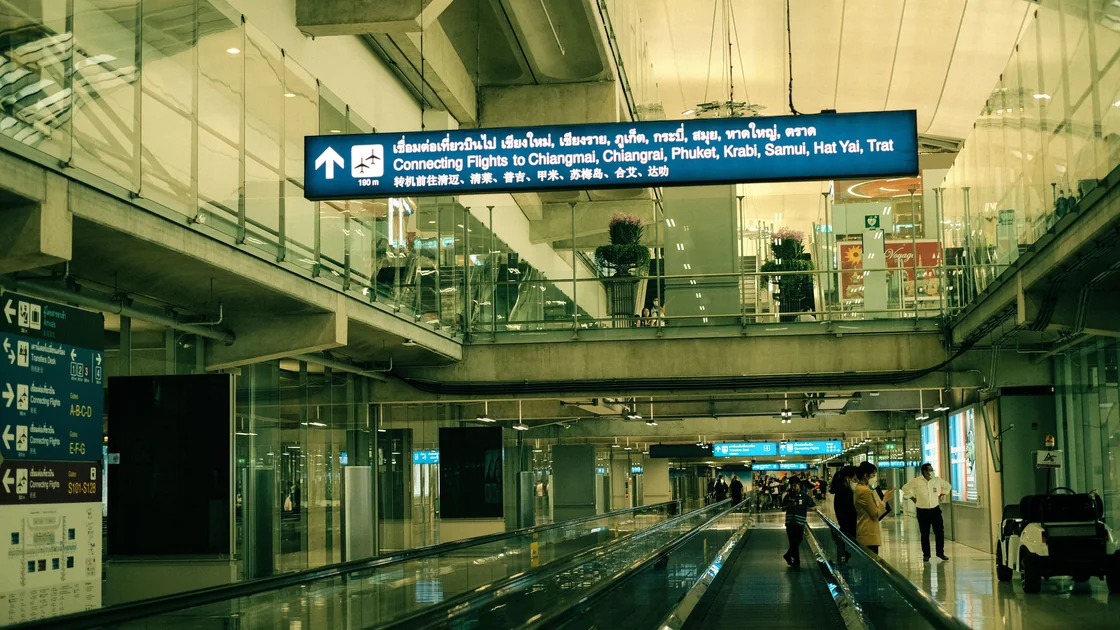

China’s 240-hour visa-free transit is available only when your passport, complete route, arrival port, departure booking, and planned stay all satisfy the current policy. It is a transit permission for an eligible traveler going from one country or region through China to a different country or region—not a general ten-day visa waiver. The immigration inspection authority at the arrival port makes the admission decision.[1][2]
Key Takeaways
- Check nationality and ordinary-passport eligibility against the current official list.
- Build a true third-country or region route: place A → eligible China port → different place B.
- Hold an onward international ticket with a confirmed seat and departure date.
- Enter through a designated port and remain inside its permitted stay area.
- Count the stay using the rule confirmed for your port; do not treat “240 hours” as an automatic ten nights.
- Recheck the route after every airline, rail, ship, airport, or border change.
The China travel pillar covers broader trip preparation. This guide is limited to the 240-hour transit test; use the separate visa-free eligibility guide if you first need to identify which admission policy might apply.
The National Immigration Administration lists 57 eligible nationalities as of 20 August 2026. An eligible national must hold an ordinary passport and transit China for a third country or region through one of 65 designated ports in 24 provincial-level areas. The official policy allows a stay of no more than ten days within the permitted area and allows activities such as tourism, business, visits, and family reunions; work, study, and news reporting still require the appropriate approval and visa.[1]
Kyrgyzstan and Vietnam joined the eligible list on 20 August 2026. That change is a useful warning against relying on an old blog, saved screenshot, airline forum, or previous trip. Always open the current NIA list and locate your nationality by name before booking around this policy.[2]
| Gate | What must be true | What does not prove eligibility |
|---|---|---|
| Traveler | Nationality is on the current list | Residence in an eligible country |
| Document | Valid ordinary passport | Diplomatic, emergency, refugee, or other document without confirmation |
| Journey | Transit to a different country or region | A round trip returning to the same place |
| Onward transport | Confirmed international seat and departure date | Waitlist, flexible idea, or unissued reservation |
| Arrival | Designated 240-hour port | Any airport or border merely open internationally |
| Stay | Entire itinerary remains in the permitted area | Assuming all mainland destinations are allowed |
Eligibility is assessed from the actual traveler and actual itinerary. A travel companion may qualify while you do not, and two people on the same flight may receive different decisions because they hold different passports or onward documents.
The route must show genuine onward transit. Read it as three distinct points: the last country or region before mainland China, the eligible port in mainland China, and the next country or region after mainland China. The first and third points must be different for the 240-hour transit logic.
Examples that generally match the route structure, subject to every other gate:
Examples that do not establish third-place transit:
Treat China Hong Kong and China Macao as separate regions for immigration-routing purposes, but confirm the admission requirements for that region as well. If your itinerary crosses the Hong Kong–mainland boundary, use the dedicated border preparation guide rather than assuming the transit permission answers both jurisdictions.
Do not assume separate bookings satisfy the ticket requirement. The NIA requires a confirmed interline or onward ticket or relevant proof, but its public guidance does not promise that every set of separately issued tickets will be accepted. Before departure, confirm the documents with the carrier and 12367 or the intended entry port. Baggage transfer and missed-connection protection are separate operational questions.
Do not stop after finding your arrival airport on the list. The NIA table links designated arrival and departure ports to specific permitted stay areas. Some policies allow movement across named provincial-level areas; others are narrower. The decisive question is whether every overnight stop, domestic connection, day trip, and departure port fits the current entry-port rule.[1]
Use this sequence:
A city name alone may be ambiguous. “Shanghai” could mean one of multiple airports, a seaport, the municipality, or a broader regional itinerary. Use the exact port name printed on the ticket and the official table, not a generic destination label from a booking app.
The policy sets a maximum of 240 hours, described by NIA as no more than ten days. Your operational deadline should come from the entry permission, arrival record, and instructions issued at the port—not from adding ten calendar dates in your head.[1]
Before leaving immigration, confirm:
Do not build an itinerary that uses every possible hour. Weather, air-traffic control, railway disruption, illness, or a missed connection can turn a technically valid schedule into an overstay risk. Keep a meaningful buffer and monitor the operating carrier’s official status.
If disruption may prevent timely departure, contact the immigration inspection authority or competent local exit-entry authority immediately. The 12367 immigration service guide explains how to prepare a precise jurisdiction, document, timeline, and deadline question. A call or message does not itself extend permission.
Carry evidence that lets the airline and border officer evaluate the same itinerary you evaluated.
Match names across every booking. If a carrier shortens or rearranges a name, ask it to confirm the record before travel. A booking confirmation should not conceal that the onward segment is waitlisted, standby, or not ticketed.
At origin check-in, state the complete route rather than saying only that you are “visa-free.” Present the onward ticket and permission for the next destination if requested. Carrier staff may consult their current document system or escalate the case; allow extra time and keep the official rule available.
At the China port:
The policy creates a route to request temporary entry; it does not compel admission. Incomplete evidence, a route that is not true transit, concerns about the next destination, a prohibited activity, or another lawful ground may lead to refusal or restricted handling under current rules. Do not make non-refundable arrangements that depend on an unissued border decision.
| Problem | Why it matters | Safer action |
|---|---|---|
| Return to the same country or region | It may not be third-place transit | Add a genuine different onward destination or use another admission basis |
| Arrival port is eligible but departure is not | Port and area rules work together | Rebuild the route using the current official table |
| Domestic side trip leaves the permitted area | Permission is geographically limited | Remove the trip or obtain the correct visa |
| Onward reservation is not confirmed | The policy requires confirmed onward travel | Obtain an issued, confirmed booking before departure |
| Carrier changes the arrival airport | The new port may have different rules | Recheck every gate before accepting the change |
| Traveler plans work or study | Those activities require prior approval and visa | Use the appropriate visa route |
| Schedule uses the final possible hour | Disruption can cause an overstay | Move departure earlier and retain a buffer |
Never ask an agent to describe a round trip as transit or to hide a domestic segment. The itinerary, ticket records, passport movements, and your explanation should tell one consistent story.
No. It is a transit policy tied to a qualifying route through China to a different country or region. A separate unilateral, mutual, or regional visa-free policy may allow a visit without third-place transit, but it has its own passport, purpose, duration, and geographic rules.
That itinerary does not show the different onward country or region required for the transit structure. Check a different visa-free basis or obtain the appropriate visa rather than relying on a same-place return.
They may form a distinct region in a qualifying route, subject to the current policy and their own admission requirements. Confirm every segment and do not assume permission for mainland China grants permission for either region.
Only if the current official port-and-permitted-area rules support that combination. Check the exact arrival port, all movement inside China, and the intended departure port together.
No. It satisfies one evidence requirement, but the immigration inspection authority decides admission after reviewing the traveler, passport, route, purpose, area, and other lawful conditions.
The official policy expressly separates permitted short-visit activities from work, study, and news reporting that require prior approval and an appropriate visa. Do not assume an online work arrangement changes that legal classification; seek qualified advice for your facts.
Contact the carrier and competent immigration authority immediately, before the permitted stay expires. Preserve the cancellation record and proposed replacement route, but do not assume disruption automatically extends your stay.
Do not plan it that way. Confirm the start and expiry shown by the port and keep a buffer; arrival time, recorded permission, and departure schedule control the practical deadline.
Disclaimer: This article provides general policy-navigation information and is not legal advice or a guarantee of carriage, temporary entry, admission, permitted movement, or onward entry. Rules and lists can change; follow current instructions from the competent carrier and immigration authority.
Sources checked 5 September 2026.
Sign up to experience all premium features at no cost.
*Available only to new users. Each user is limited to one trial.