Start your 3-day free trial
Sign up to experience all premium features at no cost.
*Available only to new users. Each user is limited to one trial.


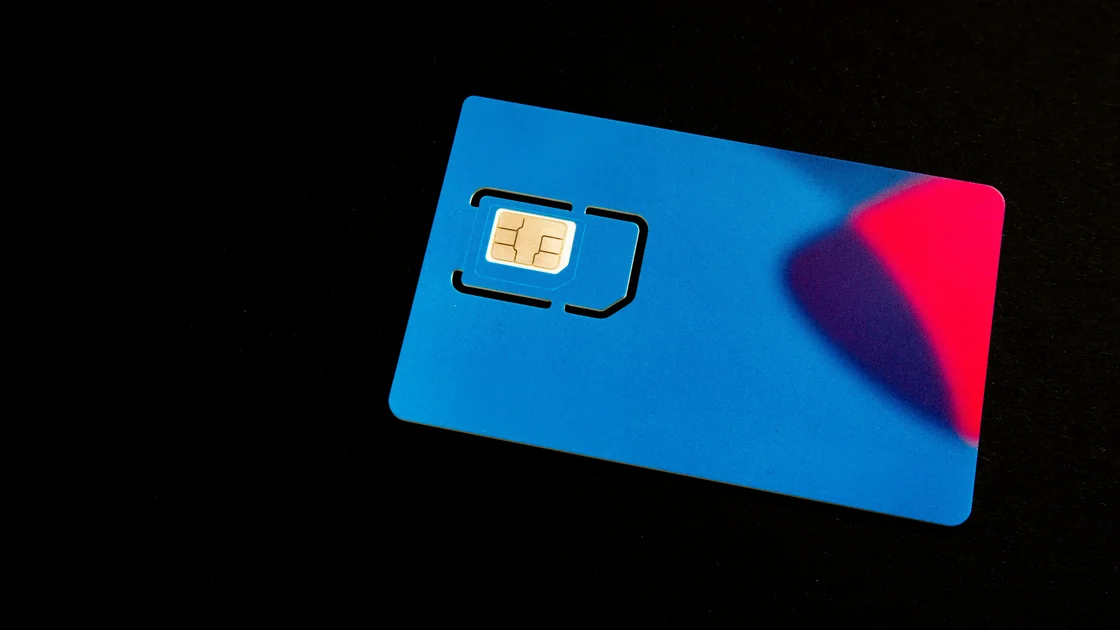
If you plan to close a Chinese mobile plan before leaving China, first decide whether you still need the number for bank codes, account recovery, work, tax, or travel records. If you truly no longer need it, move every dependency first, then check the contract, bundled services, balance, bills, and the operator's current official cancellation route before saving proof.
Key Takeaways:
- Keeping a low-use number can be safer than canceling it while important accounts still depend on SMS.
- A SIM, mobile number, plan, add-on, family group, broadband bundle, and autopay instruction are separate objects.
- Throwing away the SIM or stopping payment does not close the account.
- A canceled number may later be recycled, so financial and social accounts must be unlinked first.
Use the China VPN pillar for the broader connectivity context. If you still need Chinese SMS abroad, stop here and use the mainland-number retention guide instead.
Make this decision before visiting a service hall or tapping a cancellation button. A low-use line has a recurring cost and maintenance burden, but an early cancellation can remove a recovery channel that is difficult to replace from overseas.
| Situation | Safer default | Reason |
|---|---|---|
| Bank, payment, government, work, or social account still sends codes | Keep temporarily | Move and verify dependencies first |
| Number is required for an unresolved refund, dispute, or travel record | Keep temporarily | Messages or calls may still be needed |
| Contract or device installment is active | Check terms first | Cancellation may require settlement |
| Broadband, family group, or secondary line is bundled | Map the bundle first | Closing one service may affect others |
| All dependencies moved and final bills are clear | Proceed through official route | Risk of lockout is lower |
Do not base the decision only on whether the phone currently receives calls. Search password managers, account settings, old statements, contact records, and recent SMS for services tied to the number.
List banks, credit cards, Alipay, WeChat, email, cloud storage, social accounts, work tools, delivery apps, government services, airlines, loyalty programs, insurance, tax records, and any two-factor authentication that uses the number. Include accounts you use rarely; recovery channels matter most when something goes wrong.
For each service, record whether the number is used as a username, contact, OTP destination, transaction confirmation, recovery method, or payment proxy. Changing a contact field may not change authentication or recovery.
The industry warning published through the Ministry of Industry and Information Technology system specifically tells users to unlink payment, social, and bank records before changing or canceling a number. It also explains that canceled numbers can eventually return to the market.[1] The same notice points to MIIT's “one-ID lookup” (一证通查) service, which shows internet accounts linked to the mobile numbers registered under your ID and offers an unlinking route.[1]
Update the most sensitive services first: banks, email, password manager, payment accounts, and primary messaging. Keep the old SIM active while each service confirms the new number or a different recovery method.
Use a low-risk verification action. Sign in from a trusted device, check the masked recovery destination, receive one code when appropriate, and confirm that alerts reach the intended number. Do not test with a large payment or an irreversible account change.
For bank records, follow the Chinese bank phone-number guide. For a wider relocation inventory, the digital-account checklist helps find less obvious dependencies.
Open the operator's official app, website, or statement and identify the account holder, number status, base plan, add-ons, family group, shared allowance, device installment, broadband, television, supplementary lines, and autopay method. Do not assume canceling the SIM closes all of them.
Ask what happens to each linked service if the number closes. A primary family number may administer secondary lines; a mobile discount may be tied to broadband; an installment or minimum term may survive the line itself. Record the operator's answer and the service identifiers in masked form.
Also check whether the number is registered in your own name. If someone else is the subscriber, the operator may require that person or a valid authorization to make changes.
Ask for the current amount due, unbilled usage, contract settlement, device balance, add-on renewal dates, account credit, deposit, and refund method. Clarify whether charges continue until the request date, the billing-cycle end, or another effective date.
Do not empty the payment account or cancel autopay before you understand the final bill. Conversely, do not leave an unlimited payment instruction active indefinitely. Choose a review date after the final expected statement.
The Ministry's November 2025 service summary says eligible telecom service cancellations should be completed on the spot, with remaining call credit returned after the billing period ends. It also reports that online channels handle more than 91% of telecom transactions and that about 45,000 service halls accept cross-region requests.[2] These are service-policy directions, not proof that your exact plan can be closed from any location.
Start from the operator's official app, website, customer-service number, or self-operated service hall. Ask whether your plan is eligible for online, video, cross-region, local-hall, or account-origin service. Confirm required identity documents, physical SIM, authorization, and whether a reservation is needed.
If you are already outside China, state that clearly and ask for the overseas-customer route. Do not pay an unofficial agent to impersonate you, mail an identity document to a stranger, or install remote-control software.
Before confirming, read the number, services affected, effective date, final-charge rule, refund route, and consequences for bundled products. If any item differs from what support explained, stop and ask for clarification.
Complete the operator's identity check yourself. Save the request number, service receipt, timestamp, channel, masked mobile number, effective date, and support case. If the operator takes the physical SIM, ensure the receipt identifies the number being closed.
Do not treat “application received,” “service suspended,” “SIM deactivated,” and “account closed” as interchangeable. Ask what final status proves the subscription and number relationship have ended.
After the stated effective time, check the operator's official status or contact support using the case number. Confirm that the mobile service, add-ons, family membership, broadband relationship, and autopay instruction are in the intended state.
Review the final bill and any balance or deposit refund. Keep the receipt and statements until the operator's dispute period and your own financial records no longer require them. Destroy the physical SIM after closure is confirmed; do not simply discard it intact.
Watch important accounts for messages still referring to the old number. If you discover one, use that service's official recovery route immediately. Once the number is recycled, the new subscriber should not become part of your recovery plan.
Treat cancellation as a controlled retirement of an identity credential, not as disposal of a piece of plastic. The number may have been used as an account key for years.
Some accounts may have online, video, or cross-region routes, but eligibility varies by operator, province, plan, identity status, and linked service. Ask your operator through an official channel for the exact route and evidence required.
No. Non-payment may suspend service while charges, obligations, or account status remain unresolved. Submit a formal cancellation and obtain proof.
Keep it until every bank and recovery dependency has moved and passed a test. If the number remains important, a supported low-use or retention arrangement may be safer than immediate cancellation.
Operators can eventually recycle numbers. Operator staff quoted in the cited 2024 notice described a 90-day freeze during which the former holder could usually reclaim the number, after which it may return to the number pool at an uncertain time.[1] Do not rely on that timing; unlink financial, social, email, and recovery accounts before cancellation.
Not automatically. Mobile, broadband, family groups, add-ons, and device installments may be linked but remain separate services. Ask the operator to state the result for each one.
Only if the operator's current policy accepts a representative and the required authorization. Never ask another person to impersonate you or share codes and credentials outside an approved process.
Keep the request or case number, receipt, date, channel, masked number, effective date, final bill, and refund confirmation. These records help distinguish a completed closure from a suspension or pending request.
Disclaimer: This article provides general account and telecom-planning information, not legal, financial, or operator-specific advice. Contracts, cancellation routes, billing dates, refunds, and number-recycling practices vary; follow your operator's current official instructions.
Sources checked 4 October 2026.
Related articles:
Sign up to experience all premium features at no cost.
*Available only to new users. Each user is limited to one trial.