Start your 3-day free trial
Sign up to experience all premium features at no cost.
*Available only to new users. Each user is limited to one trial.
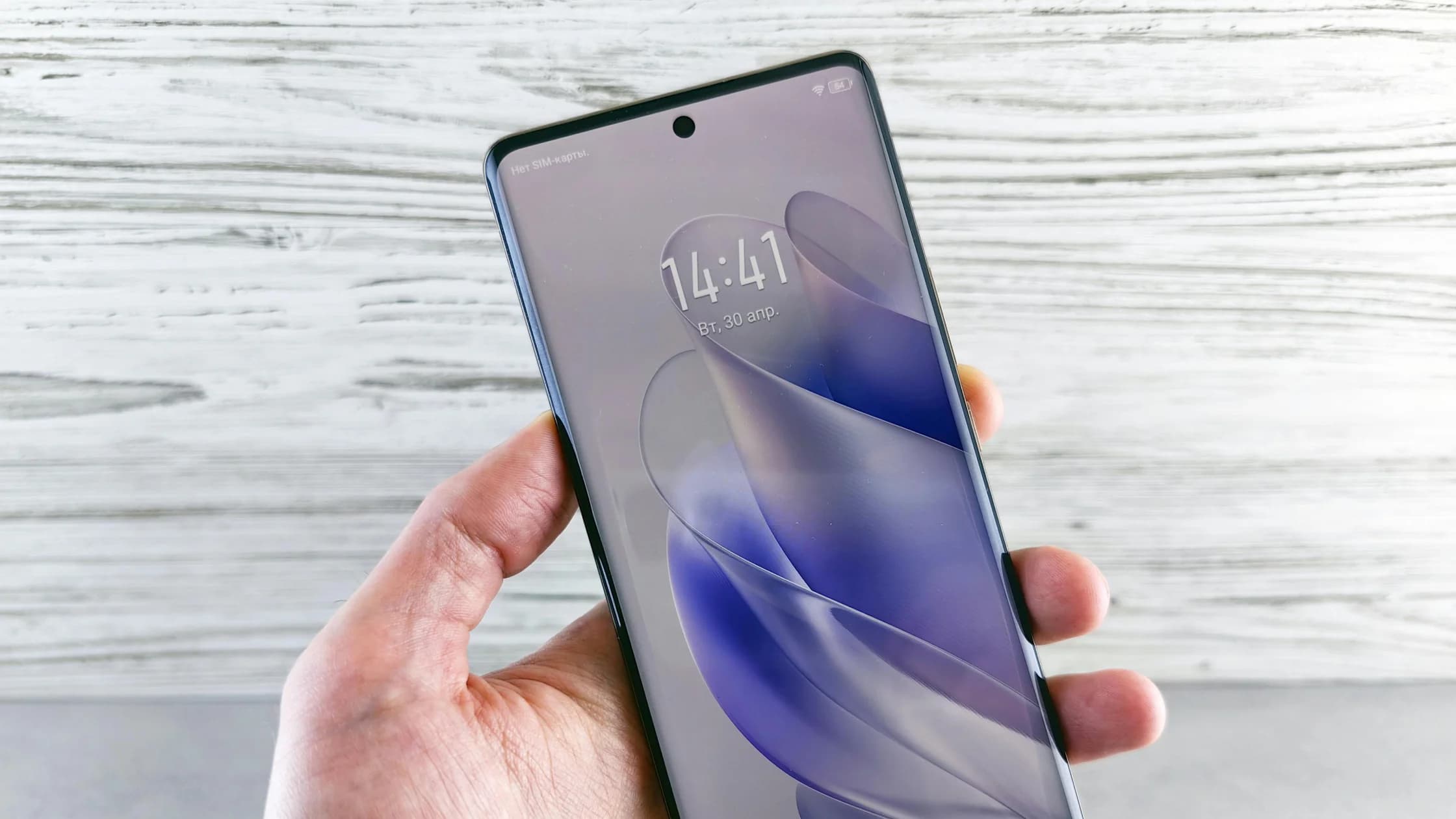

If you use an Android phone and need to use WireGuard on Android in restricted countries, preparing WireGuard in advance is usually more reliable than trying to download a provider's main app on arrival. You can keep the client, APK, config files, and QR codes on your phone, then import and connect when you need them.[1][2]
Android is also one of the best platforms for a backup access path because file transfer, QR imports, and local backups are flexible. If this phone will be your emergency connection, choose the provider with best VPNs for China in 2026 and use how the Great Firewall works to understand why the backup should be ready before you travel.
Key Takeaways
- The safest
Android WireGuard setupis to install the client early and save config files or QR codes offline.[1][2]- WireGuard's installation page offers both the Play Store entry and a direct Android APK download, which is useful in restricted environments.[1][4]
- Android shows a system VPN permission prompt the first time you connect. That is expected.[3]
- If QR import fails, file import is often more reliable because it does not depend on camera permissions or screen brightness.
- The common failure points are expired configs, network changes, and having only one node ready.
Prepare these five items together:
| Item | Recommended action |
|---|---|
| WireGuard app | Install it early, or also save the official APK[1] |
| Config files | Keep at least two, using different nodes |
| QR code screenshots | Useful when another device can scan them |
| Text backup | Helps if the QR code fails |
| Support and dashboard access | Lets you refresh configs if the site is blocked |
If your phone is your main VPN device, this preparation matters more than guessing which node will be fastest.
WireGuard's installation page lists both the Android Play Store entry and a direct APK download.[1]That second route matters because app store access may be unstable in restricted countries.
Most services provide a .conf file, and QR code import is also common. Under the hood, the content is still the Interface and Peer parameters described in WireGuard Quick Start.[2]
You usually have two import options:
I recommend keeping file import ready first. In a restricted environment, QR import adds another variable: whether the camera can be called reliably.
Android's VpnService documentation explains that users must grant system-level permission before the first VPN connection.[3]So the prompt you see after tapping connect is normal, not an error.
Open the services you actually need instead of only watching the client status. Sometimes the client says connected, but DNS, network switching, or the destination service itself still causes access problems.
Use both if you can, but prioritize file import.
You can store the config on your phone, tablet, USB drive, or saved messages. It works even when you do not have another screen to display a QR code.
If your provider dashboard is open on a computer, scanning is quick. In a restricted environment, though, that dashboard page may not load when you need it.
Some Android devices are aggressive with background apps. Switching apps, locking the phone, or sleeping the screen can affect the VPN connection.
This is common in hotels, airports, and subways. Disconnecting and reconnecting is usually better than reinstalling the app.
After a provider resets keys, the old config may still import but fail to handshake. This is often mistaken for protocol blocking.
This is an easy detail to miss. If the store is unreachable, you may not even be able to install the client.
Android WireGuard setup is useful in restricted countries because you can save the app, APK, and configs in advance.[1][2]No. WireGuard's official installation page also provides a direct APK download.[1]That is a useful backup in restricted environments.
Because Android VPN connections are system-level capabilities, and the user must explicitly approve the first connection.[3]
For restricted countries, I prefer file import first. It depends less on the network, screen, and camera.
Not necessarily. DNS, the destination service, current network quality, or node status may be involved. Try another network and node before deciding.
Yes. Restricted networks punish single points of failure. At least two configs are safer.
Usually no, but you may need to reconnect or switch nodes. An unchanged config does not guarantee the current route state is still healthy.
Disclaimer: This article provides general device setup and network reliability information only and does not constitute legal advice. Check local laws and use related tools and services only where lawful and compliant.
Sources:
Sources checked 8 May 2026.
Related Articles:
Sign up to experience all premium features at no cost.
*Available only to new users. Each user is limited to one trial.