Start your 3-day free trial
Sign up to experience all premium features at no cost.
*Available only to new users. Each user is limited to one trial.
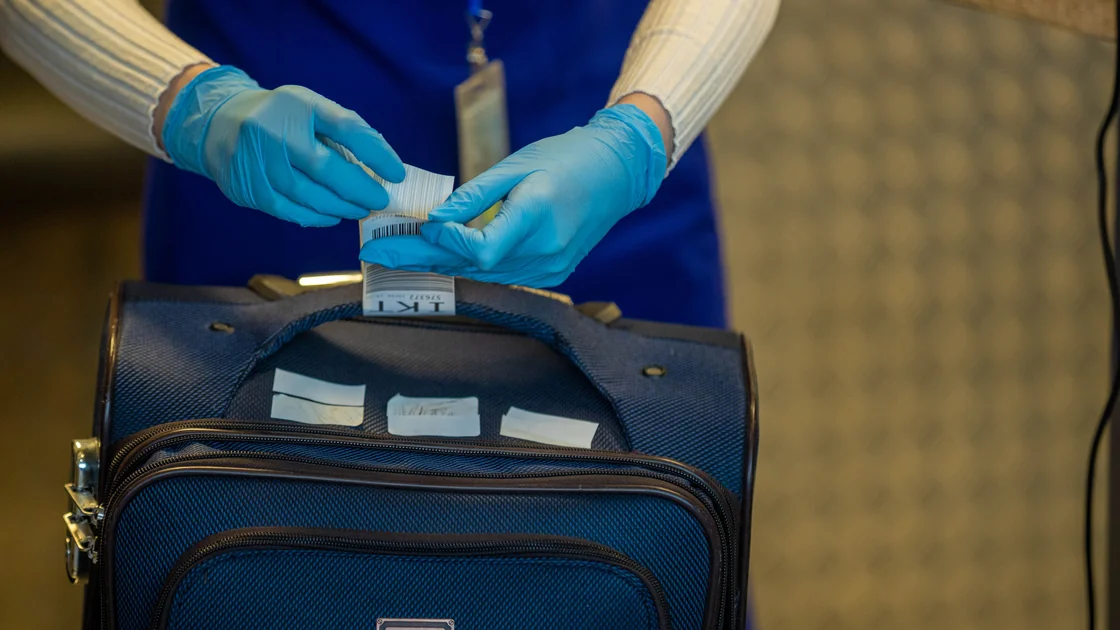

Complete customs declarations when leaving China by first checking whether anything you carry falls into the outbound categories: RMB cash above 20,000, foreign-currency cash above USD 5,000 equivalent, cultural relics, endangered-species products, precious metals, valuable items you plan to bring back, or commercial goods and samples.[1] The official passenger-baggage guide says travelers with nothing to declare may use the green channel, while those carrying declarable items should use the red channel and complete the declaration formalities.[1] If an item is declarable or uncertain, go red, declare truthfully, and retain any endorsed copy or receipt.
Key Takeaways
- Inventory goods, cash, valuables, controlled articles, and professional equipment before packing.
- Compare each item with current outbound categories and any original inbound declaration.
- Use the red channel when an item is declarable, borderline, special, or unclear.
- Prepare permits, invoices, ownership records, and endorsed inbound forms where relevant.
- Never split, conceal, misdescribe, or move goods to another traveler to avoid declaration.
- Keep stamped or endorsed records for later re-entry, tax, insurance, or destination checks.
China Customs' current service guide lists several categories for departing passengers. They include cultural relics; endangered animals, plants, and their products; biological species resources; gold, silver, and other precious metals; certain resident travelers' personal-use items worth more than RMB 5,000 each that are intended to be brought back; RMB cash above 20,000; foreign currency cash above the equivalent of USD 5,000; goods, samples, and advertising materials; and other articles Customs requires to be declared.[1]
| Category | Prepare before the airport or port | Important boundary |
|---|---|---|
| Cash | Count by currency and traveler; retain lawful source evidence | Thresholds are not targets for splitting |
| Cultural or natural heritage items | Invoice, identification, and required export permit | A souvenir label does not settle legal status |
| Precious metals or valuable goods | Description, quantity, value, and purchase evidence | Duty-free purchase does not remove declaration duties |
| Professional or high-value equipment | Serial number, ownership, purpose, and inbound record | Resident re-import rules can differ from visitor export |
| Commercial goods, samples, or ads | Invoice, packing list, authorization, and purpose | “In luggage” does not make goods personal-use items |
| Restricted or uncertain article | Current permit and official classification | Ask Customs before choosing the green channel |
These are routing categories, not a complete legal opinion about every object. Amounts and controls can change, and other agencies or the destination country may impose additional rules. For an unusual, controlled, or borderline item, contact the port Customs office before departure and allow time for a red-channel decision.
List what each person is physically carrying in cabin baggage, checked baggage, clothing, wallets, and document cases. Count Renminbi and every foreign currency separately, then convert only for understanding; Customs determines the applicable equivalent and aggregation. Record valuable jewelry, watches, bullion, artwork, antiques, fossils, wildlife products, plants, seeds, specimens, medicines, drones, professional cameras, instruments, samples, and goods intended for another person or business.
Do not divide one person's cash or commercial shipment among companions to remain below a threshold. Do not hide an item, remove labels to change its apparent nature, or describe a sale as a gift. Accurate declaration is a legal duty, and passenger luggage remains subject to Customs examination.[2]
Find any declaration form endorsed when the goods entered China. The current guide explains that a non-resident taking back articles previously declared on entry may present the endorsed inbound declaration or complete a new passenger-baggage declaration.[1] This can be important for cameras, instruments, samples, jewelry, or other identifiable articles.
Gather invoices, serial numbers, ownership evidence, repair records, temporary-import documents, export permits, medical paperwork, and authorization for goods carried on behalf of an organization. A receipt proves a transaction; it does not necessarily prove that export is unrestricted. Cultural relic, endangered-species, biological-resource, precious-metal, and commercial-goods controls require the responsible authority's current decision.
For the current guide, outbound declaration categories include more than RMB 20,000 in cash and foreign-currency cash above the equivalent of USD 5,000.[1] Treat those figures as triggers to investigate and declare, not as instructions to carry just under a limit. Ask Customs how multiple currencies, jointly held funds, minors, negotiable instruments, or transit itineraries are handled.
Also check carrier and security limits, although they are different from Customs. An item permitted by Customs may still be prohibited in cabin or checked baggage, while an item accepted by an airline can still require export permission or declaration. Review the destination country's import allowance, taxes, agriculture, medicine, wildlife, and cash rules independently.
Use the green “nothing to declare” channel only when, after a genuine review, you carry no article that requires declaration. Use the red “goods to declare” channel when a listed category applies, a permit must be presented, you need an endorsed record for re-entry, or you are uncertain. The English Customs guidance tells travelers who do not know the rules or channel to use the things-to-declare route.[2]
Do not interpret the absence of a queue, a closed-looking desk, or another traveler's choice as permission to use green. Follow signs and ask uniformed Customs staff where to report. Leave enough time before boarding for questions, document review, examination, and possible referral.
Obtain the current declaration form or official electronic process at the port. Enter the traveler's identity, document number, itinerary, articles, quantities, currencies, values, purpose, and supporting permits as requested. Use the same units and currency labels throughout. If you do not know a value, say how it was estimated and present the invoice or other evidence rather than inventing precision.
Ask an officer how to correct an error before signing or submitting. Do not leave a relevant field blank because the wording is unfamiliar. Request language assistance where available, and keep the official answer with your travel records. The Customs Law requires travelers to accurately declare their luggage and makes it subject to examination.[3]
Keep declarable articles accessible enough to identify without repacking the entire suitcase. Present the completed form, passport, itinerary, permits, invoices, and any endorsed inbound declaration. Answer who owns the item, why it is leaving, whether it will return, how the value was determined, and whether it is personal or commercial.
Customs may inspect, request clarification, calculate duties, endorse temporary movement, require another authority's permit, detain an article for procedure, or prohibit export. Do not argue that a shop, hotel, courier, social-media post, or airline already “approved” the item; those parties do not replace Customs.
Before leaving the counter, check whether you receive a stamped or electronically endorsed copy, payment receipt, detention record, permit notation, or other reference. Verify that the listed traveler, item, serial number, amount, currency, and date are accurate. Ask how to retrieve the record if it is electronic.
Keep the evidence after departure. It may matter when temporarily exported equipment returns to China, when the destination asks about lawful export, or when an insurer, employer, or tax authority needs a record. Photographing your own endorsed form can be a backup, but protect passport numbers, addresses, values, and signatures.
Departure VAT-refund verification is a separate process even when Customs examines the goods; use the tourist tax-refund guide. City duty-free departure pickup also has its own order and sealed-goods conditions. Postal or courier exports require cargo or postal declarations, not this passenger-baggage workflow.
A VPN cannot decide whether an article is declarable, change cash thresholds, issue an export permit, approve a valuation, clear baggage, or override Customs. If the facts are unclear, use the red channel or official desk. Staying online during the trip is a separate question, covered in the China connectivity guide.
| Situation | Responsible route | Safe action |
|---|---|---|
| Unsure whether an object is a cultural relic | Customs and the competent cultural authority | Ask before departure; carry provenance and permits |
| Cash is near or above a threshold | Port Customs and current currency rules | Count honestly and declare when required |
| Equipment was declared on entry | Passenger-baggage Customs | Present the endorsed inbound form and serial number |
| Goods are for sale, display, or business samples | Commercial or passenger route as directed | Disclose purpose and bring invoices and authorization |
| VAT refund goods need inspection | Departure tax-refund verification | Follow that separate counter and timing |
| Sealed duty-free goods are being collected | Designated pickup plus Customs decision | Keep documents and packaging; declare if required |
| Goods will be mailed instead of carried | Postal or cargo process | Do not use the passenger allowance as a substitute |
The cited Customs guide lists RMB cash above 20,000 and foreign-currency cash above USD 5,000 equivalent. Confirm current treatment and aggregation with the port before travel.
Do not split or reassign cash to evade a rule. Count truthfully by actual owner and carrier and ask Customs how the family situation is treated.
Yes. Official English guidance directs travelers who do not know the rule or channel to the things-to-declare route.
No. Duty-free is a sales treatment, not a universal exemption from export controls, passenger declaration, airline restrictions, or destination import rules.
An endorsed inbound declaration can help identify articles being taken back out and may support later re-entry. Present it when relevant.
No. Postal and cargo exports use their own declarations and controls. This guide concerns articles physically carried by a departing passenger.
No. All passenger baggage can be examined. Green is a declaration choice, not immunity from Customs checks.
Ask for the official reason, available procedure, responsible authority, and any written record. Do not conceal or move the item to another traveler.
Disclaimer: This guide provides general travel information, not legal or Customs advice. Categories, thresholds, forms, permits, port arrangements, valuations, inspections, and destination rules can change; ask the relevant Customs authority about your exact facts.
Sources checked 4 October 2026.
Sign up to experience all premium features at no cost.
*Available only to new users. Each user is limited to one trial.