Start your 3-day free trial
Sign up to experience all premium features at no cost.
*Available only to new users. Each user is limited to one trial.
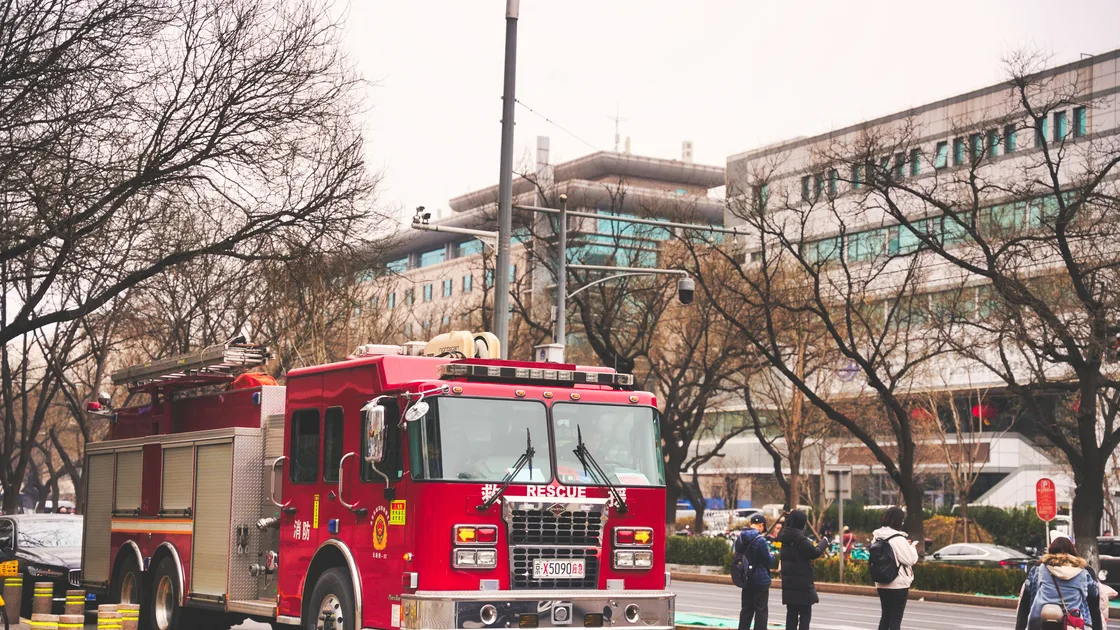

The emergency number for police in China is 110; the other China emergency numbers are 119 for fire, 120 for emergency medical rescue, and 122 for a road traffic accident. These are real emergency lines: never make a test call. First move away from immediate danger if you can, then call the service that matches the principal threat and give a precise location, what happened, and how many people need help.[1][2]
Key Takeaways
110is police,119is fire,120is emergency medical rescue, and122is traffic police for road accidents.- Protect yourself from traffic, fire, violence, electricity, water, or another active hazard before calling.
- Start with the city, district, road, building, landmark, floor, and room.
- Keep the line open, answer briefly, and follow dispatcher instructions.
- Ask hotel, station, venue, security, police, or another trusted person for language help when necessary.
- A mobile app, internet connection, or VPN is not a prerequisite for seeking emergency help.
| Situation | Number | What to report first |
|---|---|---|
| Assault, theft in progress, immediate police danger | 110 | Location, danger, people involved |
| Fire, smoke, explosion risk, trapped people | 119 | Exact location, what is burning, trapped people |
| Serious illness or injury needing emergency medical rescue | 120 | Location, symptoms or injury, patient count |
| Road traffic accident | 122 | Road and direction, vehicles, injuries, traffic hazard |
The National Immigration Administration lists these four services in its visitor guidance.[2] Beijing's official guidance additionally tells callers to state the facts and location and prohibits nuisance or non-emergency calls.[3] If one event involves several hazards, report the most immediate life threat and tell the dispatcher about the others.
12345, 12367, tourism hotlines, consular lines, and local multilingual services can be useful in their proper roles, but they are not a replacement for the four emergency numbers above and must not be presented as one nationwide emergency system.
Do not remain in a traffic lane to take photographs, re-enter a smoky room for belongings, touch exposed electrical equipment, or confront a violent person. Move to a safer nearby position when movement is possible without creating a greater risk. Warn others and use marked emergency equipment only when you understand it and can do so safely.
Look for a street sign, building entrance, shop name, station exit, platform, kilometer marker, or map pin. A full location is more useful than “near my hotel.” If you do not know the address, ask a nearby staff member to write it in Chinese or speak to the dispatcher.
Do not guess a diagnosis, blame, or legal conclusion. Describe observable facts: “one person is unconscious and breathing,” “smoke is coming from the third floor,” or “two cars block the eastbound lane.” For medical events, follow dispatcher instructions rather than improvising treatment from an online article.
Use a short sequence that can survive stress or a language barrier:
Save your hotel name and address in Chinese before leaving each day. The phone preparation guide and mainland internet checklist can help with offline copies, but emergency calling must not wait for a data connection. Reaching overseas apps in mainland China is a separate trip-planning question covered in the China VPN guide; it never comes before an emergency call.
Try the call again from a safe position and confirm the phone has a mobile signal. Then seek a real person at the scene: hotel reception, station staff, airport staff, venue management, security, a police officer, a hospital reception desk, or a nearby staffed business. Show the number and location rather than handing an unlocked phone with unrelated personal data to a stranger.
If another person calls, stay nearby to provide facts. Ask them to identify the service and repeat the location back to you. Do not rely on an unverified social-media account or someone demanding payment before contacting public emergency services.
Your embassy or consulate may help with communication, documents, relatives, or lists of local resources after the immediate call. Travel insurance may coordinate payment or follow-up care. Neither replaces police, fire, ambulance, or traffic response.
| Problem | Immediate fallback | Do not do |
|---|---|---|
| You do not know the address | Use landmark, entrance, map pin, and nearby staff | Give only a hotel brand or vague district |
| Language barrier | Ask trusted staff to interpret or write the address | Delay a life-safety call while searching for an app |
| Phone has no signal | Move safely, use another phone, find staffed premises | Enter a dangerous area for better reception |
| Several services may be needed | Call for the principal threat and report all hazards | Place nuisance test calls to every number |
| Caller becomes separated | Give callback number and meeting point | Block the line with repeated nonessential calls |
110, 119, 120, or 122 according to the emergency.Call 110 for police help involving personal assault, property crime, or another immediate police emergency.[1] Dial the three digits without a country or city code, report the exact place first, and describe clearly what happened.[3]
Call 119, report the exact location and fire situation, and state whether anyone is trapped.[3]
Call 120 for emergency medical rescue and clearly describe the location, symptoms or injury, and number of patients.[2]
122 appropriate?Use 122 for a road traffic accident. Report the road, direction, nearby landmark, vehicles, injuries, and any continuing traffic danger.[3]
No. Official guidance prohibits nuisance or non-emergency calls. Never make a test call.[3]
12345 the national emergency number for foreigners?No. It is not a substitute for 110, 119, 120, or 122, and service scope and language support can vary locally.
State or show the address, use simple facts, and ask trusted hotel, station, venue, security, police, or other staffed personnel to interpret.
Not when there is an immediate threat to life or safety. Call the appropriate local emergency service first, then contact the embassy, consulate, insurer, or family for follow-up support.
Disclaimer: This guide provides general emergency-preparation information. It does not replace dispatcher instructions, local authority guidance, professional medical care, police advice, fire-safety direction, consular advice, or an insurer's assistance procedures.
Sources checked 4 October 2026.
Sign up to experience all premium features at no cost.
*Available only to new users. Each user is limited to one trial.