Start your 3-day free trial
Sign up to experience all premium features at no cost.
*Available only to new users. Each user is limited to one trial.
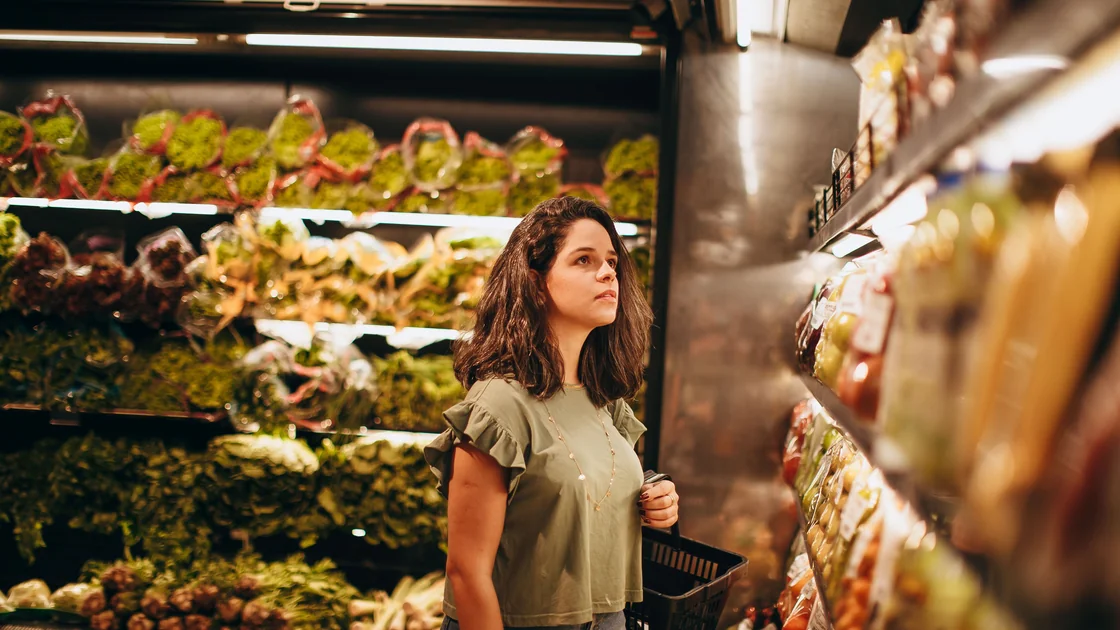

To use supermarket delivery apps in China, first select a store that actually serves your address, then enter a reachable recipient, review stock and substitution rules, and keep the order record until every fresh or chilled item has been checked. The Freshippo app is Hema under its English brand name and is one option, but its account, payment, branch, and delivery support can differ by location and by the visitor's documents or phone number.[1][2]
Key Takeaways
- Grocery delivery is a branch-and-address service, not a nationwide promise from an app.
- Confirm the building, entrance, room or unit, recipient name, and a working contact method before checkout.
- Weighted produce, substitutions, stock changes, delivery slots, and chilled goods need a final review.
- If the app cannot support your phone, identity, payment method, or address, use an official staffed store or another retailer.
- Keep order, payment, packaging, and item-condition evidence until any refund or replacement is closed.
If you are preparing several local services at once, start with the broader China connectivity and visitor checklist. Set up a reliable Chinese address format and a cash, card, and mobile-payment fallback before relying on a grocery order for your first meal.
Prepare the delivery facts before opening the basket. You need the city and district, the full Chinese address if available, building and entrance details, room or unit, a recipient name, and a contact method that can receive the courier's call or message. A hotel front desk may accept deliveries, but only if the hotel confirms the policy and tells you the correct handoff point.
Also prepare more than one payment route. China's official visitor payment guide presents bank cards, mobile payment, cash, bank accounts, and e-CNY as different options rather than a single universal method.[3] An app showing a card logo or payment button does not prove that your issuing country, card, wallet, or transaction will be accepted.
| Prepare | Why it matters | Safe fallback |
|---|---|---|
| Address in Chinese | Couriers may search by compound or building name | Ask the hotel or host to confirm the exact text |
| Reachable recipient | The courier may need gate or handoff instructions | Use the front desk only with permission |
| Working phone or in-app contact | Missed contact can delay or cancel delivery | Arrange a named local contact with consent |
| Two payment methods | Acceptance differs by app and order | Pay in store or use another official retailer |
| Storage plan | Fresh and frozen goods cannot wait indefinitely | Choose a slot when you can receive the order |
Do not use a borrowed identity, invented mainland number, or another person's payment account simply to pass a form. If the service requires information you cannot lawfully provide, stop and choose a staffed alternative.
Hema is Alibaba Group's grocery and fresh-goods retail platform, and Alibaba describes mobile-order delivery as one part of its service.[1] That description does not mean every Hema format, branch, or address offers the same inventory or delivery window.
Set the delivery address before building a large basket. The app may route you to a particular branch, change the available catalog, or report that the address is outside its service area. Recheck the branch if you move between a hotel, apartment, airport district, or another city.
Look for the retailer's official app, Mini Program, or website rather than a download link in a message or search advertisement. Compare the legal operator, developer name, privacy notice, and customer-service route. A copied logo and familiar color scheme are not enough to establish that an app is genuine.
Under Hema's service agreement, the customer supplies recipient, contact, and address details, while the estimated arrival shown by the service is not an exact delivery guarantee.[2] That makes address quality and a reachable handoff more useful than repeatedly watching the countdown.
Fresh produce, meat, and seafood may be sold using an estimated weight. Read whether checkout displays a fixed pack, an estimated amount, or a final amount calculated after picking. Save the final receipt so you can compare what was charged with what was delivered.
For substitutions, decide what the picker may change. A different brand, flavor, package size, ripeness, allergen profile, or storage condition may not be acceptable even when the price is similar. If the app offers notes, write a short, specific instruction; do not assume a note overrides stock or merchant policy.
If an item disappears before the order is accepted, the merchant may cancel that line or the whole order under the displayed rules. Hema's agreement distinguishes displayed product information from final acceptance and describes stock-related cancellation.[2] Treat the accepted order and final fulfillment record as the evidence, not the earlier basket screenshot.
At a hotel, ask whether couriers may enter the lobby, whether food and grocery orders go to a shelf, and whether staff will call the room. Put the hotel's Chinese name and address in the delivery record, but do not list a staff member as recipient without permission.
At an apartment compound, identify the gate and building before ordering. Security staff may direct couriers to a collection point instead of the apartment door. Keep the phone audible around the delivery window, and send concise landmark or gate instructions through the official order channel where possible.
Do not ask a courier to leave fresh food in an unsafe place. If you cannot receive the order, use the app's change or cancellation route before the cutoff shown for that order. A new address or second delivery may create a new charge or may not be available.[2]
Count bags before confirming handoff, then inspect time-sensitive goods first. Check whether frozen products are still frozen, chilled products are cold, seals are intact, eggs or glass are unbroken, and produce broadly matches the ordered unit and condition.
| Finding | Evidence to keep | First route |
|---|---|---|
| Missing item | Order line, bag count, unpacking photo | In-order missing-item report |
| Wrong item | Label, package, order comparison | Replacement or refund option shown |
| Damaged package | Seal and outer-bag condition | Merchant support before disposal |
| Warm chilled or thawed frozen item | Arrival time and item condition | Do not consume if safety is uncertain |
| Weight or charge mismatch | Final receipt and package label | Order billing support |
Photograph only the problem and necessary label details. Avoid sharing the full delivery label because it can contain your name, phone number, and address. Keep the product and packaging until support tells you whether collection or return is required, unless food safety requires disposal.
| Problem | Likely owner | Next action |
|---|---|---|
| App unavailable or unofficial-looking | App store or retailer | Use the retailer's verified channel or staffed store |
| Foreign phone or login rejected | Platform account system | Use another supported official route; do not invent details |
| Address outside delivery area | Store or logistics coverage | Try a nearer official branch or shop in person |
| Payment declined | Wallet, issuer, or merchant | Check the payment record, then use a prepared fallback |
| Courier cannot enter | Property or hotel policy | Meet at the confirmed gate or desk |
| Order incomplete or unsafe | Merchant and platform support | Preserve evidence and open the order-specific case |
Do not place repeated duplicate orders after an uncertain payment. First check the app's order list and the payment provider's transaction record. If one side shows a debit but no order, contact the payment provider and merchant with the same timestamp and amount.
Restaurant delivery has different menus, preparation risks, and merchant workflows. Use the separate Meituan visitor guide if your task is ordering a prepared meal rather than groceries.
The current app decides which phone, account, and identity routes it supports. Hema's published agreement describes supported account logins, but it does not guarantee that every foreign number or visitor document will pass the current flow.[2]
No. Retailers differ by city, branch, catalog, delivery radius, login, payment, substitution, and refund rules. Check the exact operator and order terms each time.
Often it can if the address is inside the store's delivery area, but the hotel controls its own courier and handoff policy. Confirm the Chinese address and collection point with the front desk before ordering.
Some services or login routes may require one, while others may offer alternatives. Use only a number you control or a contact arrangement made with informed consent; never borrow an identity or one-time code.
Possibly, depending on the app, payment provider, issuing bank, and transaction. Keep at least one separate payment fallback and trust the current checkout result rather than a general logo or old guide.[3]
Read how the app prices weighted goods and compare the final receipt with the package label. If the final charge or quantity appears wrong, raise the case from that order and keep both records.
Only if the replacement policy suits the item. Allergens, dietary requirements, package size, flavor, ripeness, and cold-chain needs can make a superficially similar product unsuitable.
Do not consume it if storage safety is uncertain. Record its condition and arrival time, keep the packaging, and contact the merchant through the order-specific support route.
No. Network access is separate from phone support, identity checks, merchant inventory, payment authorization, address coverage, courier access, and refund decisions.
Disclaimer: This guide provides general operational and food-handling information. Platform interfaces, account support, delivery areas, merchant stock, payment methods, charges, substitutions, timing, and refund rules can change; follow the current retailer, property, payment-provider, and local food-safety guidance.
Sources checked 4 October 2026.
Sign up to experience all premium features at no cost.
*Available only to new users. Each user is limited to one trial.