Start your 3-day free trial
Sign up to experience all premium features at no cost.
*Available only to new users. Each user is limited to one trial.
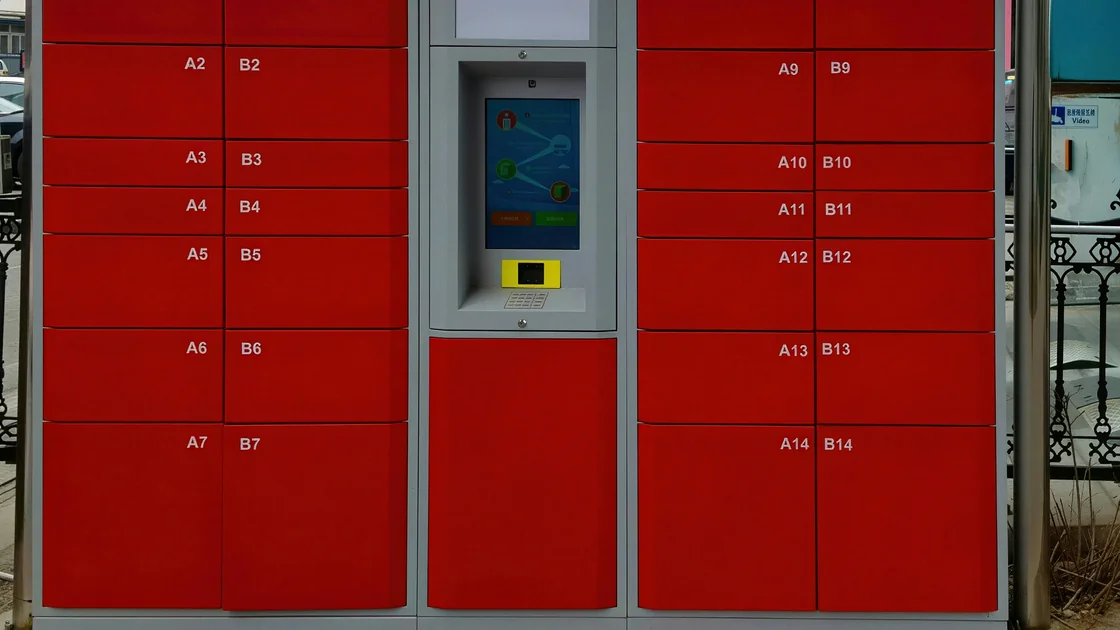

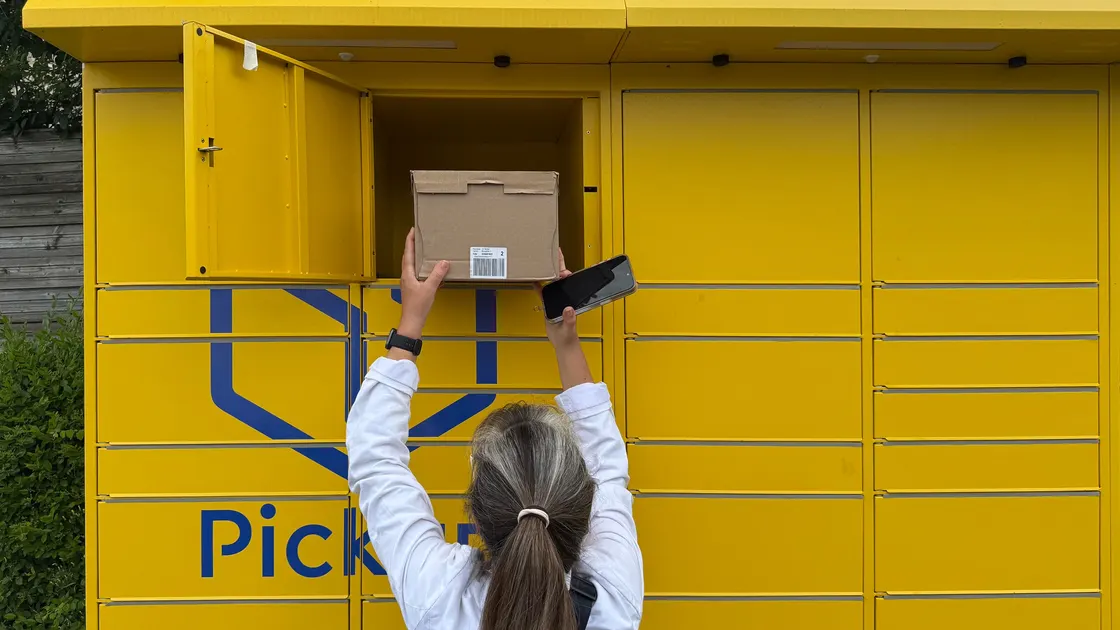
A parcel locker in China is a carrier-run smart locker: the courier leaves your parcel in a compartment and sends you a pickup code, while a pickup station is a staffed outlet that holds parcels for collection. To use parcel lockers and pickup stations in China, first match the notice to an order, carrier, waybill, recipient, and exact location you recognize. Use the code only at the named facility, inspect the package before treating collection as complete, and contact the carrier through an official channel if the code, location, identity check, or parcel is wrong. Never forward a pickup code to an unknown caller.[1][2]
Key Takeaways
- A legitimate notice should identify enough of the carrier, waybill, locker or station, address, and storage period for you to verify it.
- A parcel locker is a courier delivery facility, not a general luggage-storage locker.
- Treat the pickup code as a temporary key: do not post it, forward it, or enter it on an unrelated payment page.
- Check the recipient, label, seals, visible damage, and parcel count before leaving.
- Storage periods, identity checks, late handling, and collection methods vary by carrier and facility.
Start from an order or shipment you already expect. Compare the notice with the merchant order, carrier's official tracking record, waybill number, recipient name or masked phone number, and delivery address. If the message describes a parcel you cannot identify, do not open its link or provide a code.
The national rules for smart parcel lockers require the carrier using the locker to notify the recipient promptly and provide the locker's name, address, and storage period.[1] A notice that gives a vague location, a shortened suspicious link, or a demand for an unrelated transfer should be independently checked through the carrier or merchant platform.
Distinguish the facility before traveling. A smart parcel locker has compartments opened through a code, app, phone number, or another supported verification method. A pickup station or courier outlet has staff and may ask for an order reference, phone-number suffix, or identity document. A residential reception desk is a separate custodian, and a paid luggage locker is not part of parcel delivery.
Locker or station delivery is not automatic. The courier-market rules bar carriers from diverting a parcel to a smart locker or pickup station, or confirming receipt on your behalf, without your consent, and the locker rules also require the recipient's agreement before locker delivery.[1][2] If you prefer a hand-over or a reception desk, tell the carrier, and query any “collected” status you never confirmed.
| Notice detail | What to match | If it does not match |
|---|---|---|
| Carrier | Merchant order and official tracking | Contact the merchant or carrier |
| Waybill | Full or masked number and parcel count | Do not collect an unknown parcel |
| Recipient | Name and phone suffix you used | Check whether the order used another number |
| Location | Facility name, address, building, gate, and locker bank | Ask the carrier for the exact point |
| Pickup credential | Code, app action, barcode, or staffed verification | Use only the named official method |
| Storage period | Deadline and stated late-handling route | Contact the facility before expiry |
For the earlier stages of the shipment, use the package tracking guide. This article begins after a locker or pickup-station notice arrives; it does not reinterpret every logistics status.
Save an offline screenshot or note containing the carrier, waybill suffix, facility name, address, pickup deadline, and official support route. Do not include a complete identity-document image in an unprotected note. If the location is inside a residential compound, campus, office, or shopping center, check its access hours separately from the parcel deadline.
Bring the phone that received the notice and keep enough battery and connectivity for the approved verification method. Some sites may accept a numerical code without an app; others can require the carrier, locker, or station interface. Do not install an app from an unsolicited download file or allow a stranger to control your screen. Pickup codes arrive by SMS or app, so if mobile data and messaging for your stay are still unsettled, work through the guide to staying connected in China before you head out.
If the order used a hotel, host, workplace, or old phone number, work out who is authorized to collect it before visiting. The Chinese address guide helps keep the building, unit, gate, and contact details consistent. Do not edit the recipient after delivery by claiming another person's identity.
Take an accepted identity document only if the official carrier or station says it is required. Keep it in your possession and show only what staff need to verify. Never leave a passport as a deposit for a parcel.
The Shanghai visitor guide illustrates that a courier can require real-name verification for a pickup order.[3] That sender-side example does not mean every locker or pickup station requires a recipient's passport; follow the official notice for the service step you are actually completing.
The locker rules require technical support for recipients to inspect or refuse parcels. They also say that a parcel with obviously damaged outer packaging or a weight clearly inconsistent with the waybill should not be placed in a locker in the first place.[1] In practice, do not force open packaging in a way that destroys evidence; follow the carrier's official inspection or refusal process.
At the counter, give the minimum approved credential: usually the pickup code, waybill suffix, recipient phone suffix, or document named by the official notice. Staff may search by phone number or shelf code. Avoid saying a complete passport number where other customers can hear it.
Ask staff to present the label before confirming collection. Compare the recipient, address, carrier, parcel count, and visible condition. If you ordered several items, do not assume one bag contains all pieces; check the merchant order and waybill split.
For a damaged or wrong parcel, tell staff before the transaction is marked collected. Ask them to record the condition and explain the carrier's refusal, return, or exception route. Do not sign a clean-receipt statement while simultaneously alleging obvious damage without noting the discrepancy.
The current courier-market rules govern delivery-service quality and user rights, while each carrier and site can still use its own compliant workflow.[2] A staffed station's local practice does not prove that all stations require the same phone number, identity document, fee, or collection deadline.
Check the label without photographing other customers' data. Confirm that the visible recipient and destination correspond to you, the waybill belongs to the expected carrier, and the parcel count matches the order. Look for resealing tape, torn seams, punctures, water, oil, unusual odor, rattling, or a major weight discrepancy.
Do not treat a clean outer box as proof that the contents are correct. For expensive, fragile, perishable, or disputed goods, follow the merchant and carrier's approved inspection procedure and record an uninterrupted opening where lawful and practical. Preserve the label, packaging, seals, contents, and time.
Locker rules allow a recipient to refuse a delayed, damaged, or short-content parcel at the locker through the operator's instructions.[1] Whether a particular case qualifies and how it is routed depends on the facts, carrier contract, merchant order, and current law. Do not discard the package or send it to an address supplied by an unknown message.
Use the storage period in the verified notice, not a general number remembered from another locker. The smart-locker rules require a reasonable storage period and say recipients must not be charged within that period.[1] They do not establish one identical deadline or one identical post-expiry outcome for every operator.
Before expiry, use the official operator or carrier channel to ask about an extension, another authorized collector, transfer to a station, redelivery, or return to the sender. The available option can depend on the merchant, parcel type, facility capacity, and recipient verification.
If the deadline has passed, do not pay a random “reactivation” link. Check whether the parcel remains at the site, moved to another outlet, returned to the carrier, or entered a return route. Save every new waybill or exception record so the merchant can locate it.
| Problem | Safe next step | Avoid |
|---|---|---|
| Code expired or rejected | Verify waybill and site, then request a new official credential | Buying a code from a stranger |
| Wrong locker or station | Confirm the full address with the carrier | Trying codes at nearby facilities |
| Phone number not recognized | Check the number used on the order and contact official support | Borrowing another account or OTP |
| Compartment is empty | Record the open compartment and screen, then report immediately | Marking collection complete and leaving |
| Wrong parcel inside | Leave or return it as staff direct and preserve evidence | Taking or opening another person's parcel |
| Packaging visibly damaged | Use the official inspection or refusal process | Discarding packaging or signing clean receipt |
| Unexpected fee | Ask for operator, basis, storage period, and receipt | Paying a private QR code |
| Suspicious pickup message | Verify through merchant and carrier records | Opening its link or forwarding your code |
If a service rejects the foreign phone number used on the order, follow the foreign-number troubleshooting guide. Do not replace the recipient with a stranger or disclose a one-time code just to pass the interface.
No. A code normally belongs to one shipment, operator, location, and limited period. Use it only at the facility in the verified notice.
It depends on the order, carrier, locker, and station. Some flows use a code sent to the order number; others provide staffed verification. Do not borrow an account or OTP.
Not in every case. Follow the official notice and carrier's current verification rule. If a document is required, keep it in your possession and show only the necessary details.
Only if the carrier or facility permits authorized collection and you can share the required credential safely with a trusted person. Never publish the code or give it to an unsolicited caller.
No. Parcel lockers are part of courier delivery and pickup. Luggage storage has a different operator, custody contract, fee, and retrieval process.
The national locker rules say recipients should not be charged during the facility's reasonable stated storage period. The length and post-expiry handling can vary, so verify the notice and operator.
Do not confirm a successful collection. Record the compartment, screen, time, and location, then contact the official locker operator and carrier immediately.
The locker rules require a route for inspection and refusal, including certain delayed, damaged, or short-content cases. Follow the operator's instructions and preserve the packaging and collection record.
Do not use its link, pay a fee, or share information. Check the merchant accounts and carrier's official tracking route; report the message if no legitimate shipment matches.
Disclaimer: This guide provides general delivery information. Consent to locker delivery, pickup credentials, identity checks, storage periods, late handling, fees, inspection, refusal, redelivery, and return outcomes depend on current law, the carrier, locker or station operator, merchant order, and the facts of the parcel.
Sources checked 4 October 2026.
Sign up to experience all premium features at no cost.
*Available only to new users. Each user is limited to one trial.