Start your 3-day free trial
Sign up to experience all premium features at no cost.
*Available only to new users. Each user is limited to one trial.
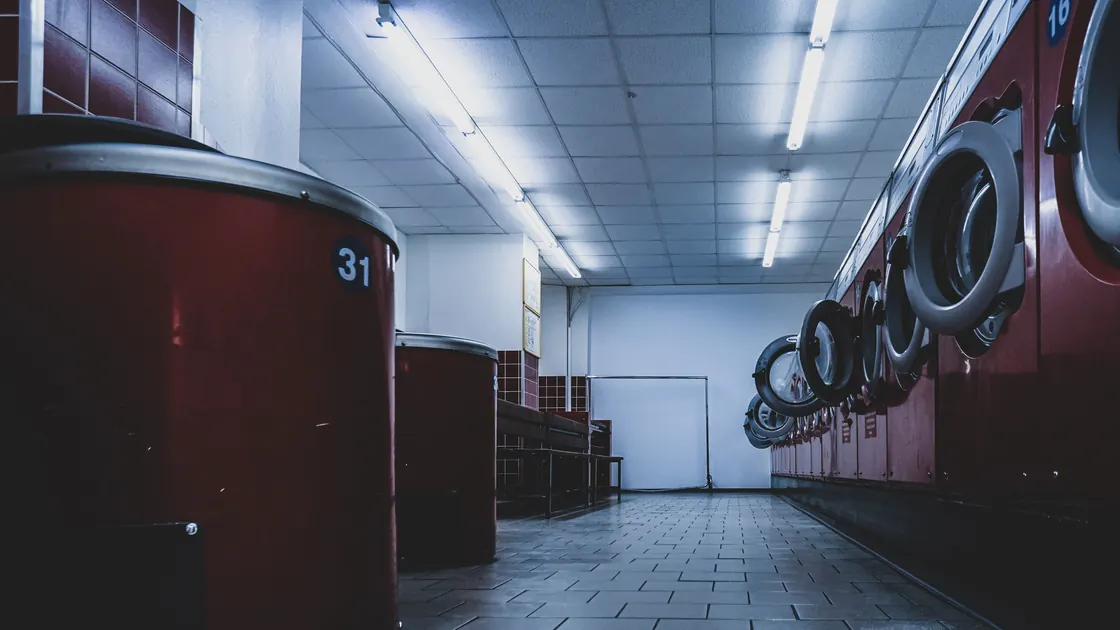

Self-service laundry in China is available in many hotels, hostels, apartment buildings, university campuses, and standalone laundromats, but access and payment depend on the venue. To use one, first identify the operator and the exact machine, read your clothing labels, confirm whether detergent is included, and review the program, price, and duration before paying. Scan only the payment or mini-program code displayed on the machine or by the venue. Keep the order page and machine number until the cycle finishes, then inspect the clothes before choosing a dryer. There is no single national laundry app or universal process: the instructions, payment methods, detergent system, refund rules, and support channel depend on the venue and operator.
Key Takeaways:
- Ask a hotel, host, dormitory, or venue employee which laundry area and operator you should use.
- Match the machine number in the payment page to the physical machine before paying.
- Do not add detergent until you know whether the machine dispenses it automatically.
- Check pockets, care labels, color transfer risk, machine capacity, water temperature, and dryer restrictions.
- Save the order record, machine number, time, and support contact until you have collected your clothes.
- Treat a locked door, failed start, duplicate charge, interrupted cycle, and damaged garment as different problems.
- Carry a backup payment method because not every machine accepts the same wallet, card, cash, or mini-program.
Self-service machines may be inside hotels, hostels, apartment buildings, university areas, shopping centers, laundromats, or shared residential facilities. Access rules vary. A machine visible on a map may belong only to residents, students, or hotel guests. Ask the venue whether visitors may use it, whether the room closes at night, and whether staff can help if the machine stops.
Bring only what you can identify and sort. Check care labels before leaving your room, especially for wool, silk, down, waterproof coatings, glued decorations, structured jackets, and anything marked for hand wash or professional cleaning. Empty every pocket. Close zippers and hooks, turn delicate printed items inside out, and place small or delicate pieces in a laundry bag if available. Separate new dark or strongly colored items when color transfer is possible.
Useful items include:
洗衣 (wash), 烘干 (dry), 洗衣液 (liquid detergent), and 客服 (customer service).Laundry payment pages and mini-programs need a working phone connection, so if you are still arranging mobile data and app access for the trip, read the China connectivity guide before you arrive.
Look for the operator name, instructions, support number, machine number, and any sign describing who may use the room. A logo on one machine does not prove that every machine nearby uses the same system. Some sites combine washers and dryers; others use separate machines. A washer-dryer label also does not guarantee that every program includes drying.
Check the drum and door before loading. Do not use a machine that contains another person's belongings, visible debris, a strong chemical smell, standing water, a damaged seal, or an error message. Ask staff or contact the displayed operator instead. Do not move a stranger's clothes unless the venue has a clear rule and staff directs you.
Choose a machine that fits the load without packing the drum tightly. Capacity labels are maximum figures, not a reason to compress bulky bedding or coats into the drum. An overloaded machine may wash poorly, fail to spin, or stop with an imbalance error.
Before closing the door:
The official U净 material shows real examples of QR-code-operated washers and dryers installed in universities, apartments, and hotels, but such examples do not define a universal process for all laundries in China.[1]
Many facilities start a session through a QR code, a mini-program, an operator app, a payment terminal, or venue staff. Scan only the code physically attached to the chosen machine or displayed by the venue. Avoid codes sent by strangers, pasted over another label, or opened from an unrelated search result.
Before confirming payment, compare:
If the details do not match, cancel before paying and ask the venue. Do not assume a low price means detergent, drying, or an additional rinse is included. Do not rely on a cleanliness or sterilization claim unless the operator clearly states what the program does; this guide cannot verify hygiene outcomes.
Use the clothing care labels and machine instructions together. A normal or standard cycle is not automatically safe for every garment. Cold or lower-temperature programs are generally a more conservative choice for mixed travel clothing, but the correct choice still depends on the fabric. Bulky bedding, down items, shoes, and heavily soiled work clothes may be prohibited or require a dedicated machine.
If the interface is unclear, photograph the instructions for translation without capturing another customer's personal information. Ask staff to identify the program rather than pressing multiple options experimentally. Market-regulation safety guidance emphasizes following product instructions, using equipment correctly, and stopping use when abnormal operation appears.[2]
Close the door firmly, start the cycle through the official interface, and watch long enough to confirm that the machine actually begins. A successful payment notification is not proof that water entered or the drum started moving.
Keep a screenshot or receipt showing the order number, amount, time, and machine number. Note the expected finish time and set your own alarm. Stay within a reasonable distance if venue rules require prompt collection. Leaving clothes for hours can inconvenience others and may expose belongings to removal under local rules.
Do not force a locked door. Many washers keep the door locked while water is present or for a short period after a cycle. If the display shows an error, record it and use the operator or venue support channel.
When the wash ends, verify that the drum has stopped and the door unlocks normally. Check whether detergent or visible soil remains and whether anything was damaged. If the load is dripping wet, the spin may not have completed; contact support before paying for a dryer simply to conceal a washer fault.
Read every care label again before drying. High heat can shrink, deform, delaminate, or damage elastic, waterproof layers, prints, wool, silk, bras, and other delicate items. Remove anything unsuitable and select a lower temperature when the operator provides one. Clean a lint filter only if the instructions tell users to do so and it can be handled safely.
Drying time varies with fabric, load size, retained moisture, machine design, and selected temperature. Do not treat the displayed estimate as a guarantee. Collect the load promptly, check the drum and door seal for small items, and count important garments before leaving.
| Problem | What to check | Who should handle it |
|---|---|---|
| Payment succeeded but the machine did not start | Order number, machine number, door closure, and displayed error | Operator support first; venue staff if access or hardware is involved |
| The app says the machine is busy | Whether you scanned the correct machine and whether a prior cycle remains active | Venue or operator; do not pay a second machine blindly |
| The door stays locked | Cycle status, remaining water, cooldown time, and error code | Operator or staff; never force the door |
| You were charged twice | Two transaction records, amounts, times, and order IDs | Operator and payment provider; do not assume one charge will disappear |
| The cycle stops midway | Power, water, error message, and order state | Operator or venue; preserve photos and the order record |
| Another person's laundry remains | Posted collection policy and staff availability | Venue staff; avoid handling belongings without direction |
| A garment is damaged | Care label, chosen program, photos before further washing, and receipt | Operator/venue and, if relevant, travel insurer; outcome is not guaranteed |
| Your usual payment method fails | Official alternate methods displayed at the venue | Use a documented backup; China's official visitor payment guide describes bank cards, mobile payment, and cash as separate channels.[3] |
Mobile payment is common, but a particular laundry may accept only its operator's mini-program, one wallet, a stored-value account, a card terminal, coins, or payment at reception. Do not assume a foreign card can be linked or that a payment account will work merely because another merchant accepted it.
For a refund request, use the support entry associated with the exact order. Provide the machine number, order ID, amount, time, displayed error, and photos or video of the machine state. The venue may control the room while a third-party operator controls billing, so you may need both. Neither a support request nor evidence guarantees an immediate refund.
Use the minimum permissions needed for the official operator flow. A laundry order should not require you to send identity documents or payment credentials to a stranger. Review the mini-program or app name before authorizing payment, and close any page that redirects to an unrelated domain or asks for remote-control access.
Keep children away from the door and controls. Do not sit on machines, insert hands into a moving drum, mix unknown chemicals, wash flammable or solvent-contaminated material, or continue using a machine that sparks, leaks, smokes, smells burnt, or shakes violently. Move away and contact staff if there is an immediate hazard.
A successful self-service laundry visit is a sequence of small checks: confirm that you may use the facility, identify the operator and machine, sort the load, determine whether detergent is automatic, match the machine number to the payment page, select a fabric-safe program, verify that the cycle starts, and retain the order record. Inspect clothes before drying and escalate faults through the operator and venue rather than forcing the equipment. Because systems differ by location, the signs on the actual machine are more authoritative than a generic online walkthrough.
No. Operators, hotels, residences, and laundromats use different apps, mini-programs, terminals, or staff-assisted payment. Follow the official instructions at the venue.
Some machines dose detergent automatically and others require the user to add it. Confirm before loading detergent; adding more to an auto-dosing machine can create excessive foam.
It depends on the venue. Some are mobile-payment only, while others accept cards, coins, or reception payment. Keep a documented backup method and ask staff before loading the machine.
No. Use only a code displayed on the chosen machine or by the venue, then verify the operator, machine number, service, and amount before paying.
Do not pay again immediately. Save the order record, confirm the machine number and door status, photograph any error, and contact the operator or venue.
Do not force it. The machine may retain water or enforce a safety lock. Follow its instructions and contact support if it remains locked or displays an error.
No. Check care labels and remove heat-sensitive, coated, elastic, wool, silk, or structured items. Use an appropriate lower-temperature program when available.
No. Cleaning and hygiene performance depend on the machine, program, detergent, maintenance, and operator claims. This guide does not certify sanitation or sterilization.
Billing usually starts with the operator shown in the order; access or hardware may involve the venue. Preserve the order, machine number, care label, program choice, and photos. Refund or compensation is not guaranteed.
Disclaimer: This guide provides general travel and equipment-use information, not a guarantee of machine availability, hygiene, program results, refunds, or garment safety. Follow the care label, machine instructions, venue rules, and official operator support. Stop using equipment that appears damaged or unsafe.
Sources checked 4 October 2026. Operator interfaces, venue rules, prices, and support processes can change; verify the instructions displayed on the actual machine before paying.
Sign up to experience all premium features at no cost.
*Available only to new users. Each user is limited to one trial.