Start your 3-day free trial
Sign up to experience all premium features at no cost.
*Available only to new users. Each user is limited to one trial.
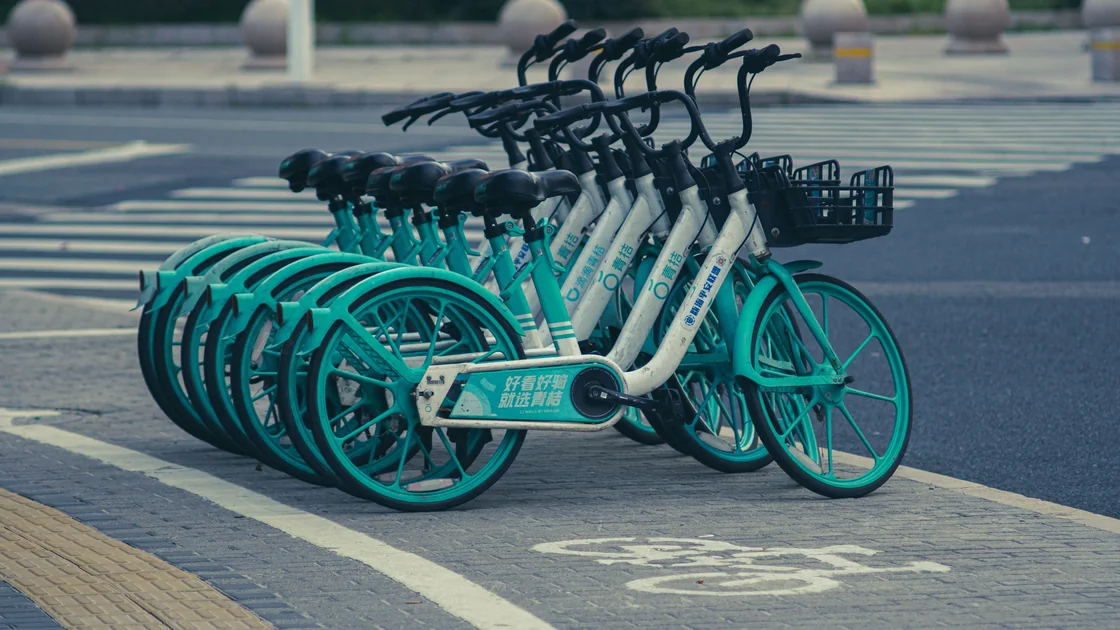

To use shared bikes in China as a visitor, activate a bicycle service through its current official app or Mini Program, inspect a normal pedal bicycle, scan it, and confirm that the lock has opened before riding. Whether you scan in a standalone app or a WeChat Mini Program, the unlock opens an order that runs until you lock and end the ride, and that order is where you check the start time, end time, and charge. Stay in bicycle lanes where provided, park only where the city and platform allow it, and confirm in the same entry that the order has closed.
Key Takeaways:
- Platforms, account checks, payment, coverage, and parking zones vary by city.
- A shared pedal bicycle is not the same service or legal category as a shared electric bicycle.
- Inspect brakes, tires, saddle, pedals, frame, lock, and nighttime visibility before unlocking.
- Follow traffic signals, ride in the bicycle lane, yield at crossings, and do not use a phone while moving.
- Parking physically possible does not mean parking permitted; check signs, markings, and the current geofence.
- After locking, confirm the ride ended and preserve the bike number and order if charging continues.
Use a service that is visibly operating in your current city and has an official entry you can verify. Shanghai's current visitor guide lists Hellobike, Meituan Bike, and Qingju Bike there, with entry through the relevant standalone apps or services inside Alipay, Meituan, or Didi.[1] That is a Shanghai example, not a nationwide platform guarantee.
Before activating anything, check:
If you enter through Alipay, use the international visitor Alipay guide for wallet setup. If you enter through a service inside WeChat, the WeChat Mini Programs guide explains how to verify the operator and permissions.
Complete account activation only through the official service. Use a phone number you control, follow the current identity prompt, and link only a payment method the service offers. Do not borrow an account or ask a stranger to unlock a bicycle; the order, charges, accident record, and support case would belong to someone else.
Plan a short first route in daylight on streets with clear bicycle facilities. Use maps and navigation apps in China to inspect distance and direction, but compare the route with actual signs. A walking route, motor-vehicle route, or park shortcut may not be legal or safe for bicycles.
Wear suitable shoes and clothing. A helmet may not be supplied with a pedal-sharing bicycle, so decide whether you can ride safely without assuming equipment will be attached. Do not carry loose bags from the handlebar, passengers on a single-rider bicycle, or luggage that interferes with steering or brakes.
Do the inspection before starting the ride:
| Part | Check | Reject the bicycle when |
|---|---|---|
| Brakes | Both levers engage and stop the wheels | A lever is loose, stuck, or ineffective |
| Tires and wheels | Tires are inflated and wheels rotate straight | A tire is flat or a wheel rubs or wobbles |
| Frame and fork | Tubes and joints appear intact | Metal is bent, cracked, or unusually loose |
| Saddle | Height adjusts and clamp holds | Seat twists, drops, or is damaged |
| Pedals and chain | Pedals turn and drivetrain engages | A pedal is missing or chain is off |
| Lock and code | Bike number and code match the order | Code is damaged, obscured, or belongs to another bike |
| Lights or reflectors | Present when riding in low light | Visibility equipment is broken or missing |
Report a damaged bicycle through the current official route and choose another. Do not unlock first and hope a serious defect will disappear. If the bicycle has a powered motor, battery, throttle, registration plate, or different activation rules, stop and confirm that you are looking at the intended vehicle category.
If the scan fails, do not type random codes or scan a sticker placed over the original code. Check camera permission, lighting, the bike number, service area, account state, and current network. Use manual bike-number entry only when the official interface offers it and the number on the frame is intact.
If the app says the bicycle is already in use or unavailable, select another. Do not force the lock or move a bicycle that belongs to someone else's active order.
China's Road Traffic Safety Law says non-motor vehicles should use bicycle lanes and, where none exists, travel on the right side of the motor-vehicle lane. It also requires parking in designated areas or, where none is marked, where other vehicles and pedestrians are not impeded.[2] Local rules add detail, so check the city where you ride.
In practice:
Shanghai's non-motor-vehicle regulations provide a city-specific example: riders must obey signals, avoid wrong-way travel, keep to the applicable lane, yield at pedestrian crossings, and not hold a phone or browse an electronic device while riding.[3] Do not present this municipal text as the exact rulebook for every city, but its safety logic is a sound minimum.
A green area on an old map is not stronger than current street signs or a live platform restriction. If the app refuses to end the ride, do not abandon the bicycle in traffic. Recheck the geofence, move only to a nearby lawful space when safe, and open support while you still know the exact bicycle and location.
| Problem | Check first | Safe next step |
|---|---|---|
| Account will not activate | Phone, identity, payment, service-area requirements | Use official help or another transport mode |
| Code will not scan | Original code, bike number, camera, light, account state | Use official manual entry or choose another bike |
| Lock will not open | App order, bike number, physical lock | Do not ride or force it; report and choose another |
| Defect appears after start | Brakes, tire, drivetrain, safe stopping point | Stop safely, end or pause as instructed, contact support |
| Crash or injury occurs | Personal safety, traffic, location, emergency need | Seek local emergency help and preserve the order record |
| App rejects parking | Live geofence, signs, marked area | Move to a nearby lawful zone if safe |
| Ride keeps charging | Lock position, end status, bike number, location | Open order-scoped support and preserve evidence |
Activation, scanning, and ending a ride all depend on mobile data, so settle your SIM or roaming setup with the China arrival connectivity guide before the first ride.
If the digital service remains inaccessible, walk, use public transport, take an official ride-hailing service, or rent from a staffed bicycle shop that can explain the equipment and return terms. Do not ask a passerby to unlock a bicycle on their account.
Possibly, but phone, identity, payment, and service-area support vary by platform. Test the official activation path before planning a trip that depends on a bicycle.
Some services offer an Alipay entry in supported cities. Availability and menu labels can change, so verify the operator and current bicycle service before granting permissions or paying.
Not automatically. Pedal bicycles and electric bicycles can have different services, equipment, age rules, registration, helmet, and road requirements. Confirm the vehicle category before activation.
Requirements depend on vehicle type and local rules. Shanghai, for example, requires electric bicycle riders and passengers to wear safety helmets, while a pedal-sharing bike may not supply one.[3] Check the city and platform rules and choose the safer option for the route.
Treat the order as the record. Whether you unlock in a standalone app, inside Alipay, or through a WeChat Mini Program, the service opens an order at unlock and should close it when you lock. Open the order or trip history in the same entry to check the start time, end time, duration, and charge, and take a screenshot if anything looks wrong.
No. Follow current street signs, marked parking, pedestrian access, and the live platform zone together. Do not block sidewalks, tactile paving, doors, transit exits, or traffic.
Confirm that the physical lock closed and the order ended. Preserve the bike number, time, location, and order state, then use the official support route rather than opening another ride.
Do not carry a passenger unless the bicycle and local rules expressly allow it. Ordinary shared pedal bicycles are generally designed for one rider, and an extra passenger affects steering and braking.
Do not hold or read the phone while moving. Stop in a safe legal place to check directions, then put the device away before continuing.
Disclaimer: This guide provides general visitor and road-safety information, not legal advice. It does not guarantee platform access, phone or payment support, bicycle condition, service coverage, parking acceptance, fees, refunds, or a particular local rule. Follow current national and local traffic requirements, street signs, platform terms, and official instructions.
Sources checked 4 October 2026.
Sign up to experience all premium features at no cost.
*Available only to new users. Each user is limited to one trial.