Start your 3-day free trial
Sign up to experience all premium features at no cost.
*Available only to new users. Each user is limited to one trial.
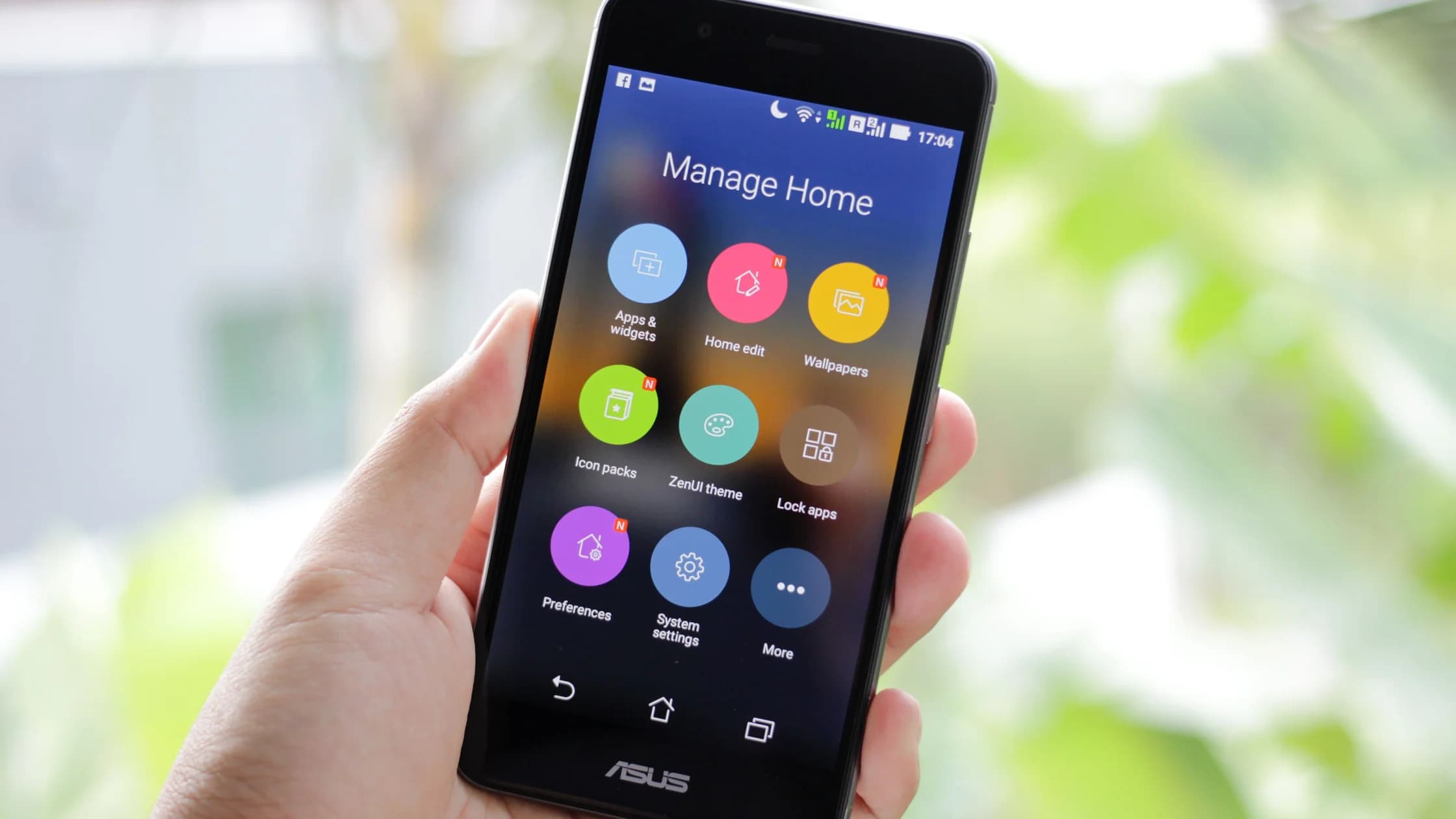

When you find Google Play apps not downloading or updating, first check whether one app, several apps, or the Play Store itself is failing, then follow Google’s basic order: connection, storage, Android system updates, a Play Store and device restart, and automatic date and time.[1] If new installs work but only updates are stuck, check the Play Store auto-update settings next. Keep account country, payment, compatibility, and app availability separate from a stuck download queue.
Key Takeaways
- Compare one app with several apps before clearing Play Store data.
- Check Wi-Fi or mobile data, storage, date and time, Android updates, and a restart first.
- A single app may be unavailable for the device even when the Play Store is healthy.
- Clear cache before data; clearing data can remove Play Store settings such as parental controls and password protection.
- A Google Play country change is an account task, not a general download repair.
For a broad Android network failure, start with the device and app troubleshooting guide. If mobile data alone fails, use Android mobile data troubleshooting. This guide focuses on Google Play downloads, updates, and the Play Store app.
Search for a small, unrelated free app and compare it with the affected app. If only one app fails, open its listing and check whether it is available for the device. Google says that an app marked unavailable for your device cannot be downloaded.[2] If several apps remain at “Pending,” “Downloading,” or 0%, continue with the shared connection, storage, time, and Play Store checks.
Also check whether the Play Store app itself opens. A store-app failure and an individual download failure need different recovery steps. Keep the exact message and time, and avoid removing a Google Account before confirming that its recovery method and important data are backed up.
Run these checks in order:
Do not change country, DNS, VPN, or account settings before these comparisons. A different network route cannot replace storage, device compatibility, payment verification, or Google Account eligibility.
Open the app’s Play Store page and read its compatibility message. The app may require a different Android version, screen capability, hardware feature, or device certification. It may also be unavailable in the account’s country or removed by the developer.
If the app previously worked, check whether it is already installed, disabled, or waiting for an update. Google’s one-app guidance allows uninstalling and reinstalling the app, but back up local drafts and offline files first.[2] Reinstalling cannot make an incompatible or unavailable app supported.
If the message refers to country or region, use the existing Google Play country guide. That guide handles account country, payment profile, family group, balance, subscriptions, and content availability; this article handles the download queue. Do not promise that a VPN changes any of those account requirements.
When several apps fail but the device has internet and storage, check the Play Store version. On many devices, open Play Store, tap the profile picture, choose Settings → About, and tap Update Play Store when available. Google also documents uninstalling Play Store updates from App info and then updating it again.[2] OEM labels can differ, so describe the visible control rather than assuming one menu path.
Clear the Play Store cache before clearing its data. Google describes cache clearing as a common fix, but clearing cache and data can remove settings such as parental controls and password protection and may require agreeing to the Terms of Service again.[3] Record those settings and re-enable them after testing.
Do not clear Google Play services data as a first step. Google warns that it can remove saved information, including some Google Pay cards, and may require payment reauthentication or signing in again on devices.[3] Use it only after the ordinary checks and Play Store cache path fail, and back up anything important first.
When new installs work but updates sit in the queue, check how Play Store is allowed to update apps. Open Play Store, tap the profile icon, then Settings → Network preferences → Auto-update apps; if it is set to Update over Wi-Fi only, updates wait until the device joins Wi-Fi.[4] To update now, open Manage apps & device, go to Updates available, and tap Update for one app or Update all.[4]
If one app never updates automatically, open its Play Store page and confirm that auto-update is enabled for that app. Google also notes that a sign-in error on any account on the device can stop automatic updates, and that some updates ask for new permissions before they install.[4] If manual updates also stall, return to the connection, storage, and Play Store checks above.
Keep account changes late in the ladder. Removing an account can remove information from the device, so confirm your backup, recovery phone or key, two-factor method, and any work or school requirements before proceeding. If another account can download the same app on the same device, the account or eligibility layer deserves attention; if every account fails, return to device, network, storage, or store-service checks.
Account country and payment rules are not a network workaround. If the issue is a country profile, use the country guide and follow the platform’s rules. If the issue is a billing or purchase verification message, use Google’s official account and payment support rather than changing the network path.
Google lists factory reset only after the advanced Play Store steps fail.[3] Treat it as a last resort: back up personal data, confirm account recovery, and verify that the problem is not a service outage, device-compatibility rule, or account restriction. If only one app is unavailable, a reset cannot make it compatible.
Contact Google Play or the device manufacturer with the app name, Android version, device model, exact error, account scope, storage state, network comparison, and steps already tried. Remove passwords, payment details, recovery codes, and private identifiers from screenshots.
The queue may lack a stable connection, storage, correct time, current system, or healthy Play Store state. Check those layers in order and compare another app before clearing data.
The app may be unavailable for the device, Android version, account country, or developer distribution. Read the app listing before treating it as a store-wide problem.
Google warns that less than 1 GB available can stop downloads or installs. Keep additional working space for updates and temporary files rather than checking only the app’s listed size.
Clear cache first. Clearing data can remove Play Store settings such as parental controls and password protection and may require accepting the Terms of Service again.
It can remove saved information and require payment reauthentication or account sign-in. Use it only after other official troubleshooting steps and back up important data first.
A VPN cannot fix storage, compatibility, country, payment, family-control, or account rules. Test the ordinary network first and keep account issues in the platform’s support path.
Only when your account country is genuinely changing and you meet the platform’s requirements. A country change is not a general fix for a stuck queue and can affect balances, subscriptions, and content.
Only after backups, account recovery, compatibility, service, network, storage, and Play Store steps are exhausted and official support recommends it. A reset cannot make an unavailable app compatible.
Disclaimer: This article is for general informational purposes only and does not constitute legal, technical, or other professional advice. We make no guarantees regarding the accuracy, completeness, or timeliness of the content.
Sources:
Sources checked 4 October 2026.
Related Articles:
Sign up to experience all premium features at no cost.
*Available only to new users. Each user is limited to one trial.