Start your 3-day free trial
Sign up to experience all premium features at no cost.
*Available only to new users. Each user is limited to one trial.
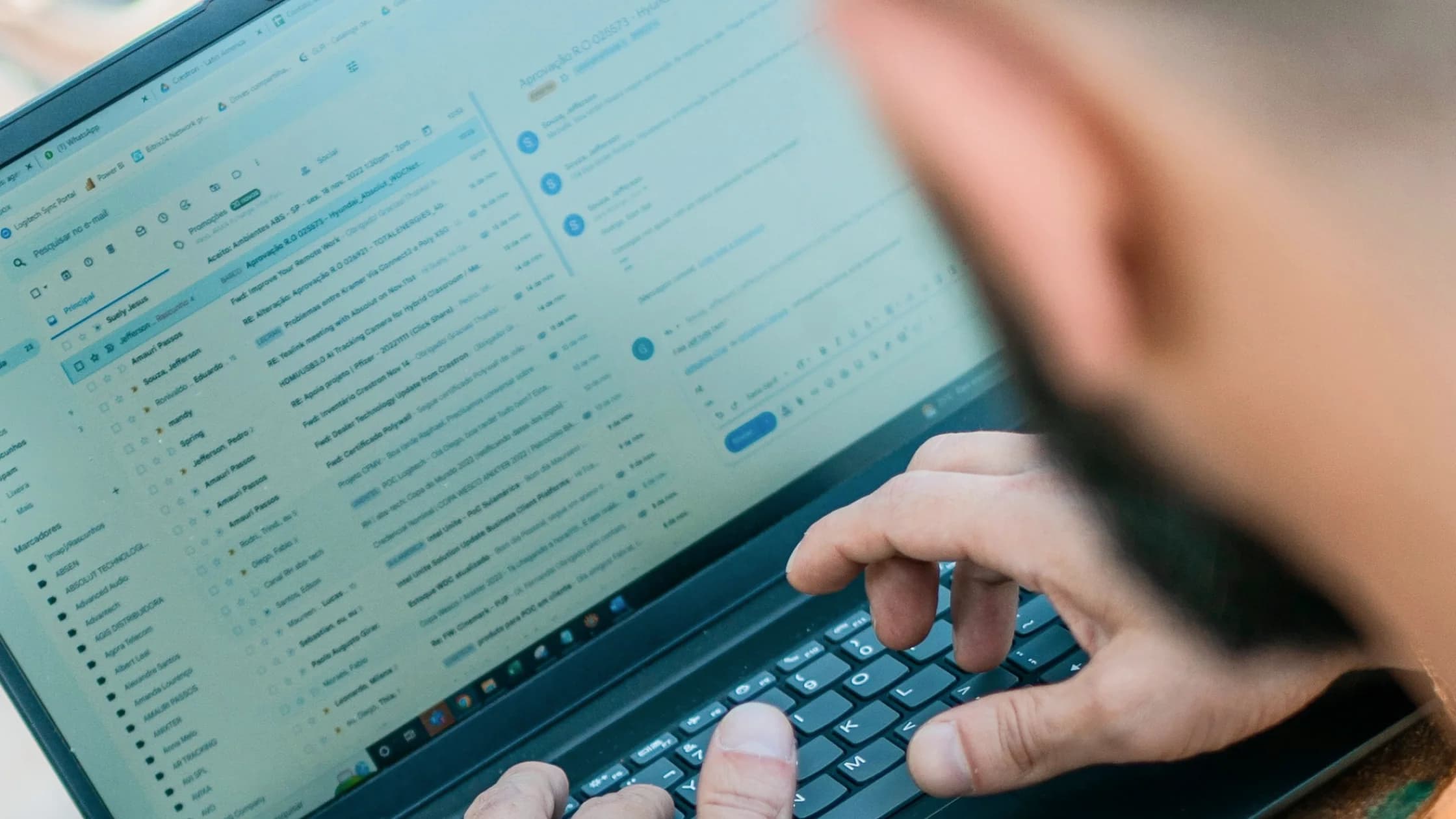

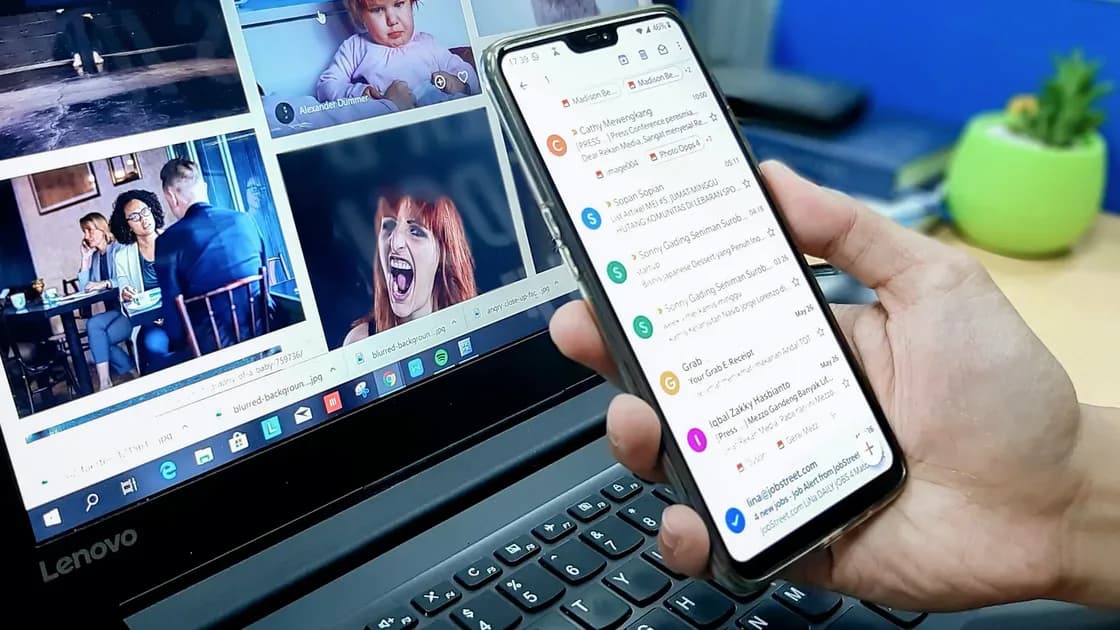
If you are asking how to protect your email, start with the practical truth: email is not just another account. It is the recovery hub for many other accounts. If your inbox is taken over, social platforms, shopping accounts, cloud storage, bank alerts, and work tools can all be pulled into the same reset chain.[1][2][3]
Use the digital privacy guide as the wider checklist: it connects this issue to accounts, devices, identifiers, and data-broker exposure.
So email security is not only about avoiding spam. The first priorities are passwords, MFA, recovery methods, aliases, login alerts, and rule checks.
If you are reducing email exposure, read what email masking is and when to use a hidden address instead of your main inbox.
Key Takeaways
- Email is the recovery core for many accounts, so compromise can spread quickly.[1][2]
- Strong passwords and MFA are essential, but recovery email, recovery phone, and login alerts matter too.[1][3][4]
- Email aliases and hidden addresses are useful for sign-up separation; your main inbox should not be exposed everywhere.[5]
- If something looks wrong, secure the inbox first, then check other accounts. The order matters.[1][4]
- More spam does not automatically mean hacking, but unknown logins, strange rules, auto-forwarding, and changed recovery details need immediate review.[1][2]
Because it often decides:
If an attacker controls the inbox first, they may not rush to change it. They may simply wait for you to use "forgot password" somewhere else.
CISA emphasizes strong passwords and password managers. Your email password should not be reused on social networks, forums, shopping sites, or any other service.[3]
If one site leaks credentials, the inbox is the most valuable next target.
Google and CISA both recommend 2-Step Verification or MFA for important accounts.[1][4] Email should be near the top of that list.
If your provider supports security keys or a strong authenticator app, those are usually better than SMS alone.[1]
Many people enable MFA but forget the recovery path. If the recovery email or phone number is old, inactive, or no longer controlled by you, account recovery becomes weaker. This matches public account security guidance that recommends reviewing recovery and security settings regularly.[1][2]
Google's account security page provides recommended actions and abnormal-activity alerts.[2] These alerts help you notice an attempted takeover earlier.
This is easy to miss. Attackers may not change the password right away. They may create forwarding rules, hide warning emails, or archive verification messages automatically. Gmail supports forwarding and filters, so these settings deserve a close look when something feels off.[7]
If you expected alerts but never saw them, check this area.
Use your main email for banks, work, and core identity accounts. Avoid giving it to trials, giveaways, unknown sites, and one-time downloads.
Apple Hide My Email is one example of a random-address feature for this kind of separation.[5] The goal is not perfect anonymity. It is reducing how often your main inbox appears in leaks and marketing lists.
Email access is not limited to the web inbox. Desktop clients, old phones, browser extensions, and forwarding services may keep access for a long time. Removing unused devices and permissions reduces the risk of old entrances coming back to life.[2][6]
The most dangerous sign is usually not more spam. It is a change in account control or mail flow.
Use the provider's official recovery path. Do not spend all your energy on social or shopping accounts first, because email is often required to recover them.[1]
If the provider shows devices, sessions, or recent activity, remove anything unfamiliar. Changing only the password is often not enough.
Review:
Pay special attention to social media, cloud storage, payment tools, and work accounts. Their reset flows may already have been touched.
If social accounts might be involved, read how to protect social media accounts from hackers.
Yes, but it solves exposure management, not account defense. Features such as Apple Hide My Email let you register with random addresses while keeping your main inbox private.[5]
They are useful because they can:
They do not replace strong passwords and MFA.
Unsubscribing, clearing spam, and moving to a new address can help, but they are not the first priority.
Start with:
If spam is the immediate problem, read how to stop getting spam emails by tightening the main entry points (2026).
If you can do only one thing first, turn on MFA. The stronger setup is a unique password, MFA, and correct recovery details together.[1][3][4]
Not by itself. Recovery email, forwarding rules, and old device authorizations are often overlooked.
Not necessarily. But if it comes with login alerts, strange sent mail, or changed settings, check immediately.[1][2]
Not completely. It is best for reducing exposure and separating sign-ups, not for replacing core identity accounts.
Because email is often the key to recovering everything else. If the inbox is still compromised, other accounts can keep falling.[1]
The core principles are similar, but work email may involve company devices, admin policies, and team permissions, so the blast radius is often larger.
Disclaimer
This article is for general digital security education and does not constitute platform recovery, corporate compliance, or legal advice. Security options and recovery flows vary by email provider.
AethoVPN publishes this guide, but a VPN connection cannot resolve the issue discussed here: protect email account.
Sources
Sources checked 8 May 2026.
Related Articles:
Sign up to experience all premium features at no cost.
*Available only to new users. Each user is limited to one trial.