Start your 3-day free trial
Sign up to experience all premium features at no cost.
*Available only to new users. Each user is limited to one trial.
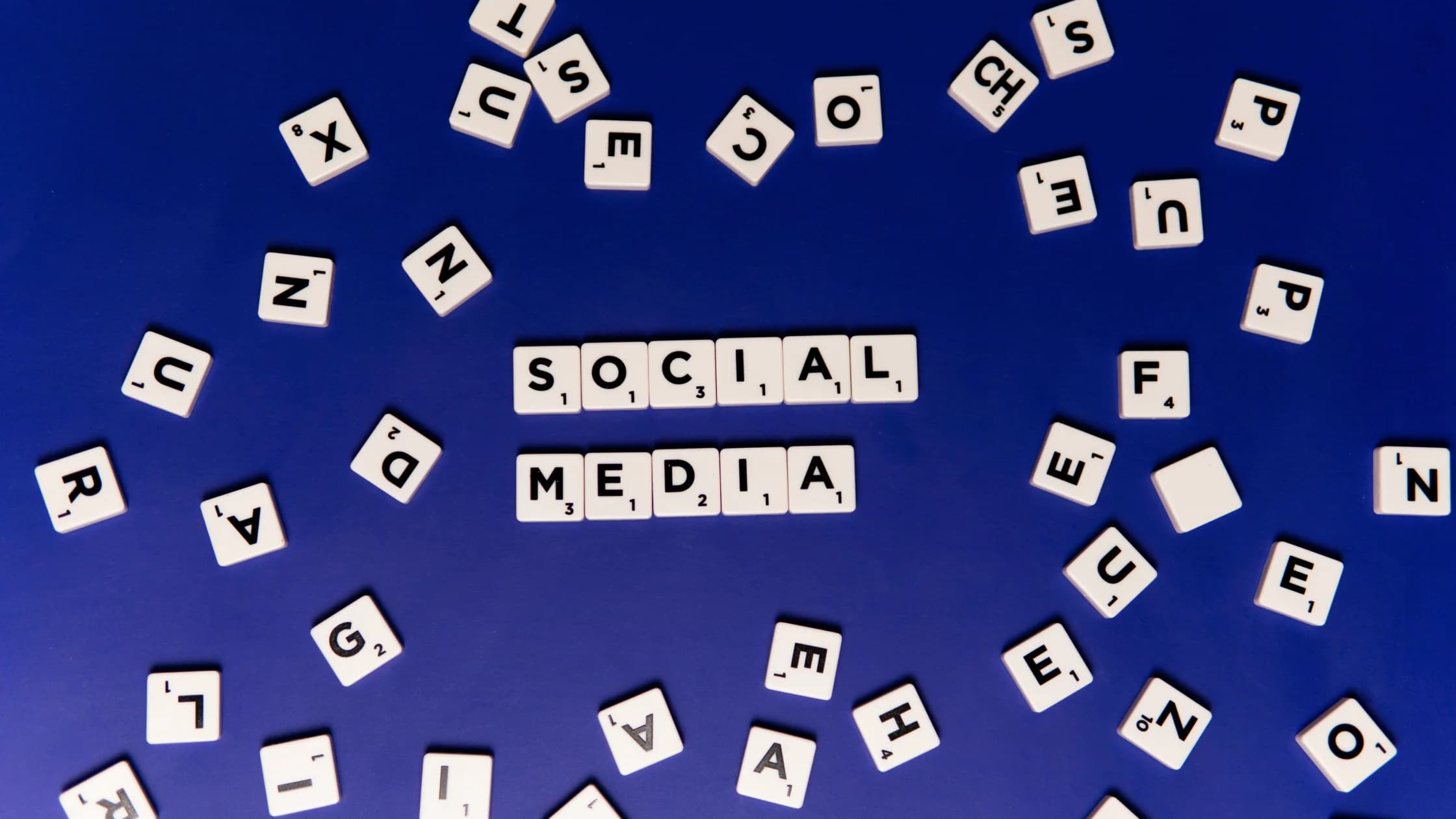

Social media censorship is not just a post being removed. It can mean a platform downranks content under its rules, a government orders an app blocked, keywords are restricted, mobile networks are cut off, or an entire region loses normal communication during an election, protest, or conflict.
The most dangerous part is timing: censorship often appears when the public needs information most. Access Now and #KeepItOn recorded at least 296 internet shutdowns across 54 countries in 2024, the worst year on record.[1]
If you care about broader online privacy and visibility, start with what online anonymity means.
Use the digital privacy guide as the wider checklist: it connects this issue to accounts, devices, identifiers, and data-broker exposure.
Key Takeaways
- These restrictions include post removals, account bans, throttling, keyword filtering, platform blocks, and regional shutdowns.
- Global internet shutdowns reached a record level in 2024, with conflict remaining one of the main triggers.[1]
- Censorship affects more than speech. It also disrupts emergency help, healthcare, news, finance, and contact with family.
- A VPN can help bypass some network-level blocks, but it cannot remove legal, platform, or personal safety risks.
These controls happen in several layers.
| Form | Who may apply it | Typical signs |
|---|---|---|
| Content removal | Platforms, regulators | Posts removed, comments hidden |
| Account restrictions | Platforms | Muting, bans, reduced recommendations |
| Keyword filtering | Platforms, network layer | Search fails, posts do not publish, content is auto-collapsed |
| App or website blocking | ISPs, government orders | WhatsApp, Telegram, X, or Facebook becomes unreachable |
| Local or national shutdowns | Governments, armed groups, cooperating providers | Mobile networks, broadband, or regional connectivity is interrupted |
These layers often stack: throttling first, platform blocking next, and then a broader shutdown during sensitive periods.
Social media has become infrastructure for organizing, reporting, requesting help, and preserving evidence.
During elections, protests, conflicts, exams, and public safety incidents, controlling social media means controlling the flow of information. Access Now's 2024 report says conflict-related shutdowns remained one of the leading triggers for the second year in a row.[1][2]
That is why calling it "just an app problem" understates the harm. For many people, a shutdown means:
They are not the same thing.
Moderation can be used to handle spam, scams, harassment, child safety issues, or credible threats of violence. The problem starts when rules are opaque, appeals are difficult, political pressure shapes enforcement, or standards are applied inconsistently. At that point, moderation can turn into censorship.
Ask four questions:
Without those guardrails, a platform can become part of information control.
In disasters, conflicts, protests, and public health events, people often use social media to confirm that loved ones are safe, find safe routes, and contact help.
Shutdowns make rumors harder to correct and make reliable information harder to reach. The UN Human Rights Office also treats internet shutdowns as measures that can affect human rights, public safety, and access to information.[3][4]
When uploading photos, videos, and livestreams becomes difficult, the outside world has a harder time seeing what is happening on the ground.
That affects accountability and makes vulnerable groups easier to ignore.
Many small merchants rely on social media for orders, support, payment notices, and logistics updates. Blocking social platforms is not only a speech issue; it can directly hit income.
Even without a formal account ban, people may stop discussing public issues because they fear consequences.
That silence is hard to measure, but it can reshape public conversation for years.
First, bypassing a block does not mean there is no risk. Laws differ by region, and personal circumstances matter.
Stronger preparation includes:
If you are asking who can see your browsing activity, read how to hide internet activity.
A VPN can help you:
A VPN cannot guarantee that:
A VPN is a tool, not a shield against every risk.
No. Platforms may also limit visibility because of rules, business pressure, policy demands, or algorithm design. Government orders and ISP cooperation usually make the impact much broader.
It can be. If content is not removed but is systematically made less visible, and the rules are opaque or appeals are difficult, it can function as censorship.
A social media block usually targets specific platforms. A shutdown can affect mobile networks, broadband, or connectivity across an entire region, so the impact is wider.
No. Some networks block VPN protocols or servers, and a severe shutdown may prevent a VPN from connecting at all.
Safety depends on local law, the network environment, device security, and your account behavior. A VPN encrypts the connection, but it does not remove real-world risk.
Usually not. Removing scams, malware, harassment, and credible threats is moderation. The dispute is whether rules are transparent, proportionate, and appealable.
No. Keep phone numbers, email, encrypted messaging options, or offline contact methods so one blocked platform does not cut you off.
Disclaimer This article provides general digital rights and cybersecurity information and does not constitute legal advice. Rules on VPNs, encrypted communications, and social platform access vary by region. Please understand your local legal risks.
AethoVPN can handle the network path in “Social media censorship: 2026 Guide”, but not its non-network requirements.
Sources
[1]Access Now Internet Shutdowns in 2024 [2]Access Now Lives on hold report page [3]OHCHR Internet shutdowns and human rights [4]UN Human Rights Council A/HRC/47/24
Sources checked 8 May 2026.
Related Articles:
Sign up to experience all premium features at no cost.
*Available only to new users. Each user is limited to one trial.