Start your 3-day free trial
Sign up to experience all premium features at no cost.
*Available only to new users. Each user is limited to one trial.
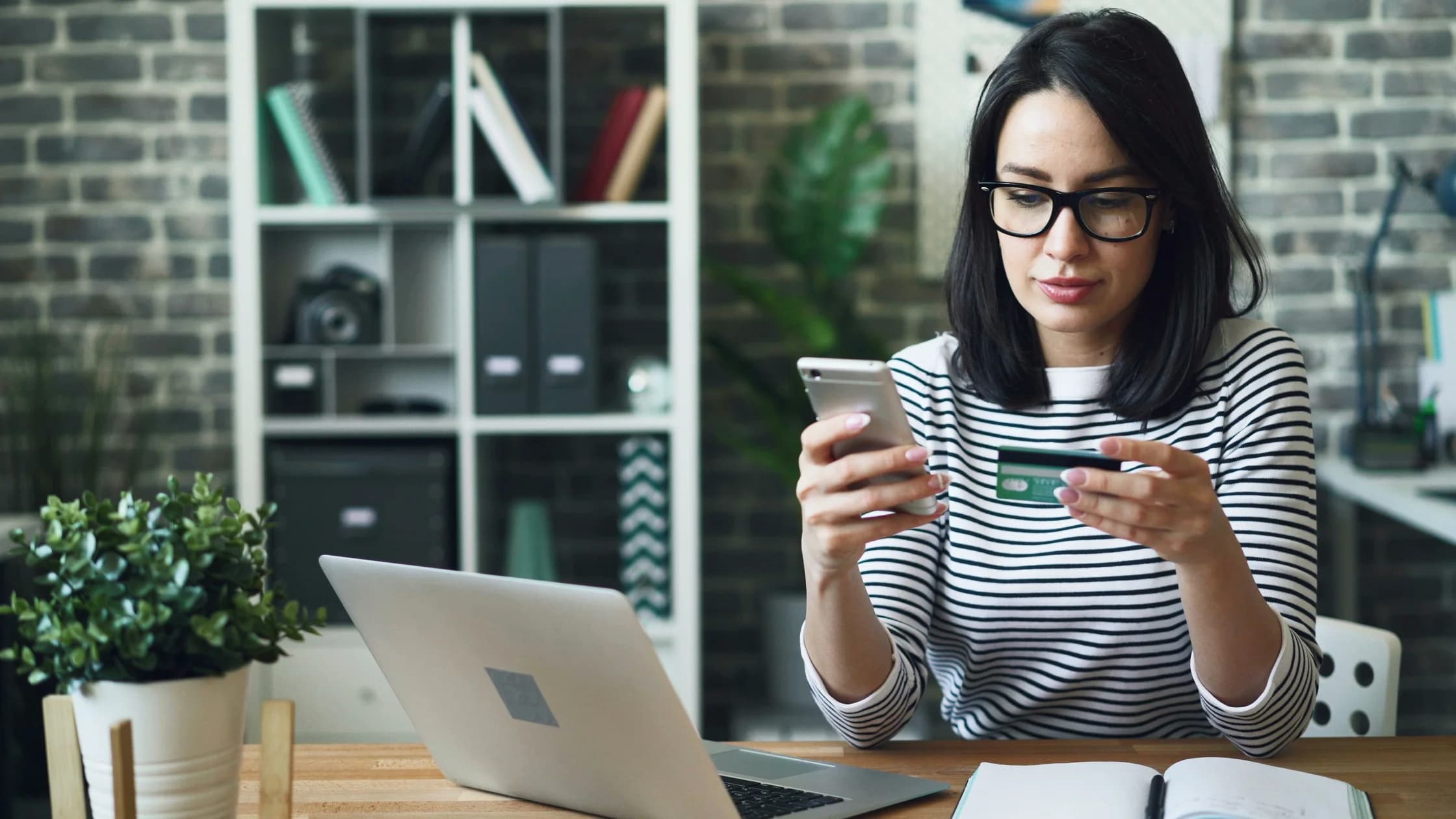

Is a VPN safe for online banking? In most cases, yes, especially when you log in from hotels, airports, coffee shops, or other low-trust networks. A VPN encrypts the connection between your device and the VPN server, reducing local network observation and connection-signal exposure.[1][2]
But it is not an online banking master switch. If you log in to a fake bank site, install a fake banking app, or give a scammer your password and verification code, a VPN cannot fix that.[3][4] The safer approach is to use the VPN for the network layer while also using MFA, transaction alerts, software updates, and anti-phishing habits.
Use the online security guide as the baseline: it connects this risk to account, device, browser, and network hardening.
Key Takeaways
- A VPN is usually safer than a bare connection for online banking, especially on public Wi-Fi and while traveling.[1][2]
- A VPN mainly protects the transport path: local network observation, and some DNS or connection-signal exposure.[1][5]
- It does not stop phishing sites, social engineering, malware, fake banking apps, or password reuse.[3][4][6]
- If your login location, device, or IP profile changes after using a VPN, your bank may ask for extra verification. That is risk control, not proof that VPNs are unsafe.[7][9]
- The safer stack is: official app or website + reliable VPN + MFA + account alerts + updated devices.[2][4][7]
The short answer is: a reliable VPN makes the online banking connection safer, but it only protects data in transit. It cannot protect you from entering credentials in the wrong place.
Online banking safety has two layers:
A VPN helps the first layer. It has limited value for the second.
| Scenario | Is a VPN safer? | Why |
|---|---|---|
| Logging in from a hotel, airport, or coffee shop | Usually yes[1][2] | It encrypts traffic between your device and the VPN server |
| Logging in from home or cellular data | Helpful, but less critical | The network is usually more trusted than public Wi-Fi |
| Visiting a fake bank site | Mostly powerless[3] | If you give the password to a scammer, the tunnel cannot save it |
| Device already infected with malware | Powerless[4] | The problem is on the device, not in transit |
| Traveling or using a foreign VPN node | May trigger extra verification[7][9] | Banks may treat a new location, device, or IP as unusual |
This is the clearest benefit. The FTC and CISA both warn that public Wi-Fi should not be trusted by default, especially for sensitive accounts.[1][2] A VPN wraps the connection between your device and the VPN server, reducing what other devices on the same local network can observe.
If you often work from hotels, airports, or lounges, this is worth doing. For the basic risk model, read Should you use a VPN on public Wi-Fi?.
Mozilla explains that with a poorly designed VPN, DNS requests can leak outside the protected path; a reliable VPN tries to keep those requests inside the protected route.[5] For banking, that means the local network has less direct visibility into sensitive domains you are contacting.
Many real incidents are not about someone watching the connection. They are about the user entering the wrong place or the device being compromised.
CISA's warning on phishing and social engineering is direct: attackers often exploit urgency, fear, and "account problem" messages rather than complex vulnerabilities.[3]
If you open a fake bank link, a VPN only sends the wrong action through a safer tunnel. Use bookmarks or the official app, check domains, and avoid login links from SMS or email. For a full method, see How to recognize phishing attacks.
CISA recommends updating software because patches fix known security gaps.[4] If your phone or computer already has malware, the problem is inside the device. A VPN cannot stop malware from reading the screen, stealing codes, or controlling a session.
So online banking security is not just "VPN or no VPN." It also means:
CISA also emphasizes strong passwords and MFA as core account protection.[6][8] If you reuse a banking password or hand over a verification code, a VPN cannot supply identity protection for you.
This is not proof that the VPN is unsafe. It is usually fraud detection.
Banks commonly respond to unusual login patterns, new devices, location changes, and suspicious transactions with alerts or extra verification. Chase and Bank of America both describe security alerts and account notifications for unusual activity.[7][9]
Extra verification is normal when:
The right interpretation is: a VPN improves connection security, but it may also change the login profile your bank sees. Extra verification is often normal risk control.
Do not enter from SMS, email, or search ads. For banking, the correct entry point matters more than whether the VPN is on.[3]
If you are at a hotel, airport, coffee shop, or shared office, connect the VPN before opening the bank app or site.[1][2]
Do not jump from the UK today to Japan tomorrow to the US the next day. Frequent node changes are not automatically dangerous, but they can look unusual. The goal is stability, not distance.
MFA adds a second barrier if a password leaks. Alerts help you spot unusual logins, transfers, or profile changes earlier.[7][8][9]
Checking balances and statements on public Wi-Fi with a VPN is usually reasonable. For large transfers, phone-number changes, or password resets, prefer your home network or cellular data.
| Action | Why it matters |
|---|---|
| Use only the official app or manually typed site | Avoid phishing pages[3] |
| Turn on VPN before banking on public Wi-Fi | Add connection encryption[1][2] |
| Enable MFA | Add a second barrier after password theft[8] |
| Enable account and transaction alerts | Detect unusual logins or transfers earlier[7][9] |
| Keep system and browser updated | Reduce known vulnerability exposure[4] |
| Use long, unique passwords | Reduce credential stuffing and reuse risk[6] |
This is why a VPN is one tool in the banking security toolkit, not the whole toolkit. For more on VPN limits, read Can a VPN protect you from hackers?.
Before a trip, make sure your bank’s official travel-notice and alert options are configured, and keep a recovery method that does not depend on one local SIM. When you sign in abroad, use the official app or type the bank address yourself, complete any verified captive portal first, and connect the VPN before opening the account. A stable server choice can reduce unnecessary location changes, but it cannot override a bank’s fraud controls.
If the bank asks for extra verification, follow the instructions in the official app or on a known support channel. Do not disable MFA, share a one-time code, or switch through many locations just to force a login. For a high-risk transfer or password change, use trusted cellular data when possible and postpone the action if the network or device behaves strangely.[1][2][7][9]
The public Wi-Fi safety guide covers the connection decision. If you suspect that you already joined a copied hotspot, use the after-suspicious-Wi-Fi checklist before returning to the bank account.
Usually not directly, but it may trigger extra verification, SMS confirmation, or temporary risk checks because banks watch unusual login profiles.[7][9]
You can use one, but it is usually less critical than on public Wi-Fi. At home or on cellular, a VPN is an extra layer; at hotels and airports, it matters more.[1][2]
If you are on an unfamiliar network, the connection is safer. But a VPN does not verify the recipient or stop mistakes on fake bank sites.
Because location, network, device, or behavior changed. The bank may ask you to confirm the login. The VPN may be one factor, not the only one.[7][9]
Not forgetting the VPN. The bigger mistakes are opening fake links, installing fake apps, reusing passwords, or giving verification codes to someone else.[3][6]
No. A VPN lowers connection exposure on unsafe networks, but it cannot stop social engineering or transfers you authorize by mistake. For response steps, see Can you get money back after a bank scam?.
On low-trust networks, turn on the VPN first, then use the official app or manually typed website, with MFA and alerts enabled. That stack beats any single action.[2][8][9]
Disclaimer: This article is for general digital safety education only and does not constitute banking, payment, legal, tax, or compliance advice. Bank risk rules, login policies, and exception handling differ; follow official bank notices for account freezes, unusual transactions, or transfer limits.
In “Is a VPN safe for online banking”, treat AethoVPN as one VPN option rather than a guarantee of access, speed, compatibility, or results.
Sources:
Sources checked 8 May 2026.
Related Articles:
Sign up to experience all premium features at no cost.
*Available only to new users. Each user is limited to one trial.