Start your 3-day free trial
Sign up to experience all premium features at no cost.
*Available only to new users. Each user is limited to one trial.

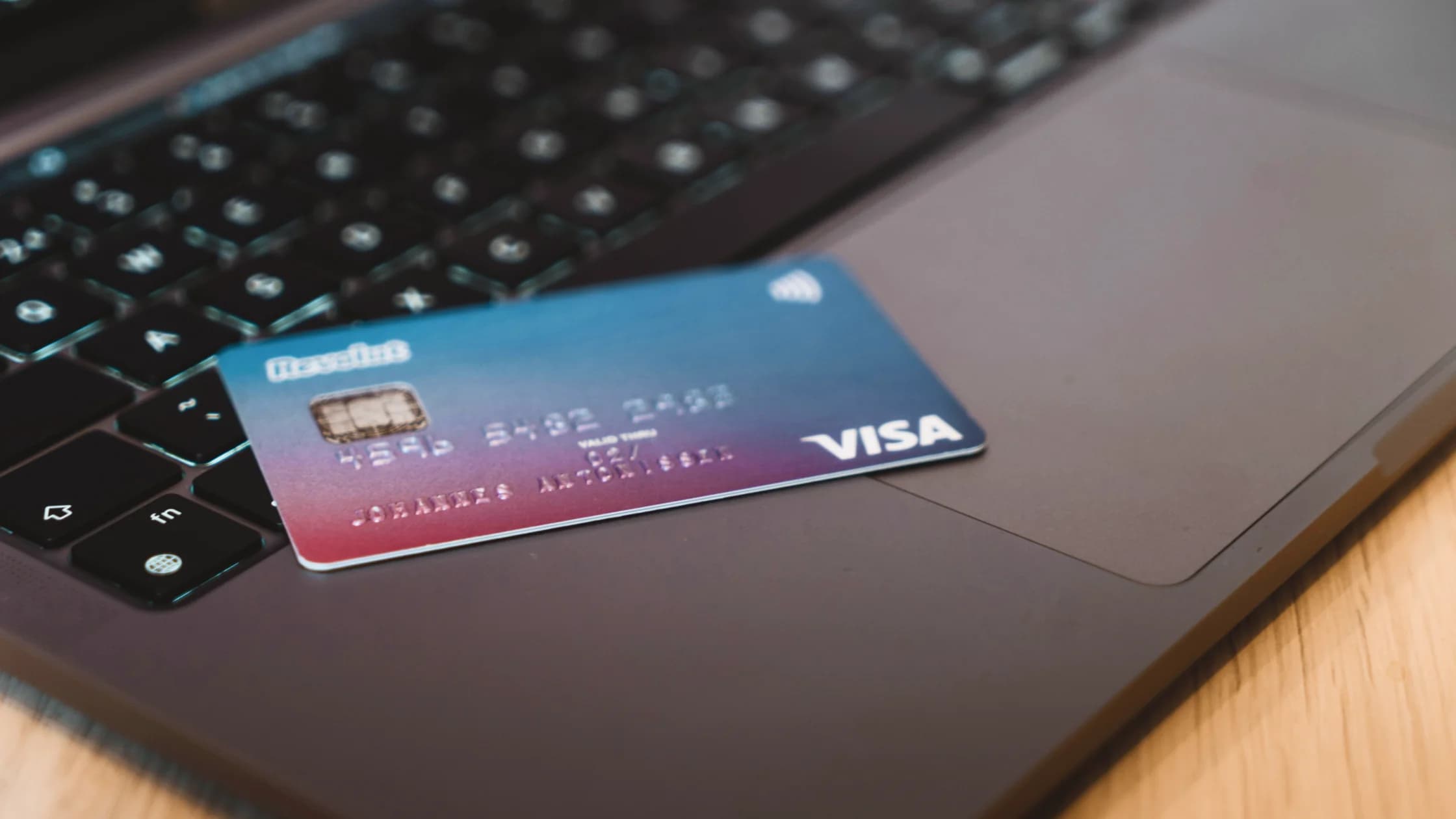
Here is the answer: what is carding refers to criminals using stolen credit or debit card information to test whether a card works, make unauthorized purchases, load prepaid balances, buy gift cards, or resell the card data. For victims, the worst part is often not one huge charge. It is the small test transactions you almost ignore.[1][2][3]
Many people think card fraud only happens when the physical card is stolen. In reality, the more common path is that the card number, expiration date, security code, or related account details are exposed first, then used for online payment, account takeover, or further identity theft.
If you want to understand the bigger personal data exposure chain, start with the main types of identity theft.
Use the digital privacy guide as the wider checklist: it connects this issue to accounts, devices, identifiers, and data-broker exposure.
Key Takeaways
- Carding is a common form of financial fraud that uses stolen card details for unauthorized purchases.[1][2]
- Common entry points include phishing, data breaches, skimming, account takeover, and leaked card records.[1][2][4]
- Criminals often start with small tests, then move to larger purchases or resell the data.[2][3]
- The warning signs to watch are unfamiliar small charges, verification texts, transaction alerts, and changed account details.[3][5]
- The right first response is to freeze or report the card, review transactions, change passwords, and preserve evidence.
It usually means an attacker has illegally obtained card information and uses it to complete unauthorized transactions.
The U.S. OCC defines credit and debit card fraud plainly: unauthorized use of another person’s card or card information to make purchases or withdraw funds. Common methods include stolen cards, online misuse of card data, and skimming.[1]
In other words, carding is not one technique. It is a process from “getting card data” to “turning it into money.”
Common sources include:
Criminals do not always begin with a big order. They often start with a tiny charge to see whether the card is active and whether fraud controls block it.
Gift cards, prepaid cards, and resellable electronics are common targets. The goal is not to “buy something useful.” It is to turn your card details into transferable value quickly.[1][2]
That is why small suspicious charges matter. Every extra day gives the attacker more time to reuse or resell the data.
| Leak source | Common sign | Why it is dangerous |
|---|---|---|
| Data breach | Strange transactions after using a merchant or platform | You often do not know you were exposed |
| Phishing | You entered card data, security codes, or one-time passwords | The scammer gets usable details directly |
| Skimming | ATM, gas pump, or POS device was tampered with | Physical cards can still be compromised[2] |
| Account takeover | Email, banking app, or payment account is logged into | The account may be controlled, not just the card |
| Stolen phone or malware | Text codes, wallet alerts, and bank notifications are visible | Damage control becomes slower |
If you clicked a suspicious link, read what to do after clicking a phishing link.
Watch for these signs:
Do not dismiss a tiny test charge. Many larger losses begin with a $1 or $2 probe.
The FTC’s advice is direct: if a card is lost, stolen, or possibly used without authorization, contact the issuer right away. Faster is better.[3]
Check the last few days or weeks, especially unfamiliar merchants, late-night purchases, and repeated charges.
Do not stop at the card. Email, banking apps, shopping accounts, and mobile carrier accounts should be reviewed too.
The FTC also notes that unauthorized transactions can involve dispute handling and liability rules, not just immediate damage control.[3]
Sometimes the stolen item is not “this card” but your wider identity profile. If you suspect broader exposure, read what to do if your phone number is found on the dark web.
Text, app, and email alerts help you catch the “test charge” stage early.
The FBI’s skimming guidance is practical: avoid readers that feel loose, look crooked, show unusual scratches, or have suspicious hardware near the keypad.[2]
Be especially cautious with text and email links about delivery fees, account verification, or payment differences.
Payment verification, password recovery, and transaction confirmations often depend on these two channels.
Some fraudulent charges will not be blocked immediately. Your own statement review is still an important defense.
Many victims focus only on the card number.
A stronger view asks:
Replacing a card may stop one charge. Reviewing the whole chain gets you closer to real damage control.
No. Debit cards are commonly included too. The core issue is stolen card data being used for unauthorized transactions.[1]
Many transactions are card-not-present. A criminal may only need the card number, expiration date, and other verification details, not the physical card.[1][5]
Yes. They are often test charges before larger fraud.
Contact the card issuer or bank first so you can freeze or report the card and document the unauthorized transaction, then follow the dispute process.[3]
Skimming is one way to obtain card details. Carding is the later chain of using those details for fraud.[1][2]
Not always. If the source is your email, phone number, or banking app account, you also need password changes, multi-factor authentication, and account review.
Disclaimer
This article is for general digital safety education only and does not constitute financial, legal, or dispute handling advice. Liability and reimbursement rules vary by country and card issuer.
AethoVPN publishes this guide, but a VPN connection cannot resolve the issue discussed here: credit card fraud.
Sources
Sources checked 8 May 2026.
Related Articles:
Sign up to experience all premium features at no cost.
*Available only to new users. Each user is limited to one trial.