Start your 3-day free trial
Sign up to experience all premium features at no cost.
*Available only to new users. Each user is limited to one trial.


If your phone number is found on the dark web, it usually does not mean someone has full control of your phone. It often means your number appeared in a data breach, traded list, or scam workflow. The FTC repeatedly warns that after a breach, the damage can extend beyond the original account into scams, identity theft, and follow-up harassment.[1][2]
The useful response is not panic. First figure out how exposed the number is and how many recovery roles it still controls.
Use the digital privacy guide as the wider checklist: it connects this issue to accounts, devices, identifiers, and data-broker exposure.
Key Takeaways
- A phone number on the dark web does not automatically mean your phone is hacked, but it may place the number in a higher-risk spam and scam pool.[1][3][4]
- The dangerous part is not the number alone. It is whether the number also controls email, banking, codes, and account recovery.[2]
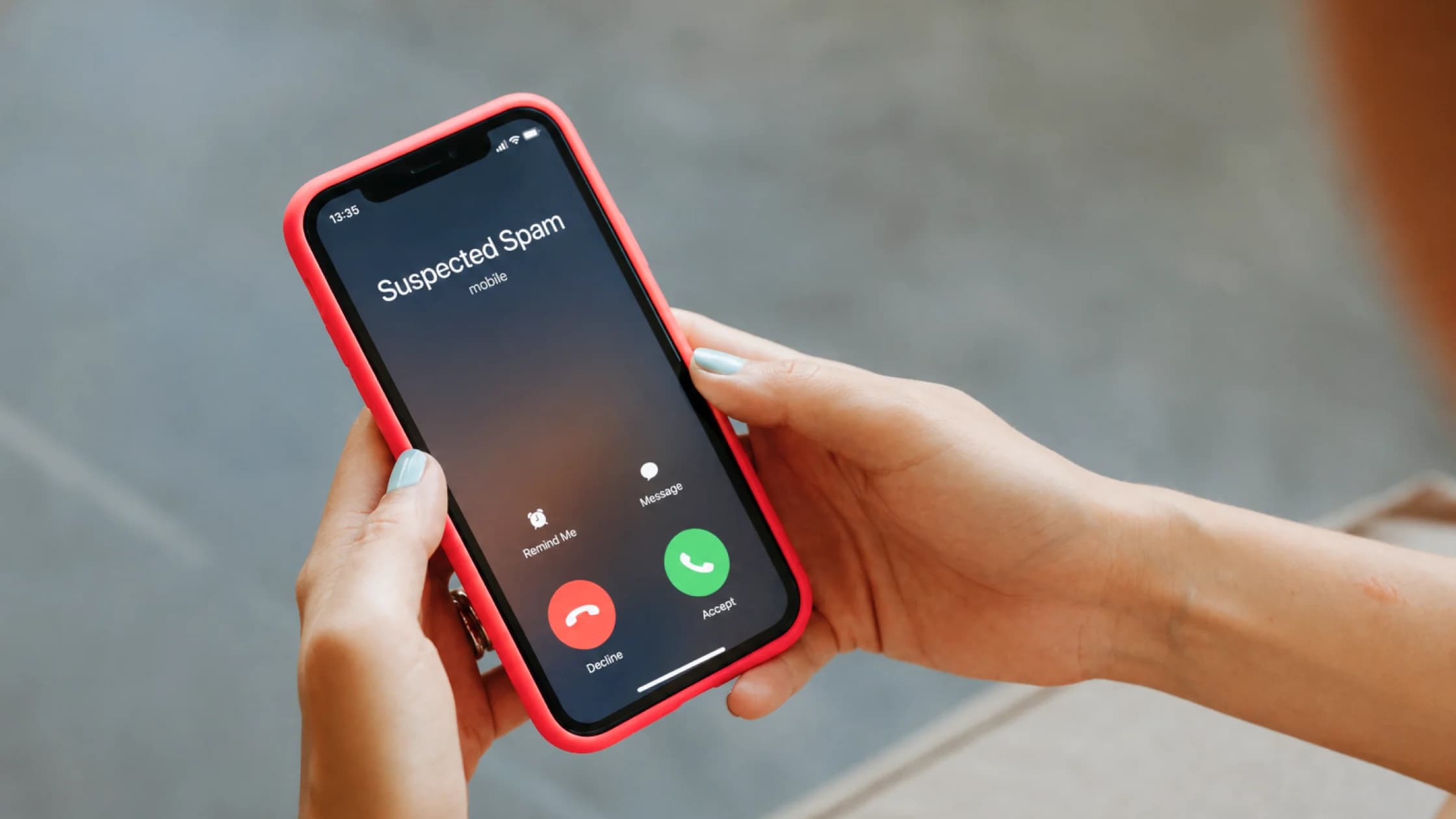
- The FTC and FCC warn that scammers may use spoofing, spam texts, fake support, and abnormal calls after exposure.[3][4]
- If the number is still your main SMS verification channel, prioritize MFA changes, account checks, and carrier security settings.[2]
- Changing numbers makes sense mainly when harassment is out of control, recovery paths are unstable, or you are in a high-risk situation.[1][2]
A platform or service may have leaked phone numbers together with other fields. FTC breach guidance says your response should depend on what information was exposed.[1][2]
You may not be hacked immediately, but you are more likely to receive spam texts, sales calls, fake support calls, and “your number has a problem” messages.
If this overlaps with public profile exposure, handle it together with how to remove personal information from the internet.
A phone number alone is not the worst case. It becomes more serious when it is packaged with your name, email, address, employer, old password, or device details.
That is why people-search sites and data brokers matter. You can compare the issue with how to choose a data removal service.
Check your primary email, bank and payment apps, social platforms, shopping accounts, cloud storage, messaging apps, and carrier account.
If many key services still rely on SMS codes, this becomes a high-priority issue.
Look for a jump in spam texts, more unknown calls, verification codes you did not request, abnormal carrier or platform alerts, or someone impersonating you or a company.
Start with email, banking, payment platforms, primary social accounts, and Apple/Google/Microsoft accounts. Look for unfamiliar logins, changed recovery numbers, new devices, and suspicious forwarding or authorized apps.
If email may also be part of your recovery chain, review can emails be traced? and how to send anonymous email.
The FTC’s identity theft guidance specifically recommends multi-factor authentication to reduce risk from stolen usernames and passwords.[2] When possible, move your most important accounts to an authenticator app, hardware key, or at least a method that is not SMS-only.
If SIM swap or number takeover worries you, ask your carrier about an account PIN, transfer restrictions, stricter identity checks, and alerts for suspicious SIM changes.
The FTC and FCC warn that caller ID is not reliable, and official-looking calls or texts can be spoofed.[3][4] Do not reply to spam, click unknown links, call back suspicious numbers, or give away more personal information because you are anxious.
For area-code and callback scams, use the suspicious area-code call guide.
Clean it from public profiles, secondhand marketplace bios, old social accounts, forum signatures, and nonessential contact pages.
If you still need a public contact number, separate it from your primary identity number. Read how to get a virtual phone number.
Monitor for mass verification texts, spoofing that looks like your own number, new delivery or loan scam templates, and calls or texts that stay out of control.
The FTC warns that unexpected unpaid-toll and similar urgent texts may push people to phishing or payment pages.[5][6]
The FCC and FTC both say caller ID can be faked, including local numbers, organization numbers, or even your own number.[3][4]
If attackers know your email or username plus your phone number, SMS verification becomes a tempting target.
Even “only a phone number” can become one piece of a larger identity profile.
Changing numbers is reasonable when spam and scam calls are uncontrollable, you no longer trust carrier account security, you are in a high-risk profession, the number is too exposed to reduce, or there are signs of takeover, SIM transfer, or identity misuse.
If you only receive occasional spam, account hardening, MFA changes, and exposure cleanup are usually more practical first.
That may confirm the number is active.
Many follow-up scams use the fear of a leak to trick you again.
The number is the entry point. The linked accounts are what matter.
You may lock yourself out before you reduce the risk.
Not necessarily. More often, the number appeared in a breach, traded list, or scam chain.[1][2]
Not always. First check whether it controls important accounts, whether abnormal activity has started, and whether harassment is out of control.
Check critical account logins and recovery settings, then move important accounts away from SMS-only verification.[2]
For unknown or suspicious senders, usually no. A reply may confirm the number is active.
No. The FCC and FTC warn that caller ID can be spoofed.[3][4]
No. A VPN protects your network connection. It does not remove a phone number that has already leaked or been collected by data brokers.
Disclaimer
This article is for general digital safety education only. It is not legal, financial, telecom, or incident-response advice. If you suspect account takeover, contact the relevant provider quickly.
The AethoVPN editorial team covers phone number found on dark web here; a VPN is not a substitute for the relevant checks.
Sources
Sources checked 5 August 2026.
Related Articles:
Sign up to experience all premium features at no cost.
*Available only to new users. Each user is limited to one trial.