Start your 3-day free trial
Sign up to experience all premium features at no cost.
*Available only to new users. Each user is limited to one trial.
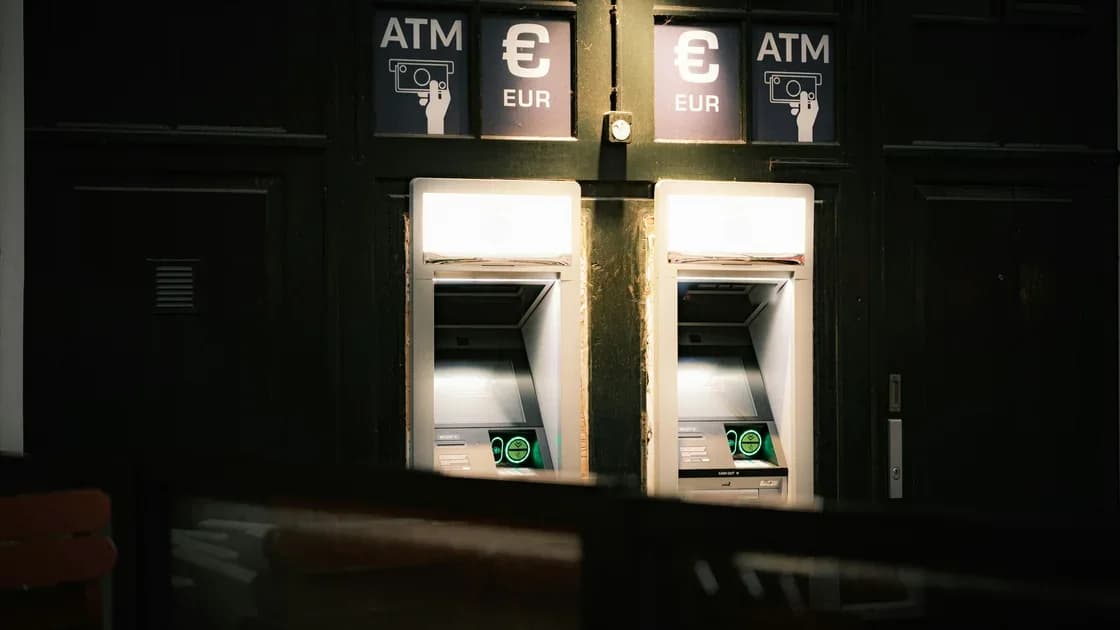

To avoid ATM and card skimming scams abroad, prefer a machine inside or attached to a bank, inspect the card slot and keypad before use, shield your PIN, keep control of your card, and check the amount and merchant before approving a payment. Turn on transaction alerts before the trip. If anything looks wrong or an unfamiliar charge appears, stop using the terminal, lock or report the card through an independently verified bank channel, and review recent activity.
Key Takeaways:
- Choose a well-lit, attended ATM or payment point and compare the card slot, keypad, and surrounding panel with the rest of the machine.
- Cover the keypad whenever you enter a PIN, even if nobody appears to be watching.
- A normal-looking terminal is not proof of safety: internal or very small devices may leave no visible clue.
- Chip and contactless transactions can reduce some magnetic-stripe copying risk, but they do not prevent a false amount, an unauthorized charge, a dishonest merchant, or social engineering.
- A temporary card lock can buy time, but follow your issuer's formal lost, stolen, or fraud-reporting process when the card or credentials may be compromised.
This guide is about the physical card-use moment. Set up alerts and independent recovery channels with the travel banking checklist. If the card is simply declined, use the card failure guide instead of assuming skimming.
Skimming is the capture of card data through a device placed on, inside, or near a legitimate card reader. A criminal may add an overlay to the slot, alter a point-of-sale terminal, use a hidden camera, or place a false keypad over the real one. The stolen data may be paired with a PIN observed by camera or by someone standing nearby. The FBI advises checking ATMs, point-of-sale terminals, and fuel-pump readers for loose, crooked, damaged, or mismatched parts and covering the keypad while entering a PIN.[1]
Visual inspection is a useful filter, not a guarantee. An internal insert can be difficult to see, and a professionally fitted overlay may match the device. Conversely, an old, scratched, or unusually designed machine is not automatically criminal. Treat inspection as one layer alongside terminal choice, PIN protection, alerts, and fast reporting.
Skimming is also narrower than general card fraud. It does not explain every unauthorized purchase. Account takeover, phishing, a compromised merchant system, stolen mail, exposed card details, or a dishonest person with access to the card can produce similar symptoms. For a broader explanation of stolen-card-data markets, see what carding is; do not use that broader category to diagnose one terminal without evidence.
Location changes the chance that tampering will be noticed and the options available if something goes wrong. Prefer an ATM inside a bank lobby during staffed hours, or a machine physically attached to a bank branch. At a shop, use the normal checkout rather than an unattended reader in an isolated corner. Good lighting, visible cameras, regular staff presence, and a clear operator identity are practical advantages, though none proves that the terminal is safe.
Be more cautious with a stand-alone ATM in a tourist corridor, nightlife area, transport edge, or other place where a device can be approached without supervision. Do not let urgency make the decision for you. If the machine has no clear operator, displays an improvised service notice, requires help from a stranger, or is surrounded by people directing customers, leave and find another location.
Europol's card-safety guidance recommends keeping a payment card in sight, shielding the PIN, declining unsolicited help, and using ATMs in secure, well-lit places.[2] These are behavioral controls: they remain useful even when the machine looks ordinary.
Pause before inserting or tapping the card. Look at the whole front panel, not only the slot.
Do not confront anyone nearby or try to remove a suspected device. Step away, note the location from a safe place, and tell the bank, merchant, police, or machine operator through a separately verified contact. A sticker on a suspicious machine may itself contain a false phone number.
Use your free hand, wallet, or body position to block the view of the keypad. Covering the PIN protects against overhead cameras and shoulder surfing, including when the reader itself is legitimate. Do not say the PIN aloud, type it into a phone note, or let a helper enter it.
At a restaurant, hotel, or shop, ask for the terminal to be brought to you when that is the local practice. If staff must take the card, keep the interaction in sight and check that the same card returns. Do not hand a card to a person who approaches outside the normal checkout flow, even if they claim the main terminal is broken.
Before approving, read the merchant name, amount, and currency. Contactless payment may reduce exposure of the magnetic stripe in that transaction, and chip processing can make some copied data less useful. Neither method proves that the amount is correct or that the merchant is honest. If the screen changes, the terminal restarts, the clerk asks you to tap repeatedly, or a transaction appears to fail, wait for a clear cancellation or receipt before trying again.
Keep the receipt or make a private note of the merchant and time until the transaction posts. Do not photograph a receipt if doing so would expose full card or personal details in an insecure photo library.
Enable issuer notifications for purchases, cash withdrawals, card-not-present activity, and declined attempts when those controls are available. Confirm before departure that alerts reach you without relying only on a home SIM that may be inactive abroad. Alerts shorten the time between a fraudulent attempt and your response; they do not block every transaction.
Review activity through the bank's saved app or a URL you independently know. Do not follow a link in an unexpected fraud text or call the number supplied by an unsolicited caller. A criminal who has observed an ATM visit may follow it with a message pretending to be the bank.
Match pending and posted transactions carefully. Merchant names can differ from storefront names, deposits can post separately, and an authorization can later change. Investigate unfamiliar activity, but do not label every unfamiliar descriptor as skimming. Record the amount, currency, time, and card used, then contact the issuer through the app, the number printed on the card if the card remains safe, or the official website.
If the machine retains your card, displays an unexplained error, or appears altered, move to a safe place first. Do not accept a stranger's offer to “recover” the card or re-enter the PIN. Contact the machine operator and your issuer through independently verified channels.
Use this order when compromise is plausible:
The FTC explains that consumer liability and reporting deadlines can differ between credit and debit cards under United States law.[3] That is a regional legal framework, not a worldwide promise. Travelers should use their issuer's rules and the equivalent consumer or police channel in the country relevant to the account and transaction.
No. Loose overlays and false keypads may be visible, but internal or carefully matched devices may not be. Inspection reduces some risk; it cannot certify a terminal.
Tapping can avoid exposing magnetic-stripe data in that transaction and modern contactless systems include security controls. It does not prevent a wrong amount, fraudulent merchant, stolen physical card, or account-level attack. Verify the amount and alerts either way.
No single label proves safety. An attended bank location usually provides clearer ownership and support, so it is a sensible preference. If you must use another machine, verify the operator, inspect it, shield the PIN, and have a fallback.
Decline, step away, and contact the bank or operator using a number you verify independently. Never re-enter or reveal the PIN to recover a card.
No. Chip processing can make certain forms of counterfeit-card use harder, but it does not prevent theft, phishing, dishonest charges, account takeover, or every fallback to magnetic-stripe data.
Contact the issuer promptly and follow its risk assessment. A temporary lock may be useful while checking, but only the issuer can tell you whether formal cancellation, replacement, PIN change, or monitoring is appropriate.
Use real-time alerts where available and review transactions regularly enough to recognize unfamiliar activity quickly. The right interval depends on access, issuer terms, and risk; do not delay a report while waiting for a routine review.
Inspect the terminal, cover the PIN, and use issuer alerts and official reporting channels if a transaction looks wrong.
Sources checked 28 August 2026.
This article provides general safety information, not financial or legal advice. Card protections, reporting deadlines, and emergency services depend on your issuer, account, transaction, and jurisdiction.
Sign up to experience all premium features at no cost.
*Available only to new users. Each user is limited to one trial.