Start your 3-day free trial
Sign up to experience all premium features at no cost.
*Available only to new users. Each user is limited to one trial.
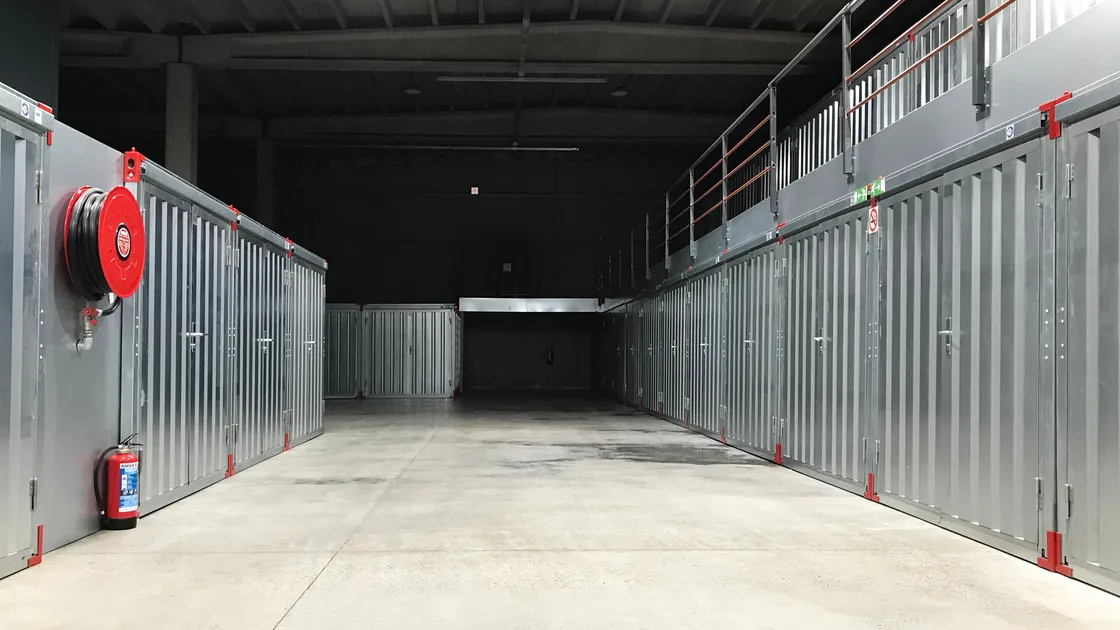

To choose a storage unit before moving abroad, reduce the inventory first, then compare facilities on usable space, access, environment, security, total contract cost, insurance, and the practical ability to manage or end the rental from another country. Inspect the exact unit, read the entire agreement, photograph its condition, and create an itemized inventory. Keep identity documents, medicine, valuables, hazardous materials, and irreplaceable objects out of ordinary self-storage.
Key Takeaways:
- Storing less is usually easier to insure, monitor, and retrieve from abroad.
- Exclude prohibited, perishable, dangerous, sensitive, and irreplaceable items before estimating size.
- Inspect the actual unit, door, route, drainage, ventilation, pests, lighting, and access controls.
- Compare usable dimensions and layout, not only a marketing label or floor area.
- Read promotional pricing, increases, fees, late-payment, lien, disposal, notice, and move-out terms.
- Facility security and climate claims do not guarantee protection from theft, water, fire, mold, or disaster.
- Verify insurance in writing and maintain a dated inventory, condition record, payment backup, and exit plan.
The international travel planning guide places storage within the wider move. This guide cannot assess a particular facility, contract, or insurance policy for you.
Create five categories: take with you, ship, sell, donate, and store. Estimate replacement cost, sentimental value, storage duration, monthly total cost, retrieval difficulty, and deterioration risk. Paying for years of space can exceed the value of ordinary furniture, while a small archive may be worth retaining.
Do not place passports, immigration records, current licenses, essential legal papers, active payment cards, medicines, keys you need, or the only copy of digital data in a standard unit. Keep jewelry, cash, unique collections, family archives, and other irreplaceable items in a protection arrangement designed for their value and access needs.
Ask the facility for its prohibited-item list. Common restrictions may include food, plants, animals, fuel, gas cylinders, explosives, weapons, chemicals, batteries, wet goods, stolen property, and business activity, but the exact list varies. A clean-looking container does not make a hazardous item acceptable.
Prepare furniture and appliances according to manufacturer and facility requirements. Empty, clean, and dry appropriate items; remove food; and avoid sealing moisture into textiles or wood. Do not store a refrigerator or washer that is still damp. Use breathable protection where suitable rather than assuming plastic wrapping is safe for every material.
Once the list is stable, estimate whether storage is still the best choice. Compare rental, insurance, transport, packing materials, periodic access, price increases, and eventual retrieval with selling and later replacement. Include the effort a trusted person may need to spend on your behalf.
A nearby facility is convenient before departure, but its location should also make sense for eventual retrieval. Compare travel time, road access, loading areas, lifts, stairs, corridor width, trolley availability, parking rules, and vehicle height limits. Check whether weather or traffic can make the route unreliable.
Ask for separate definitions of office hours, gate hours, and unit-access hours. “Open daily” may refer only to the website or gate. Confirm holiday closures, appointment requirements, after-hours procedures, and whether your unit is indoors, outdoors, upstairs, or behind additional locked areas.
If someone may access the unit while you are abroad, ask how authorized users are added and removed. Use a facility-approved method or lawful authorization; do not simply share your account password. Document who may enter, what they may remove, and how identity is checked.
Test remote administration before leaving. Can you view invoices, update an expiring card, change contact details, receive security notices, make an international payment, submit notice, and close the account without a local phone number? Ask what happens if two-factor authentication or a payment card changes.
Keep at least two verified contact routes for the facility and confirm how it sends urgent notices. Update your postal and email address promptly. A missed price, late-payment, lien, access, or water notice can be more serious when you are in another time zone.
Measure the packed items, not the empty room they came from. Record length, width, and height for large objects, the external dimensions of boxes, and which items may safely stack. Sketch a floor plan with an aisle if anyone will need access before full removal.
Compare the unit's actual internal dimensions, ceiling obstructions, door opening, threshold, pillars, pipes, and any unusable corners with the advertised size. A nominal category is not a promise that every unit has identical usable volume. Ask to see and measure the exact unit you will rent.
Place heavy, stable boxes at the bottom and avoid stacks that can collapse. Leave ventilation gaps where appropriate and keep items off the floor using an allowed shelf or pallet. Do not block required sprinklers, vents, detectors, or access routes. Follow the facility's loading and fire-safety rules.
Use consistent box sizes and label at least two sides with a neutral inventory code, not a detailed list of valuables. Put frequently needed items near the entrance. Photograph the planned layout so a trusted person can find an item without opening every container.
Avoid renting too small and forcing unsafe stacks, but do not pay indefinitely for unused air. Ask whether transfer to another unit is possible, what it costs, and whether a move resets promotional pricing or contract terms. Get the answer in writing.
Visit the facility in person when possible and inspect the exact unit. Look and smell for damp, stains, rust, mold, pest evidence, gaps, standing water, damaged seals, cracked walls, and signs of previous leaks. Check the roofline, drains, ground slope, doors, locks, lighting, corridor condition, and cleanliness of nearby units.
Ask what “climate controlled” means in measurable terms: which temperature or humidity range is targeted, where sensors are located, how failures are handled, and whether the exact unit receives that service. The label does not make every material safe or guarantee continuous conditions.
Security layers can include perimeter controls, staffed hours, individual locks, gate logs, cameras, lighting, alarms, and unit-specific access records. Ask who monitors systems, how long relevant records are retained, and how incidents are reported. Cameras and gates deter some risks but do not insure your property or guarantee recovery.
Assess local hazards such as flood, wildfire, storm, earthquake, extreme heat, freezing, and power interruption. Ask about the building's elevation, drainage, fire protection, emergency access, and past incidents, then compare those answers with independent public hazard information where available.
Connecticut's Department of Consumer Protection advises consumers to inspect for water damage and pests, understand security, review insurance, take an inventory, and read lease terms including fees and late-payment consequences.[1] These are useful inspection prompts, but that agency's legal details and complaint routes apply to Connecticut, not worldwide.
Request the agreement and complete price schedule before moving anything in. Calculate the initial payment and a realistic later monthly total. Include rent, administration, deposit, lock, mandatory protection plan, tax, access, payment, late, returned-payment, cleaning, disposal, and move-out charges where applicable.
Ask how long a promotional rate lasts, when and how rent can increase, and how notice is delivered. Do not treat a sales quote as fixed unless the contract says so. Save the advertisement, quote, agreement, facility rules, unit number, and move-in inspection.
Read payment due dates, grace rules, access suspension, late fees, lien rights, sale or disposal procedures, notice periods, abandonment definitions, and the method required to terminate. These rules differ sharply by jurisdiction. Do not rely on a generic number of days or assume the facility will call before taking action.
Check liability limits and exclusions for water, mold, pests, theft, fire, temperature, disaster, valuables, vehicles, and business goods. Identify which promises are contractual and which are only marketing descriptions. Ask how claims and complaints are submitted and what evidence is required.
Confirm remote move-out requirements. You may need to empty and sweep the unit, remove the lock, photograph it, return an access device, submit notice in a particular form, and receive written confirmation. If another person will do this, ensure the facility recognizes their authority.
Ask your home, renters, specialist, or travel insurer whether off-premises property in this facility and country is covered. Confirm limits, deductibles, named perils, exclusions, maximum storage duration, vacancy rules, high-value sublimits, proof requirements, and whether a move abroad changes the policy.
If the facility sells insurance or a protection product, identify the insurer or provider, policy terms, price, cancellation rights, and claim route. California requires specified disclosures for self-service storage insurance, including that existing coverage may duplicate it.[2] That is a California example, not a global insurance rule.
Create a dated inventory with box codes, descriptions, approximate values, receipts where available, serial numbers for suitable items, and pre-storage photos. Store the record outside the unit. Photograph the empty unit, your packed items, and the final layout without exposing sensitive details.
Set payment reminders and a backup method that you control. Review every invoice for price changes or failed payments. Do not rely solely on autopay, especially if the linked card will expire or block foreign access. Keep the facility informed through verified channels.
Write an exit plan with a target date, decision owner, retrieval destination, transport option, disposal limits, and authority for a trusted person. When leaving, document the empty condition, submit notice exactly as required, recover deposits or credits, and obtain written confirmation that rent and access have ended.
To choose a storage unit before moving abroad, store only items worth the cost and risk, then inspect usable size, access, environment, security, disaster exposure, price, insurance, and exit terms. A careful contract and off-site inventory matter as much as the lock. Build remote payment, contact, and move-out paths before you leave the country.
Exclude prohibited and hazardous goods, food, living things, medicine, essential identity or legal documents, active cards, irreplaceable archives, cash, and valuables that need specialized protection. Follow the facility's written list and local law.
Measure packed items and safe stack heights, add an aisle if access is needed, and compare the plan with the exact unit's internal dimensions, door, pillars, pipes, and ceiling. Do not rely only on a room-size label.
It depends on the items, climate, duration, building, measurable operating range, and cost. Ask what the term means at that facility and remember that it does not guarantee protection from every cause of damage.
Check water and pest signs, smell, drainage, roof and walls, door and lock, lighting, access route, cameras, alarms, fire protection, cleanliness, usable dimensions, and local disaster exposure. Photograph agreed pre-existing damage.
Possible charges include administration, deposit, lock, insurance, tax, access, late payment, returned payment, cleaning, disposal, and move-out fees, plus later rent increases. Only the complete written agreement confirms your cost.
Do not assume so. Ask the insurer about off-premises storage, location, duration, causes of loss, sublimits, deductible, exclusions, proof, and the effect of moving abroad. Compare any facility product for overlap.
Test the portal and authentication, authorize a trusted person through an accepted method, maintain backup payment and contact routes, and document the notice and empty-unit steps. Obtain written move-out confirmation.
Sources checked 31 August 2026.
This article provides general information, not legal, insurance, financial, safety, property, or contract advice. Prohibited items, facility duties, access, fees, liens, disposal, insurance, disaster responsibility, notice, and move-out rules vary by facility, policy, and jurisdiction.
Sign up to experience all premium features at no cost.
*Available only to new users. Each user is limited to one trial.