Start your 3-day free trial
Sign up to experience all premium features at no cost.
*Available only to new users. Each user is limited to one trial.
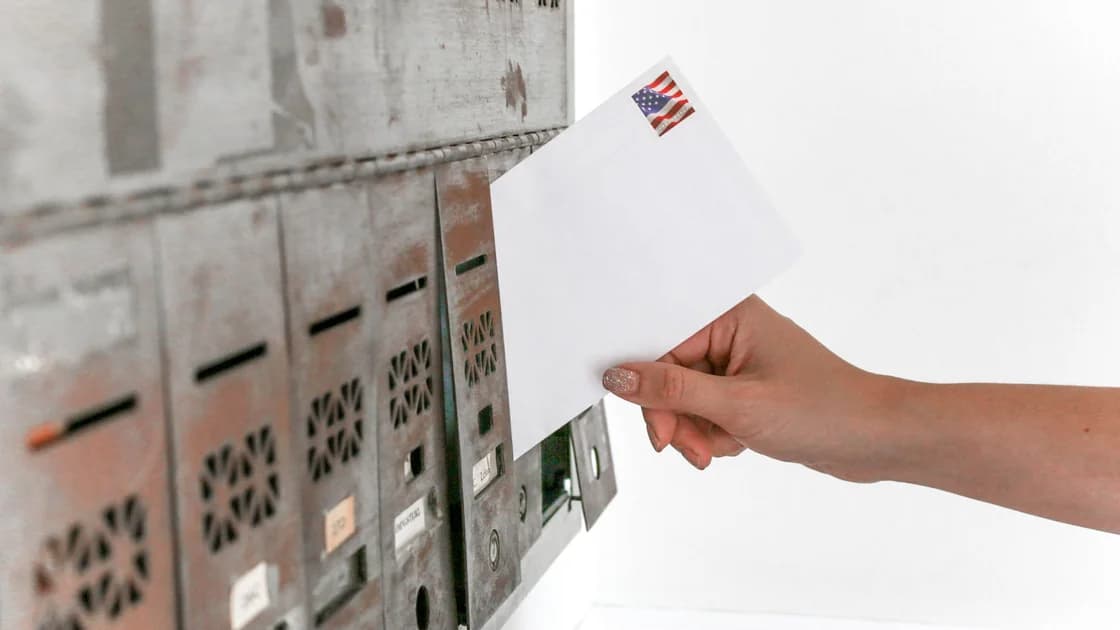

If your credit card application address could not be verified, identify which address the issuer needs before changing anything. A residential address, mailing address, previous address, and address shown in a credit file can serve different purposes. Compare the exact application entry with truthful records, correct errors through the organization that owns them, and ask the issuer whether the existing application can be updated.
Key Takeaways:
- Ask whether the problem concerns residence, mailing, prior history, a credit report, or product eligibility.
- Do not replace a real residential address with a convenient mailing address unless the application permits it.
- Normalize unit, street, postal-code, and transliteration fields without inventing information.
- Correct an issuer form, credit report, or government record through its own official process.
- Submit only accepted proof through a verified channel.
- Confirm the original application's status before trying again.
For broader relocation records and connectivity, use the international travel planning guide. This guide is limited to the address check inside a new U.S. credit-card application, not general address maintenance on an existing bank account.
Read the issuer's notice and preserve the application reference. Ask whether it could not verify your current residential address, could not deliver mail, found a mismatch with a consumer report, needs previous-address history, or does not offer the product at the address supplied. These are distinct problems.
FinCEN's bank Customer Identification Program address rule generally uses a residential or business street address for an individual, with specific alternatives for a person who does not have one and special treatment for participants in qualifying address-confidentiality programs.[1] It does not mean every credit-card issuer must accept every mailing format or document.
Write down each address field exactly as submitted. Keep residential, mailing, billing, previous, employer, and document addresses in separate rows. A warning next to one field should not prompt you to rewrite all of them.
Check the building number, directional, street name, street type, unit, city, state, and postal code. Confirm that autocomplete did not select a nearby building or omit an apartment. If the address uses another writing system, follow the issuer's transliteration instructions and use one consistent Romanized form.
Compare dates as well as text. A recent move may mean your government ID, bank statement, utility record, and credit report legitimately show different addresses. Build a truthful timeline showing when you left the previous address, began residing at the current address, and changed each record.
Do not claim a hotel, mailbox, employer, friend, or relative's home as your residence merely because it receives mail. If you lack a conventional street address or use a protected address, ask for the issuer's documented alternative. Eligibility and verification cannot be solved by entering a location that is not true.
Review your U.S. credit reports before making another application. CFPB recommends checking before applying for credit and when you suspect an error or identity theft.[2] Your own review is a soft inquiry and does not lower your score.
If a report lists a wrong address, dispute the inaccurate item through the reporting company and, where appropriate, the company that supplied it. An old but accurate former address is not necessarily an error. Ask what data is being used rather than demanding deletion of truthful history.
If the error is only in the card application, ask whether the issuer can correct that field on the existing case. If the source is a postal, government, utility, or financial record, use that source's official correction process. The issuer may not be able to rewrite another organization's record for you.
Ask the issuer for the exact accepted-document list, freshness period, name requirements, address type, permitted language, and submission channel. A lease, utility statement, bank statement, government letter, insurance document, or identity document may be accepted for different purposes. Do not assume that any document carrying an address is sufficient.
Check that the evidence shows the same person and address you truthfully entered. Preserve the full page, issue date, issuer, and required account context. Do not edit the address into a document, combine pages from different records, or conceal information the issuer says is required.
Submit only through the verified portal, branch, or address. Redact unrelated information only if the issuer permits it. Keep a receipt and a note of the file names sent, then remove unnecessary copies from shared devices or cloud folders.
An address can be valid yet outside a product's service area or inconsistent with its residency rules. Ask the issuer whether the issue is verification or eligibility. Do not assume that proving mail delivery establishes residence, or that a U.S. mailing address makes every product available to a nonresident.
If you are applying with an ITIN, follow the ITIN application guide and the issuer's own address requirements. An accepted taxpayer identifier does not automatically establish an accepted residence.
Ask whether the application remains open, which action is outstanding, and when the issuer will review new evidence. Regulation B distinguishes completed and incomplete applications and sets notice rules for covered creditors.[3] If it is pending, follow the pending application checklist. If it is closed or denied, request the applicable notice instead of reopening the same form blindly.
When the response period passes, contact the issuer using the same application reference. Provide the submission receipt and ask for the unresolved field, decision owner, and formal reconsideration or complaint route. Keep a dated log of the answer.
After the case closes, align records that should accurately show your current address. The bank address-change guide covers maintenance on an existing account; it is separate from correcting this application. Keep prior-address history where a form requests it.
Before a later application, review the issuer's residence and mailing definitions, your reports, and your accepted evidence. Consistency should come from accurate updates at the right sources, not from forcing every system to display identical text when each has a different purpose.
Used on its own, a VPN cannot verify residence, correct an address record, change card eligibility, or make an issuer accept evidence. Use the official issuer, reporting-company, and record-owner processes.
It may work as a mailing address if the issuer permits it, but it may not satisfy a residential street-address requirement. Ask which field accepts the P.O. box and provide truthful residential information where required.
Create a clear move timeline and ask which documents and dates the issuer accepts. Do not alter either document. Update inaccurate records through their official owners and preserve legitimate former-address history.
The issuer's current verification rules control. A mismatch may be explainable after a move, but you should ask what connecting evidence is accepted rather than assuming it will be ignored.
Obtain the report through an official channel and dispute the specific inaccurate information with the reporting company and relevant data furnisher. Do not dispute an accurate prior address simply because it is old.
Only if the issuer and product accept it. A technically valid foreign address may still fall outside product residency or service-area rules, so confirm eligibility before resubmitting.
Only after the issuer confirms that the original case is closed and another application is appropriate. If the case is still open, provide corrections or evidence under the existing reference to avoid duplicate inquiries and files.
No. An IP location is not proof of residence, and a VPN does not change a credit report, postal record, document, or eligibility rule. Use truthful address evidence and official correction channels.
Disclaimer: This article provides general U.S. consumer education, not legal, tax, immigration, or individualized financial advice. Address and eligibility requirements vary by issuer and product; verify the current written instructions for your application.
Sources checked September 9, 2026.
Related reading:
Sign up to experience all premium features at no cost.
*Available only to new users. Each user is limited to one trial.