Start your 3-day free trial
Sign up to experience all premium features at no cost.
*Available only to new users. Each user is limited to one trial.
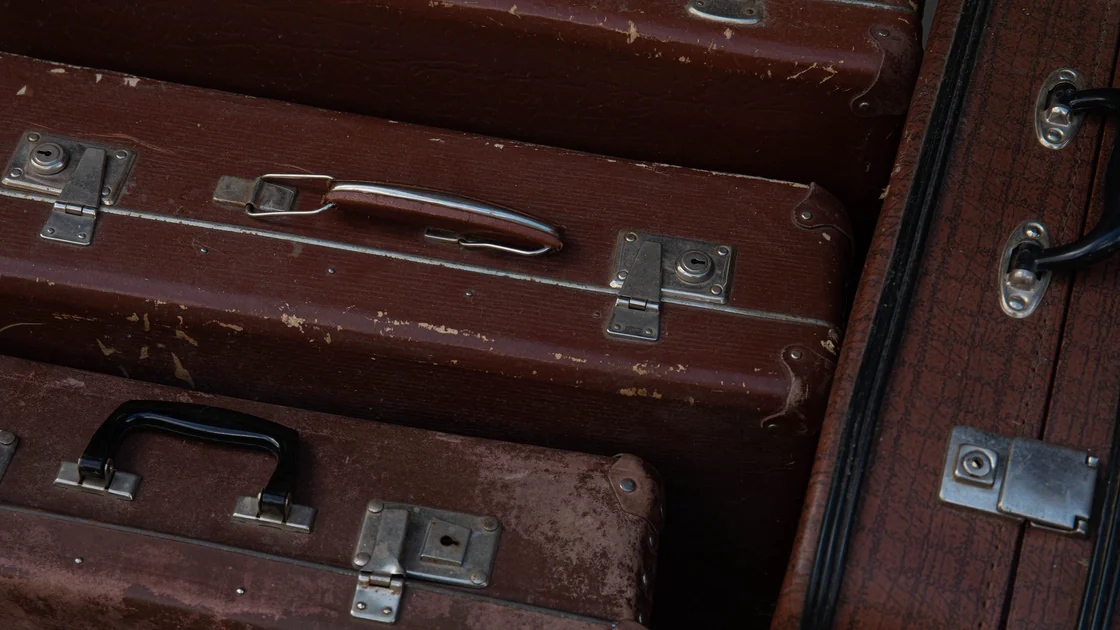

If your checked baggage arrived damaged at the carousel, inspect it before leaving, photograph the new damage, and report it to the operating airline or its ground handler as soon as possible. Keep the bag, tag, report, itinerary, proof of prior condition, and repair or replacement evidence until the written claim is resolved.
Key Takeaways:
- Photograph every side, damaged component, baggage tag, and surrounding context at collection.
- Obtain a Property Irregularity Report or another written reference, but do not assume it is the full claim.
- Separate new transport damage from ordinary wear, pre-existing defects, and poor packing.
- Preserve the bag until the airline authorizes repair, inspection, disposal, or replacement.
- Submit the written claim within the shortest deadline that could apply to your itinerary.
- Treat liability limits as ceilings, not promised compensation.
Include baggage evidence in your wider international travel record plan. This page covers physical damage to a delivered checked bag or its contents; a whole bag that has not arrived follows the separate lost-or-delayed baggage process.
Lift the bag from the belt and move to a safe, well-lit area without blocking other passengers. Before opening it, photograph the front, back, sides, top, base, tag, closure, and the damaged area from wide and close angles. If the bag is wet, crushed, torn, open, or unsafe to move, record that condition first.
Check wheels, handles, straps, zips, locks, seams, frame, shell, fabric, and any protruding fittings. Open the bag carefully and photograph displaced packing and any physically damaged contents. Do not rearrange everything before creating an initial record, but prioritize safety if glass, liquid, a battery, medicine, or another hazard is exposed.
Record the carousel, airport, flight, arrival time, collection time, and when you first noticed the damage. Keep the baggage tag attached. If a delivery service brought the bag later, record the delivery condition, driver receipt, time, packaging, and any note you make before accepting it.
Do not label every scuff as airline damage. Ordinary wear can include small surface marks, while a broken wheel, torn seam, cracked shell, unusable handle, or crushed item may affect function. The US Department of Transportation says airlines under its rules are not responsible for pre-existing damage or damage caused by improper packing, but they cannot categorically exclude damage to wheels, handles, straps, and other checked-bag components merely because of the component type.[1]
Go to the baggage service desk for the operating airline or its ground handler before leaving the reclaim area when possible. Show the bag, tag, boarding document, and identification required for the report. Ask the desk to describe the damage accurately rather than selecting a vague code that omits the broken component.
Obtain a Property Irregularity Report, damage report, case number, or equivalent written record. Confirm the airline name, flight, tag number, date, airport, contact details, and listed damage. Photograph or download the complete report. If the desk refuses, is closed, or directs you online, record the location and time and submit through the airline’s verified channel immediately.
A desk report is evidence of prompt notice; it may not be the contractual written claim. Ask what form, documents, inspection, repair partner, and deadline follow. The UK Civil Aviation Authority advises passengers to report baggage problems as soon as possible and explains that a written claim should be made to the airline, with applicable time limits depending on the event.[2]
For an itinerary involving several airlines, start with the operating carrier shown for the arrival flight and follow the written instructions you receive. Codeshare marketing names and ticket sellers may not run the baggage desk. Preserve every transfer tag and itinerary segment so responsibility can be assessed later.
Keep the physical bag unless it presents an immediate safety or hygiene risk. Do not throw it away, repair it, remove the tag, or surrender it permanently without written instructions. If an airline or repair shop takes possession, obtain a receipt identifying the bag, condition, accessories, date, and purpose.
Build an evidence set containing the ticket or itinerary, boarding pass, baggage tag, desk report, photographs, video, bag make and model, purchase record if available, approximate age, earlier travel photographs, warranty, and correspondence. For damaged contents, add an itemized inventory, original position in the bag, proof of ownership, age, condition, repair assessment, and replacement evidence.
Prior-condition evidence can be modest. A recent photograph showing an intact handle, an older purchase email, or a companion’s contemporaneous observation may help. State uncertainty honestly. Do not edit scratches out of an old photograph or claim a new retail price for a used bag without explaining age and depreciation.
Create a timeline separating airline custody from your own handling. Note check-in, transfers, collection, report, later delivery, inspection, and any emergency purchase. The Montreal Convention addresses destruction, loss, or damage to checked baggage when the event causing it occurred while the baggage was in the carrier’s charge on covered international carriage.[3] Whether a particular itinerary and event qualify requires itinerary-specific analysis.
Describe function before price. Can the bag close securely, roll safely, extend its handle, protect contents, and survive another journey? Cosmetic marks, a repairable wheel, a split structural seam, and a shattered shell are different losses. Ask the airline how it classifies the condition and what evidence it needs.
Obtain a written repair estimate from an appropriate luggage repairer when requested. The estimate should identify the bag, failed part, proposed work, cost, currency, tax, and whether repair is technically or economically practical. If no local repairer exists, document the search and ask the airline for an approved option.
Do not accept a replacement bag solely from a thumbnail. Compare dimensions, weight, shell or fabric, wheel system, closure, warranty, and essential accessibility features. A replacement need not be an identical current model, but the record should show whether it restores comparable function.
The US DOT describes repair or reimbursement for covered damage and says an airline may negotiate compensation based on the bag’s value and depreciation when repair is impossible.[1] That is not a promise of full new-for-old value in every jurisdiction. Airline terms, applicable law, proof, and the condition of the bag all matter.
Use the airline’s official form or verified contact address. State the passenger, itinerary, operating flight, baggage tag, report number, damage discovered, where and when it was reported, and remedy requested. Attach a numbered evidence list rather than sending an unexplained archive of images.
File within the shortest potentially applicable deadline. Do not wait for a repair quote if doing so could miss notice; submit the claim and identify the outstanding document. For covered international carriage, the Montreal Convention contains written-complaint timing rules, including a 7-day period after receipt for damage complaints.[3] Other contracts and jurisdictions may impose different steps, so confirm the rule for the actual itinerary.
Keep the exact submitted version, upload receipt, email headers, reference number, and a contact log. If a portal renames files or truncates text, save screenshots without unnecessary personal information and send a clarifying message through the official channel. A draft that was never submitted is not a claim.
If the airline asks for the original bag, a repair assessment, or proof of purchase, answer by the stated date or request an extension in writing. Never send a payment-card password, one-time code, or recovery credential. Redact unrelated personal data only on working copies and retain originals.
Compare the response with the damage claimed, evidence supplied, applicable contract, and remedy requested. If the airline offers repair, confirm who pays shipping, how long custody lasts, what warranty applies, and what happens if repair fails. If it offers money or replacement, check whether acceptance settles only the bag or also damaged contents.
Do not treat a liability limit as an automatic award. The U.S. Department of Transportation states that the revised Montreal Convention baggage limit has been 1,519 Special Drawing Rights per passenger since 28 December 2024.[1] It is a maximum liability framework where the Convention applies, subject to the facts and legal rules; actual recovery may be lower.
If the airline rejects or under-assesses the claim, request its written reasons and the contract or rule relied upon. Follow its complaint process, then an applicable regulator, ombudsman, alternative dispute service, insurer, or legal route. Verify jurisdiction and eligibility before using a named body.
Coordinate any travel-insurance claim with the airline case. Disclose payments, repair, replacement, and recovered items so the same loss is not paid twice. Keep the bag and complete file until every appeal and retention need has ended.
Yes, but report it through the airline’s verified channel immediately and explain when and where you discovered it. Leaving can make the evidence harder to assess, so include photographs, tag, itinerary, and any reason the desk was unavailable.
They can be. Ordinary wear may be excluded, but a carrier should assess actual new damage rather than rejecting a claim only because it involves a wheel, handle, or strap.
Not unless safety requires it or the airline authorizes it in writing. Preserve the original condition and obtain instructions, because an unapproved repair can remove evidence.
List each damaged item separately, photograph its position and condition, and provide ownership, age, value, and repair evidence. Check applicable exclusions and do not discard it without instructions.
Start with the operating airline or handler at the arrival airport and follow the written process for your itinerary. Keep all tickets, transfer tags, and carrier responses because international rules may permit claims against particular carriers.
Not necessarily. It documents the airport report, but the airline may require a separate written claim with evidence within a specific deadline.
No. It cannot inspect the bag, establish carrier custody, apply the contract or convention, or determine depreciation and compensation.
Sources checked 4 September 2026.
This article provides general information, not legal or insurance advice. Carrier terms, deadlines, liability, exclusions, depreciation, evidence requirements, and remedies depend on the itinerary and jurisdiction.
Related reading:
Sign up to experience all premium features at no cost.
*Available only to new users. Each user is limited to one trial.