Start your 3-day free trial
Sign up to experience all premium features at no cost.
*Available only to new users. Each user is limited to one trial.


You can usually keep a local phone number after moving abroad if the line stays active and assigned to you. First, identify every service that still uses it, then check the current carrier's written retention and porting rules while the line remains active. Compare keeping the plan, moving to a lower-use plan, or porting to an eligible provider; migrate critical recovery methods before any change; and test calls, messages, roaming, and account access. Set a review date so temporary retention does not become an unmanaged permanent expense.
Key Takeaways:
- Keep the existing service active until a port or plan change is complete and tested.
- Number portability, geography, prepaid validity, roaming, and identity checks depend on the number's jurisdiction and carrier.
- A VoIP or number-parking service may not receive short codes or verification messages.
- Move banking, government, email, and other recovery methods before relying on a new arrangement.
- Record an end date and release checklist rather than holding the number indefinitely by default.
Coordinate the line with the wider international travel planning guide. This guide addresses temporary number continuity, not choosing a destination-country mobile plan or keeping a mainland China number under its specific rules.
List accounts that use the number for sign-in, password recovery, fraud alerts, transaction approval, delivery contact, work, school, healthcare, government services, insurance, utilities, and personal communication. Check the account profile, not only recent text messages: a quiet account may still send a recovery code months later.
Classify each dependency as critical, useful, or replaceable. Critical items include services where losing the number could block identity recovery, money access, immigration correspondence, or essential care. Record whether each service supports an authenticator app, passkey, security key, backup code, international number, email, or verified representative.
Separate calls and standard SMS from app-based messaging. A messaging app may continue to work after a SIM change, but that does not mean the underlying number remains assigned to you. Likewise, receiving one ordinary message does not prove that bank or government short codes will arrive.
Review contacts who may use the number after departure: former employers, landlords, tax authorities, schools, clinics, delivery services, and family. Decide who should receive the new number and who should use email or a portal instead. Avoid publishing the destination number more widely than necessary.
Create a register with service, purpose, current factor, replacement factor, migration date, test result, and safe-release condition. This turns “keep the number for a while” into a bounded continuity project.
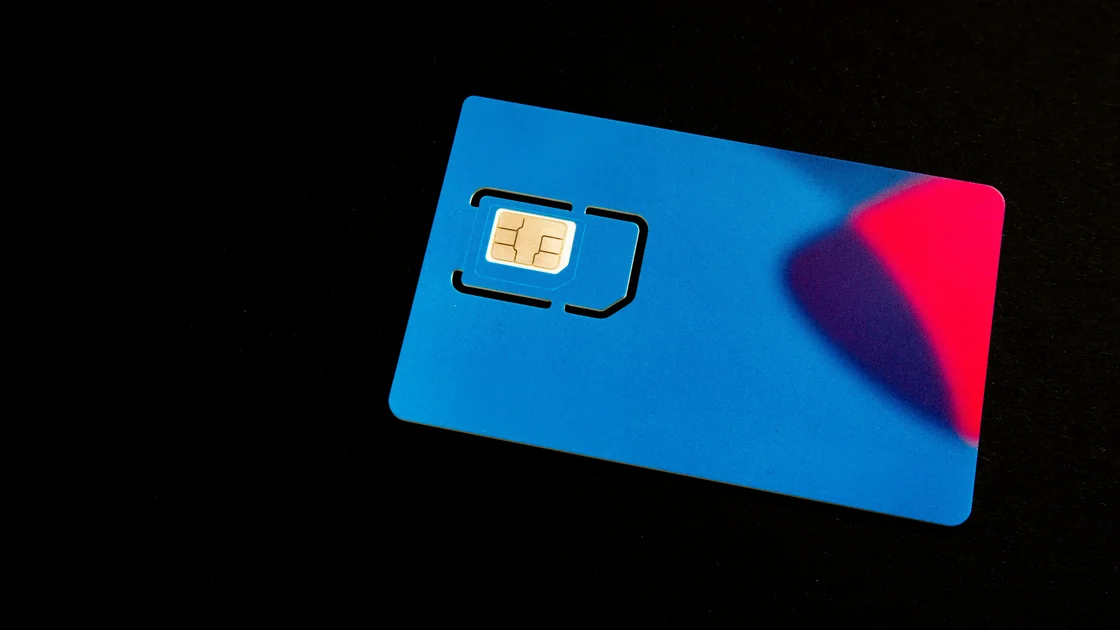
Ask the current carrier whether the account can remain open when the customer lives abroad, which address and payment methods are accepted, how long prepaid service stays active without qualifying use, and whether international roaming must be enabled before departure. Request the current terms in writing or save the relevant support page.
Check whether the number is eligible for porting, whether the destination provider serves the same geographic area or rate center, which account details must match, and whether there are contract, device-financing, or fraud locks. Portability rules are jurisdiction-specific. The FCC explains that US consumers may generally keep a number when changing providers in the same geographic area, while limits can apply when moving outside it.[3] This is a US example, not a worldwide entitlement.
Verify the account holder's legal name, service address, account number, porting PIN, identity document, and any business authorization. Correct mismatches before leaving, when an in-person visit or domestic contact route may be easier. Do not share a transfer code with anyone who contacts you unexpectedly.
Check cancellation consequences. Some providers may release a number quickly after termination; a limited restoration period, where one exists, is not a safe plan. Ofcom describes UK switching by PAC and notes a limited route for recovering a number after cancellation in certain circumstances.[1] Follow the provider's live process rather than treating that example as a guarantee.
Keeping the existing plan usually preserves the fewest moving parts, but it can carry monthly charges, roaming exposure, and account-residency restrictions. Ask whether a lower-use or prepaid plan retains the same number and which activity is required to avoid expiration. Confirm whether incoming texts, outgoing calls, balance top-ups, or paid renewal count as qualifying use.
A domestic low-use plan may reduce cost while retaining ordinary mobile routing. Check whether it supports roaming in the destination, Wi-Fi calling abroad, eSIM transfer, replacement SIM delivery, and customer service from overseas. Do not assume a feature available at home remains available internationally.
Porting to another mobile provider can be appropriate when both providers and local rules allow it. CRTC guidance for Canada says not to cancel current service before the new provider completes the transfer and notes that local number portability can depend on the new provider serving the same area.[2] The sequence is useful, but eligibility must be confirmed for the actual number.
VoIP forwarding or number-parking services may be convenient for voice calls, yet some institutions reject internet-based numbers or do not deliver short-code SMS to them. Ask the service what it supports, then independently verify critical accounts. Marketing language such as “receive texts” does not prove compatibility with every sender.
Compare total cost, residency and identity rules, payment resilience, roaming, SMS and voice support, replacement procedures, customer-service access, and exit conditions. Choose the smallest lawful arrangement that meets the documented dependencies.
Before changing the number, add supported alternatives to important accounts. Prefer phishing-resistant passkeys or security keys where offered, otherwise use an authenticator app, approved backup codes, a verified email address, or a destination number the service accepts. Keep recovery material offline and protected.
Change one high-risk account at a time. Sign out of a secondary session, test the new factor, and confirm recovery without disabling the last working route. For banks, government services, employers, and healthcare portals, use their official overseas or account-recovery instructions rather than improvising.
Update the number with contacts and services that genuinely need it, but retain the old number during a short observation period. Forwarding can help with ordinary calls, yet it does not migrate account ownership and may expose caller information to another provider. Confirm voicemail privacy and reset its PIN.
Protect the carrier account itself with a strong unique password, supported multifactor authentication, a port-out lock or transfer PIN, and current email. SIM-swap and port-out fraud can redirect calls and messages even when the physical SIM remains with you. Treat unsolicited transfer notices as urgent and contact the carrier through saved official details.
Do not use a VPN, false address, borrowed identity, or someone else's payment details to bypass eligibility or residency requirements. A technical connection does not change the carrier's contract or the number's regulatory status.
If porting, start with the receiving provider while the old line is active. Supply matching account information and keep both SIMs or eSIM profiles available. Do not cancel the old service unless the providers' documented process expressly tells you to do so after completion.
Test outbound and inbound calls, ordinary SMS in both directions, voicemail, caller ID, emergency-call limitations, roaming, and Wi-Fi calling as applicable. Then test representative critical senders without repeatedly triggering fraud controls. A successful friend-to-friend text is not evidence that every automated code route works.
Check the old provider's final bill, device balance, refund, and account status. A completed port may close the line but not every related contract or financed device. Confirm whether another number on a family or business account was affected.
If the port stalls, contact both providers using the reference and ask which party owns the next action. Do not submit multiple competing requests. Keep the existing service funded and active until the transfer is resolved or formally canceled.
Choose a review date based on the slowest dependency: a tax filing season, final payroll document, tenancy refund, school transition, or government correspondence. Avoid an arbitrary long retention period, but do not release the number while a critical service still depends on it.
At each review, check the dependency register, recent legitimate traffic, carrier charges, prepaid expiry, payment method, contact address, recovery factors, and any port or roaming notices. Test access from the destination using supported methods. Fix problems before the line reaches suspension.
Before release, remove the number from every account profile and recovery screen, including dormant services. Change voicemail, delete call forwarding, download any records you need, settle balances, and obtain confirmation of cancellation or port completion. Tell key contacts that the number will no longer reach you.
Assume the number may eventually be reassigned. Old messages, password-reset prompts, and callers could reach a new subscriber. Account removal matters more than simply destroying the SIM. Monitor important accounts for unexpected changes after release.
Keep the final confirmation and dependency checklist. If a forgotten service later asks for the old number, use its formal identity-recovery process and disclose that the number is no longer yours; never ask a new holder to relay a code.
To keep a local phone number after moving abroad, first map the accounts and people that rely on it, verify carrier and portability eligibility while it is active, and compare continued service, a low-use plan, and an eligible port. Migrate recovery methods, execute changes in the provider's required order, and test real functions. Review the arrangement on a fixed date and remove every dependency before the number is released.
Usually yes, but only while an eligible service or completed port keeps it assigned to your account. Overseas residence, inactivity, unpaid charges, expired prepaid validity, or contract rules can affect retention. Ask the carrier for the exact conditions.
Do not plan on it. Many processes require active service, and any restoration window can be narrow or conditional. Start the transfer with the receiving provider and follow both providers' written instructions.
Not reliably for every sender. Some services do not support short codes, and some institutions reject internet-based numbers. Test critical services and maintain an approved alternative recovery method.
Confirm rates, roaming passes, incoming call charges, voicemail behavior, data settings, and Wi-Fi calling terms before departure. Disable unwanted data roaming and monitor usage, but keep the activity needed to retain the line.
Follow the carrier's current validity and qualifying-activity rules. A balance alone may not be enough. Set reminders well before expiry and keep a valid payment and account-recovery route.
Often not. Portability commonly operates within a national and sometimes local geographic framework. Confirm that the receiving provider can port the exact number before making any cancellation.
After every critical account has a tested replacement factor, important contacts have moved, pending payments and records are closed, the number is removed from dormant profiles, and you have saved final carrier confirmation.
Sources checked 4 October 2026.
This article provides general information, not legal, telecommunications, contract, financial, or account-security advice. Portability, residency, prepaid validity, roaming, fees, message delivery, recovery, and cancellation rules vary by carrier, service, number type, and jurisdiction.
Sign up to experience all premium features at no cost.
*Available only to new users. Each user is limited to one trial.