Start your 3-day free trial
Sign up to experience all premium features at no cost.
*Available only to new users. Each user is limited to one trial.
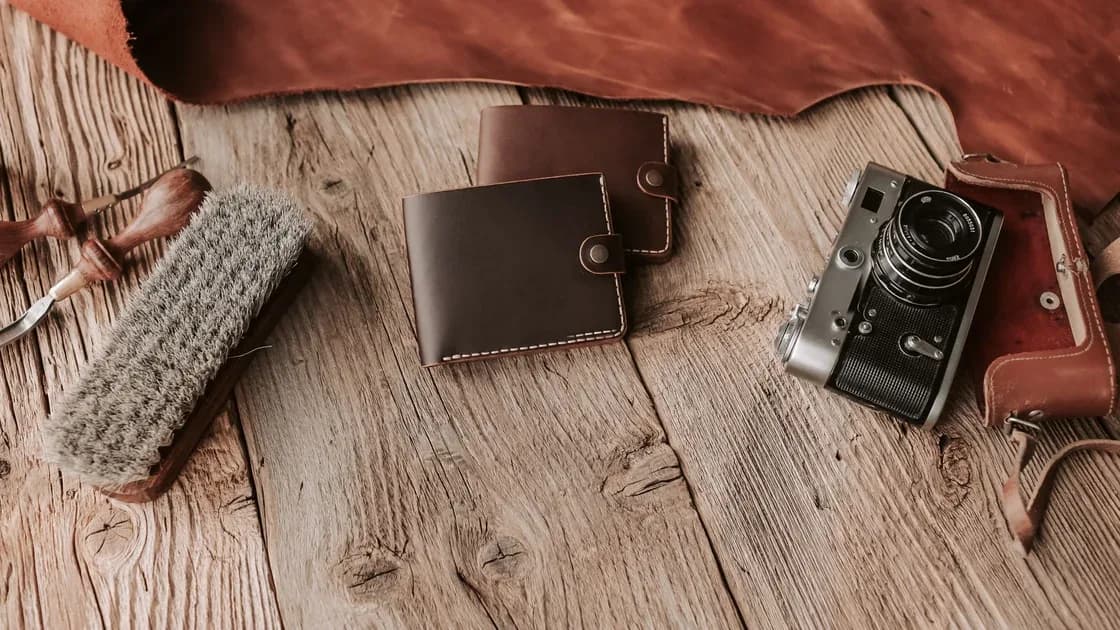

If your wallet is lost or stolen abroad, handle the incident in this order: get to a safe place, list exactly what was inside, lock or formally report every payment card through verified issuer channels, then protect identity documents and access items such as hotel cards or keys. After that, review transactions, arrange essential replacements, and file the police and insurance records your issuer or insurer needs. Do not spend the first critical minutes retracing a route alone in an unsafe place.
Key Takeaways:
- Personal safety comes before property recovery; use venue staff, transport staff, or local police when returning to a location may be risky.
- Inventory the wallet by category: payment cards, cash, identity and travel documents, access items, transport cards, health or membership cards, and written secrets.
- A temporary card lock may buy time, but it is not always the same as formally reporting a card lost or stolen.
- Emergency cash or replacement-card services depend on issuer, network, eligibility, identity checks, location, and local availability.
- If the phone or passport is also missing, branch immediately to those dedicated recovery processes because they affect identity, communication, and border movement.
This guide is a priority map for the wallet incident itself. If you still have a card but it is merely failing, use the bank card troubleshooting guide. If your phone is missing too, begin the lost phone recovery process in parallel.
Move out of traffic, a crowded platform, an isolated street, or any place where someone may be watching your reaction. If theft involved force, threats, injury, or an ongoing risk, contact local emergency services or police and follow staff instructions. Do not chase a suspected thief.
Once safe, note when and where you last definitely had the wallet. Distinguish a confirmed theft from a possible misplacement without delaying card protection. Ask a trusted companion to contact a hotel, restaurant, airline, taxi, or transport lost-property office while you handle the payment cards. Use contact details found independently, not a message from someone claiming to have found the wallet.
If a finder contacts you, do not share a PIN, online-banking password, one-time code, home address, or full identity-document number as “proof.” Ask for a description of a non-sensitive detail and arrange recovery through a staffed venue or police station. Do not go alone to an unfamiliar location or send money in advance.
Write down the contents by function rather than trying to remember one card at a time:
Use the offline travel-document backup guide to identify document numbers and issuer contacts without exposing the backup publicly. Do not put a complete inventory, full card numbers, and document scans into an unprotected shared chat.
Mark which items create immediate spending risk, identity risk, or physical-access risk. That determines the response order. A payment card and a hotel key in the same wallet can link money and room access; an ID showing an address plus house keys can create a different physical risk.
Open the issuer's known app or official website from a trusted device. If a temporary lock is available, use it while confirming the facts. Then contact the issuer and ask whether you must formally report the card lost or stolen. A lock may be reversible, may not block every transaction type, and may not trigger replacement or the legal protections associated with a formal report.
Work through every card, including those used rarely. For each issuer, record:
The FTC advises reporting lost or stolen credit, ATM, and debit cards promptly and reviewing account activity. It also explains United States liability rules and deadlines.[1] Those legal details are specific to the United States; use your own issuer's agreement and the law relevant to the account and transaction.
Visa says it works with the issuing financial institution to cancel a lost card and, after that institution approves, arrange a replacement card, emergency cash, or, at some institutions, a digital replacement card for a mobile wallet.[2] Mastercard likewise describes global emergency support for reporting a lost or stolen card and possible replacement or emergency cash.[3] These services are not universal promises: the issuer, card program, identity checks, local hours, delivery capability, and cash availability determine the result.
If you have a second card stored separately, do not begin using it until you know it was not in the wallet and its credentials are not exposed. Check transaction alerts rather than assuming the missing wallet is the only source of risk.
Cash is usually not remotely recoverable. Record the currencies and approximate amount for a police or insurance report, but do not publish the loss online. Ask the insurer what evidence it requires and whether cash is covered before assuming reimbursement.
For identity and travel documents, contact the issuing authority or appropriate consulate through an official government site. Reporting a document can invalidate it, which may be necessary after theft but can complicate later recovery of a misplaced item. Ask about the consequence before taking an irreversible step when the facts are uncertain and no immediate misuse is evident.
If a passport is missing, use the dedicated passport-loss process for your nationality and destination; border movement, visas, residence status, and police records can all matter. A photocopy is useful evidence but is not a travel document.
Notify the hotel or accommodation provider about a missing key card or key. Ask them to deactivate or replace the credential and avoid saying the room number aloud in a public queue. If keys and an ID containing a home address were together, tell a trusted person or property manager at home and assess whether locks or building access need attention.
Report workplace badges, residence cards, transport passes, car keys, health cards, and insurance cards to their respective issuers. A low-value card can still reveal identity data or provide access.
Check pending and posted transactions for every payment account. Merchant descriptors may differ from storefront names, so compare time, currency, location, and amount before labeling a charge fraudulent. Report unfamiliar activity through the issuer's official channel and save the case reference.
If the wallet contained written passwords, PIN hints, recovery codes, or an identity document used in account recovery, change the affected secrets from a trusted device. Start with email and financial accounts because they can unlock other services. Do not change every password indiscriminately from a borrowed or public computer. If you must open banking apps over hotel or public Wi-Fi, the international travel security guide explains which network precautions help and which bank problems a different connection cannot fix.
Be alert for follow-up fraud. A caller may claim the wallet was found, the bank needs a one-time code, or police require a “verification payment.” Banks and authorities do not need your PIN or full password to receive a loss report. Use a known app, bookmarked official site, or independently verified number.
IdentityTheft.gov provides a recovery-planning service for identity theft reports in the United States.[4] Travelers connected to the United States can use it where applicable; everyone else should use the equivalent identity, consumer-protection, police, or document-issuer channels in the relevant country.
Prioritize what keeps you safe for the next day: secure accommodation, communication, transport, food, medicine, and identity needed for travel. Ask the card issuer whether a replacement can go to a hotel, branch, consulate, or trusted address, and who must accept it. Do not assume a hotel will receive a financial card without prior agreement.
If emergency cash is offered, verify the pickup location, identity requirements, currency, hours, and case number directly with the issuer or card network. Never pay a stranger to “unlock” an emergency transfer. A trusted companion or family member may be able to send money through a reputable service, but both sides should independently verify the recipient and collection process.
Keep temporary payment and replacement documents separate from your phone and remaining luggage. Update travel bookings only when the missing document or card affects them; avoid distributing a new card number across unnecessary services during an incident.
Make a police report when required by local law, the issuer, a document authority, or your insurer, and whenever theft, violence, or identity misuse warrants it. Ask for a report number or written acknowledgment. A police report records the event; it does not itself cancel cards or documents.
Create one incident log with the loss time and place, inventory, calls made, case numbers, recognized and disputed transactions, replacement instructions, and expenses. Save copies somewhere you can access if the phone or luggage is later lost. Redact full card numbers before sharing documents more broadly than necessary.
Contact the travel insurer through its official channel and ask what deadlines and evidence apply. Keep receipts for necessary replacement documents, transport, communication, or accommodation, but do not assume every loss or cost is covered.
Only if it is safe, brief, and another person can protect the accounts at the same time. Card controls and a quick call to lost property usually matter more than searching alone in a risky place.
Not always. A temporary lock may be reversible and may not start replacement, investigation, or legal reporting protections. Confirm the issuer's formal status.
No. Assistance depends on the issuer, card program, eligibility, identity verification, location, operating hours, and local availability. Ask for a case-specific answer.
Contact the passport authority or consulate through an official government channel and follow the nationality- and location-specific process. Do not rely on a copy for travel.
Start the dedicated lost-phone response in parallel from a trusted device. Protect the SIM, email, authentication, device sessions, and payment wallet as well as the physical cards.
Requirements vary. It is especially important for theft, violence, missing identity documents, insurer claims, or issuer requests. Ask for a reference even if a full written copy is not immediately available.
Use a reputable service selected independently, verify the recipient and pickup requirements through official channels, and share the minimum information needed. Do not follow payment instructions from an unsolicited “finder.”
Sources checked 4 October 2026.
This article provides general emergency information, not legal, financial, insurance, or consular advice. Reporting duties, liability, replacements, and emergency services depend on the issuer, document authority, policy, and jurisdiction.
Sign up to experience all premium features at no cost.
*Available only to new users. Each user is limited to one trial.