Start your 3-day free trial
Sign up to experience all premium features at no cost.
*Available only to new users. Each user is limited to one trial.
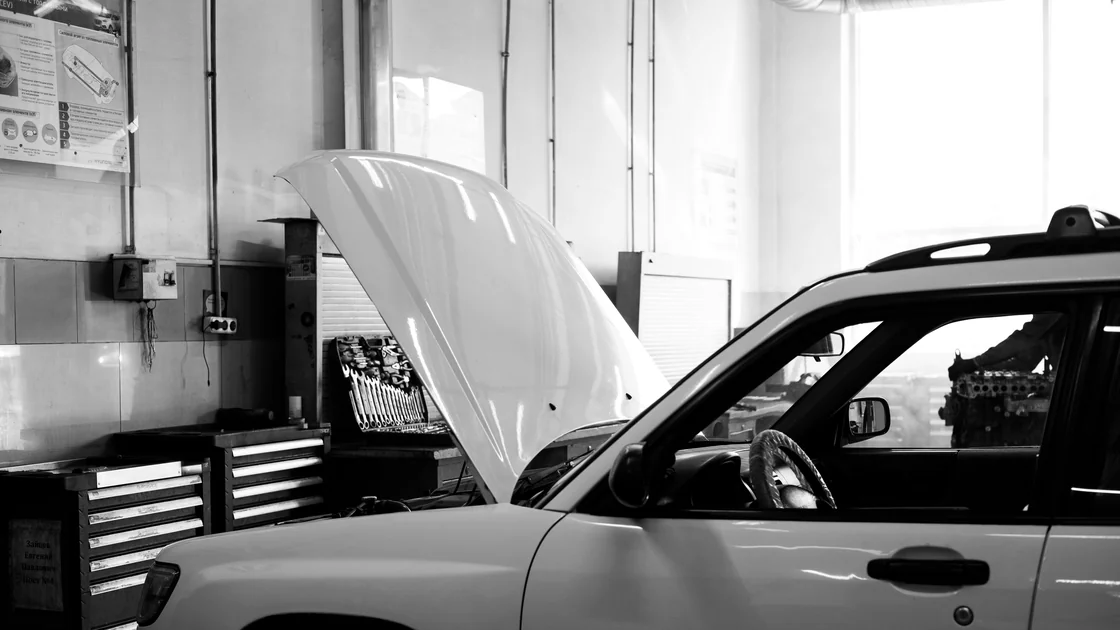

If a rental car breaks down abroad, protect people before the itinerary: follow local road rules, move to relative safety when it is lawful and possible, and contact emergency services for immediate danger. Then call the rental company's authorized roadside channel before arranging repairs or towing, except where safety or authorities require urgent action.
Key Takeaways:
- Use local emergency and road-safety instructions; do not copy a roadside routine from another country.
- Give assistance the exact location, vehicle identity, warning signs, occupants, and hazards.
- Distinguish mechanical failure from a collision, puncture, flat battery, lost key, or misfueling.
- Obtain authorization and destination details before a tow, repair, or replacement whenever feasible.
- Record custody, luggage, receipts, and promises without attempting unsafe roadside diagnosis.
Add the rental company's support details to your international travel plan before driving. During a breakdown, the safest next action depends on the road, vehicle position, traffic, weather, and official instructions—not on completing a generic checklist at the vehicle.
Turn attention first to traffic, fire, smoke, injury, weather, and the vehicle's position. If there is immediate danger, call the local emergency number and follow police, road operator, tunnel, bridge, or motorway-control instructions. Tell them you are in a rental vehicle and whether anyone needs medical or mobility assistance.
Move the vehicle only when it is safe, lawful, and mechanically possible. On some roads, reaching a shoulder or emergency area is appropriate; in other settings, leaving the vehicle or crossing lanes can be more dangerous. The UK Highway Code, for example, gives specific motorway and breakdown procedures for Great Britain.[1] Use it only when it applies, not as a worldwide rule.
Use hazard lights and locally required warning equipment only when doing so does not expose you to traffic. Do not stand behind or in front of the vehicle, attempt a roadside repair in a live lane, or walk along a motorway looking for signal. Keep children and vulnerable passengers under direct supervision.
If the car stops in a tunnel, on a railway crossing, in floodwater, near fire, or where collision risk is high, emergency instructions outrank rental paperwork. Once people are as safe as the situation permits, contact the rental company and give it the emergency-service case or tow instruction.
Provide an exact location using road number, direction, nearest exit, kilometer or mile marker, service area, landmark, and map coordinates when available. A pin alone can appear on the wrong carriageway. Note a callback number and whether voice, SMS, or messaging works at the location.
Give the registration plate, rental agreement number, vehicle make and model, mileage, fuel or battery level, and visible warning lights. Describe symptoms without guessing the cause: “engine stopped and will not restart,” “front-left tire is flat,” or “red temperature warning appeared.” Do not clear warnings or dismantle parts to create a cleaner story.
Classify the event because different assistance and insurance paths may apply. A mechanical failure, puncture, flat battery, lost or locked-in key, empty fuel tank, wrong fuel, charging problem, collision, vandalism, and theft are not the same. Say if the vehicle struck anything, leaked fluid, smoked, overheated, or displayed an electric-vehicle high-voltage warning.
GOV.UK's driving-abroad guidance tells travelers to check licenses, insurance, local driving rules, and breakdown arrangements before departure.[3] This is UK departure guidance, not authority to diagnose or repair a vehicle at the roadside.
Count occupants and identify accessibility, child-seat, medical, pet, or luggage needs. A tow truck may have limited passenger capacity. If you cannot safely remain with the vehicle, tell both the road authority and rental company where everyone is moving.
Find the roadside number in the rental agreement, key tag, windshield information, app, or supplier's official website. Verify any number found through a search result against an official source. If a broker sold the booking, the local rental company normally controls the vehicle and authorized repair network, though the actual contract decides.
Tell assistance the location and incident facts, then ask for a case number, provider name, expected response, and next update time. Confirm whether you should remain with the car, leave the keys, or meet a tow operator. If connectivity is unreliable, agree on an SMS channel or a time to call again.
Do not authorize a local garage, roadside stranger, hotel, or unofficial tow service to repair or move the vehicle merely because help is slow. Unauthorized work can create safety, custody, warranty, and reimbursement disputes. When police or a road operator orders an immediate tow, comply, record the authority and destination, and notify the rental company as soon as possible.
Your Europe advises checking whether rental insurance covers travel in other countries and what breakdown cover is included.[2] That EU-focused guidance highlights questions to ask, but it does not establish global coverage. Read the exact roadside, cross-border, excluded-use, and customer-fault terms in your agreement.
Before the vehicle moves, ask where it will be taken, who authorized the tow, whether a repair may be attempted, and how keys and documents will transfer. Obtain the tow provider's name and vehicle details through the official dispatcher. Do not hand keys to an unverified person who happens to arrive first.
Ask the rental company whether it will provide a replacement vehicle, when and where, and what documents or payment card are required. Confirm class, transmission, seats, luggage, child restraints, accessibility, fuel, insurance, deposit, route permission, and return location. A replacement is a new handover; inspect it and record its condition.
If no replacement is immediately available, ask who arranges and pays for transport, hotel, or onward travel. Get written authorization before spending when practical, but do not stay in an unsafe place solely to wait for approval. Choose reasonable options and keep itemized receipts, times, and reasons.
Confirm whether luggage can remain in the vehicle. Remove passports, medicines, money, devices, house keys, and essential child items when safe and permitted. Inventory larger bags left with the vehicle and record the depot or repair facility. Do not enter a live traffic area to retrieve property.
From a safe position, photograph the overall vehicle, its position, visible condition, registration, dashboard warnings, mileage, fuel or charge level, and relevant road marker. Do not stand in traffic, open a hot cooling system, touch leaking fluid, crawl under the car, or handle damaged high-voltage components for evidence.
Write a timeline of the first symptom, stop, emergency call, rental-company call, authorization, assistance arrival, tow, and passenger transfer. Save call logs, messages, case numbers, tow paperwork, repair records, replacement agreement, and receipts. Record facts and the words used by providers; do not present a roadside guess as a mechanic's diagnosis.
At handover, note who received the keys, vehicle, and luggage, at what time and location. Ask for a receipt or send a confirmation message if none is provided. If an employee performs a joint inspection, keep the condition report. Do not sign a blank damage form or a statement you cannot read without asking for clarification or a copy.
Protect personal information before surrendering the car when it is safe to do so. Unpair a phone and remove saved navigation destinations without resetting evidence relevant to the incident. The road-trip connectivity guide covers advance offline preparation; it cannot replace emergency assistance.
Ask the rental company to confirm whether the original agreement continues with the replacement, ends at the tow, or requires a new contract. Verify the revised return place and time, remaining rental days, fuel obligations, deposit status, and any one-way consequence. Keep both agreements and do not assume the app has updated correctly.
Request an incident or breakdown report and a final invoice. Separate mechanical failure, customer-caused assistance, towing, repair, lost rental time, fuel, and replacement charges. If the company alleges damage or misuse later, use the separate evidence process rather than trying to settle liability during the roadside call.
Notify an insurer or card-benefit administrator within its deadline when coverage may apply. Provide the rental agreement, official assistance record, receipts, and refunds. Do not claim the same cost from the rental company and insurer without disclosing the other payment.
If the supplier does not resolve an authorized expense or unused rental period, submit a written complaint through the contractual seller and applicable dispute route. State what happened, who authorized each action, what service remained unavailable, and the exact amount sought. Local driving law, the rental contract, and insurance terms control the result.
Do not guess. Move only when it is safe and lawful, then follow the vehicle manual, local emergency guidance, and instructions from authorized assistance.
Use the rental company's authorized provider when feasible. If police or a road operator orders an urgent tow, comply and document the authority, provider, destination, and cost.
It depends on the cause, agreement, roadside coverage, insurance, and local law. Obtain an itemized decision rather than assuming every mechanical or customer-caused event is free.
No universal rule guarantees one. Ask about availability, location, class, deposit, insurance, route permission, and how the original agreement changes.
Remove essentials only when safe and permitted. Record items left in the vehicle, the receiving facility, and who accepted custody.
The assistance process may be similar, but coverage and responsibility can differ. Describe the symptom accurately and let the authorized provider classify it.
No. A VPN cannot move the vehicle, identify a mechanical fault, authorize towing, satisfy road law, or guarantee a replacement.
Sources checked 4 September 2026.
This article provides general travel and consumer information, not legal, insurance, mechanical, driving, or emergency advice. Follow local authorities, the road operator, the vehicle manual, and the rental agreement.
Sign up to experience all premium features at no cost.
*Available only to new users. Each user is limited to one trial.