Start your 3-day free trial
Sign up to experience all premium features at no cost.
*Available only to new users. Each user is limited to one trial.

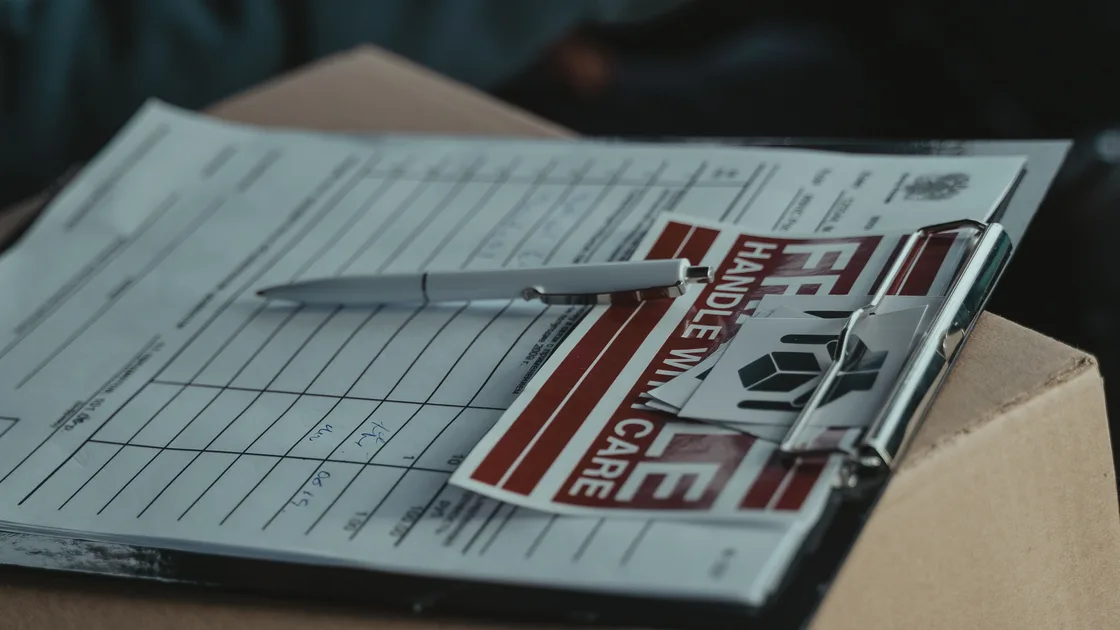
To ship purchases home from an international trip, inventory each item before choosing a service, then check export, import, dangerous-goods, and carrier restrictions for the exact route. Pack for international handling, declare contents and value truthfully, and keep the receipt, customs record, tracking, and condition evidence together.
Key Takeaways:
- Decide whether each item is safer or more economical to carry, check, or ship.
- Check origin, transit, destination, postal, courier, and dangerous-goods rules before packing.
- Describe goods and values accurately; “gift” does not automatically remove customs obligations.
- Photograph contents and packing stages, then match every item to the shipping record.
- Confirm who may owe duties, taxes, handling charges, or return costs before dispatch.
International shipping should be planned within your wider travel and return-home checklist. This article covers new travel purchases and souvenirs, not a household move, commercial export program, or a way to avoid customs controls.
List every item with a plain description, quantity, material, brand or model where relevant, country of manufacture if known, purchase price, currency, receipt, and intended recipient. Photograph the item and serial number without publishing them. Separate fragile, valuable, perishable, liquid, powered, magnetic, sharp, cultural, plant, animal, food, medicine, alcohol, and tobacco items for extra checking.
Compare carrying the item with checked baggage and shipping. Consider airline allowances, oversize handling, theft exposure, customs process on arrival, delivery time, insurance limits, and how soon you need the item. A parcel can be convenient but may introduce brokerage, storage, return, or remote-area charges.
Do not assume a shop's international-shipping offer transfers every obligation to the shop. Ask which carrier and service it uses, who completes the declaration, who is exporter and importer, whether duties are prepaid, what insurance applies, and what happens if delivery or customs clearance fails.
Keep receipts legible. If a combined receipt includes items you are carrying and shipping, annotate a copy while preserving the original. A card statement can prove payment but rarely provides the material and item detail needed for restrictions, valuation, or a claim.
Check the origin postal operator or courier, destination customs authority, and any transit restrictions for the exact service. A product permitted for sale locally may still be restricted for air transport, export, import, quarantine, wildlife protection, intellectual property, or postal reasons.
The UPU describes customs as a core part of the international postal supply chain and supports advance electronic exchange between posts, airlines, and customs.[1]
Pay special attention to lithium batteries, power banks, perfume, aerosols, alcohol, matches, lighters, paint, adhesives, pressurized containers, medicines, plants, seeds, meat, dairy, and untreated wood. Rules can differ depending on whether a battery is installed in equipment, its rating and condition, and whether transport is by air or surface.
The Universal Postal Union explains that dangerous goods are prohibited or restricted in international mail and that postal staff and customers share responsibility for keeping them out of the postal network.[2] This does not replace the acceptance rules of the operator taking your parcel.
Ask for written confirmation when an item is unusual. Do not hide a battery inside another object, label perfume as “cosmetics,” or split a prohibited shipment merely to avoid screening. If an item cannot legally travel through the chosen service, carry it only if passenger rules allow, select a qualified specialist, return it, or leave it behind safely.
Obtain quotes using the packed dimensions, actual weight, route, item category, value, and delivery postcode. Volumetric weight can matter even when contents are light. Compare tracking depth, signature options, declared-value coverage, exclusions, claim limit, claim filer, customs brokerage, storage, remote-area service, return handling, and customer support.
Distinguish postal delivery from express courier clearance. The destination's postal operator may deliver an international postal item, while a courier may use its own broker and fee structure. Neither route guarantees exemption from customs review. Ask whether the recipient must create an account, appoint a broker, or submit identity and tax information.
Confirm the delivery address in the format accepted by the destination. Include recipient name, unit, street, locality, region, postcode, country, and a reachable contact only where required. Use the receiving-mail-abroad guide if the destination is temporary accommodation or an address you do not control.
For multiple cartons or relocation goods, stop and use the household-shipping guide. A souvenir-parcel workflow should not be stretched into an international move with different inventory, insurance, and import-relief rules.
Use a strong container sized for the contents, with intact seams and enough cushioning on every side. Wrap fragile pieces individually, prevent movement, protect edges, isolate liquids with permitted leak containment, and keep closures from touching delicate surfaces. Do not reuse a box carrying obsolete dangerous-goods labels or barcodes.
Before sealing, photograph the item condition, serial or identifying detail, arrangement, cushioning, inner closure, and final outer package. Keep a packing list outside the parcel record, not as the only copy inside. Match each photograph to an inventory line so a claim reviewer can tell what was present and how it was protected.
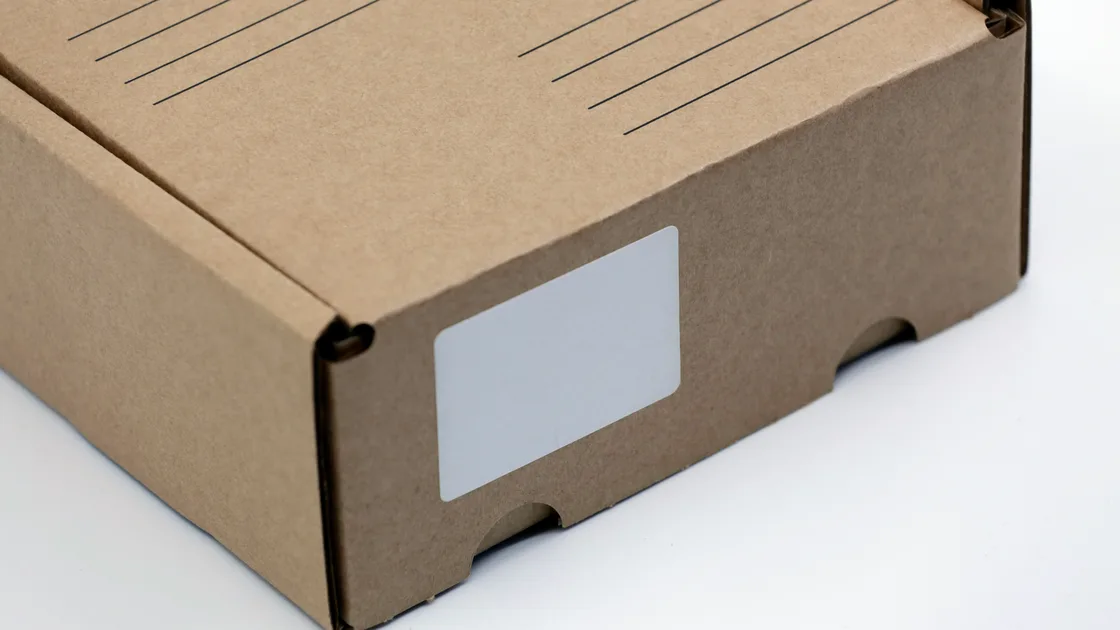
Remove or obscure obsolete shipping labels, then apply the new label flat without covering seams. Follow the carrier's instructions for customs pouches and duplicate documents. Do not place passports, irreplaceable original documents, cash, cards, passwords, or recovery keys in an ordinary merchandise parcel.
Ask the counter or pickup agent to confirm package acceptance and any special handling declaration. Keep the measured weight, dimensions, service, tracking number, acceptance scan, insurance or declared value, and payment receipt. A label created online without carrier possession is not proof of dispatch.
Use specific descriptions such as “one cotton shirt” or “ceramic cup,” not “stuff,” “personal effects,” or “samples” when those terms are inaccurate. State quantity, weight, value, currency, origin, and purpose as required. A purchase sent to yourself remains a purchased good; marking it as a gift does not automatically remove duties, taxes, or restrictions.
The UPU EAD application can help postal customers in participating systems provide electronic customs-declaration data.[3] Availability and required fields still depend on the accepting post and route.
Use genuine purchase prices and keep receipts. If a form requests customs or tariff codes and you are unsure, use the official destination guidance or ask the carrier; do not guess a code to obtain a lower charge. Separate carrier insurance value, declared customs value, and retail replacement value where the forms treat them differently.
Confirm whether duties and taxes are collected from the sender, recipient, or on delivery, and whether the service supports prepaid charges. The personal-belongings customs guide explains why estimates are not guarantees. Never promise the recipient a fixed tax or de minimis outcome without current official route-specific confirmation.
Send the recipient the carrier name, tracking number, truthful contents summary, expected contact method, and warning not to pay through unverified links. Customs or delivery messages are common impersonation themes. Verify any request by opening the carrier or customs site independently and matching the tracking record.
Monitor acceptance, export, transit, import, customs, delivery-attempt, and final-delivery events. A long gap is not automatically loss, and “customs clearance” may require action. Keep screenshots or downloaded records when a deadline or dispute is approaching, because tracking histories may later be shortened.
If the carrier requests documents, submit only through its verified channel and keep the request, upload list, and confirmation. If the recipient refuses charges or cannot clear the parcel, ask what happens next: return, storage, disposal, or abandonment can carry fees. Do not ignore the parcel until a storage deadline expires.
For damage, photograph the unopened parcel, label, seals, all sides, internal packing, and item before disposal. For shortage, preserve weight records and inventory. Ask who is entitled to file the claim, what deadline and evidence apply, and whether the parcel must remain available for inspection. Avoid unverified forwarding firms; the moving-company scam guide provides useful identity checks even though this is a smaller shipment.
Generally, purchased goods still need an accurate declaration when the service requires one. Sending them to yourself or calling them gifts does not automatically remove import obligations.
Many services prohibit or tightly restrict them, especially by air. Check the exact battery type, rating, condition, packaging, route, and accepting carrier before presenting the parcel.
Possibly, but transport, postal, customs, quarantine, and destination rules may each apply. Obtain route-specific acceptance rather than hiding the item under a vague description.
Follow the carrier and customs instructions, but always retain your own copies. A document inside an inaccessible or lost parcel cannot be your only valuation evidence.
It depends on the destination, service, declaration, and shipping terms. Confirm whether charges are prepaid or collected from the recipient and disclose that arrangement before dispatch.
Keep the inventory, receipts, condition photos, packing photos, weight, acceptance receipt, tracking, declared value, delivery evidence, and all carrier correspondence. Preserve the package if inspection may be required.
No. It can protect a network connection within its technical scope, but it cannot make an item admissible, complete a declaration, remove charges, or direct customs and carrier decisions.
Sources checked 4 September 2026.
This article provides general shipping and record-keeping information, not legal, customs, tax, insurance, or financial advice. Acceptance, charges, deadlines, and remedies depend on the goods, route, carrier, and jurisdiction.
Sign up to experience all premium features at no cost.
*Available only to new users. Each user is limited to one trial.