Start your 3-day free trial
Sign up to experience all premium features at no cost.
*Available only to new users. Each user is limited to one trial.
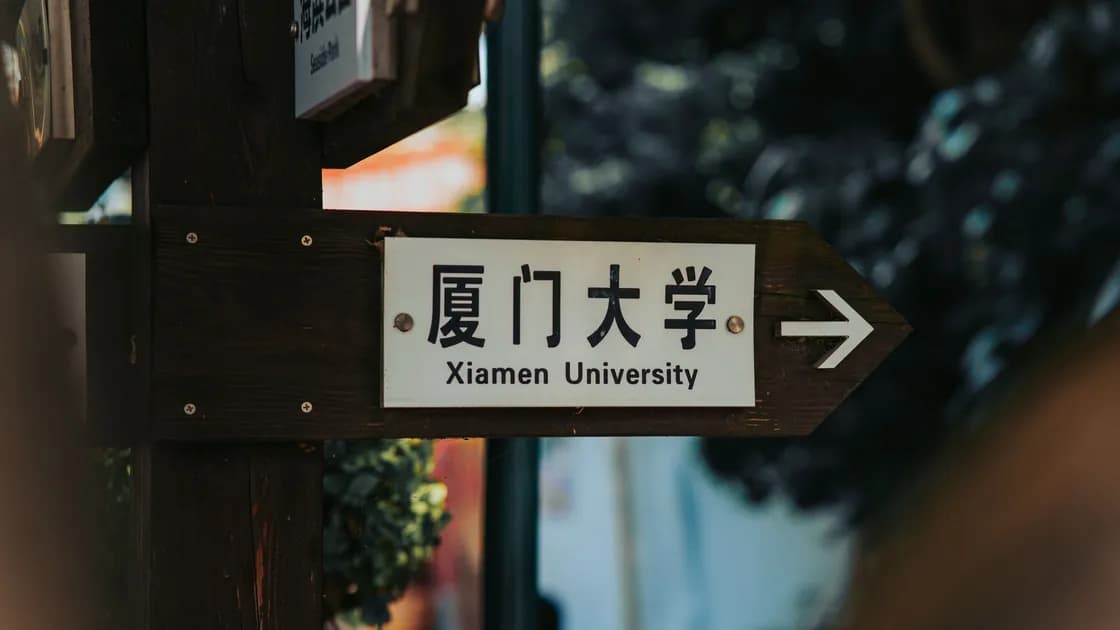

If your university changes your campus after visa approval, do not assume that a new address either invalidates your permission or requires no action. First establish whether the institution, sponsor or designated learning institution, course, start date, and immigration record remain the same. Then obtain corrected documents and a written answer from the authority that governs your status.
Key Takeaways:
- Preserve the original offer, visa application, approval, and campus-change notice.
- Compare legal institution and immigration identifiers, not only university branding.
- Ask the university which records it will amend and whether it will report the change.
- Treat Canadian DLI rules as a Canada-specific example, not a worldwide rule.
- Confirm immigration, housing, tuition, and travel consequences separately.
This problem sits inside a wider international study and travel plan. A campus name on an email, an academic record, a sponsor record, a visa decision, and a housing contract can change on different dates, so close each record with its actual owner.
Save the complete message that announced the change, including sender, date, attachments, portal URL, and any deadline. Export the original offer, confirmation of enrollment or acceptance, fee receipt, accommodation offer, visa application summary, supporting institutional document, and approval notice. Keep the files as received and work from copies when annotating them.
Confirm that the message is genuine through a contact route already published on the university's website. Do not reply with a passport or visa image merely because the email looks urgent. Ask the admissions or international office to confirm the new campus name, full address, effective date, reason, and whether the change applies to the whole course or only particular teaching activities.
Create a two-column record headed “submitted or approved” and “now proposed.” Include the institution's legal name, campus, course title and level, start and end dates, student number, sponsor or DLI identifier, tuition, study mode, and expected arrival or registration site. This prevents a reassuring phrase such as “same university” from hiding a change that matters to another system.
If the institution says you have transferred, withdrawn, or received a new admission rather than merely changed location, use the separate guide to student visa status after withdrawing from a course. Do not force that different event into a campus-change workflow.
Ask the university to classify the event in writing. It may be a room or building relocation, another campus operated by the same legal institution, a delivery-partner site, a new sponsoring entity, or a replacement offer for a different course. Marketing names are not enough: compare official identifiers used in the visa or permit process.
Use a compact comparison table:
| Field | What to verify |
|---|---|
| Institution | Same legal education provider or a different one? |
| Sponsor or DLI | Same official identifier and status? |
| Course | Same title, level, mode, and duration? |
| Dates | Same start, completion, and latest-arrival dates? |
| Location | Which activities move, and for how long? |
| Documents | Which acceptance or sponsorship record will be replaced? |
Do not infer the answer from distance alone. A move across a city may involve another provider, while a campus in another region may remain under the same institution and record. Equally, a visa sticker or approval letter that does not display a campus address does not prove that the underlying application facts are irrelevant.
Ask whether teaching, attendance reporting, work-placement eligibility, tuition, scholarship, insurance, or registration procedures change. Record “unchanged” only when the responsible office confirms it; leave uncertain fields visibly open.
Review the version of the application actually submitted, not a later draft. Mark every field affected by the new arrangement: school identifier, course, education level, study location, dates, funding, accommodation, travel plans, and documents issued by the university. Note whether the authority has already been told and by whom.
In Canada, IRCC distinguishes changing a program or school from other updates and publishes specific rules for post-secondary students changing designated learning institutions.[1] The DLI list lets a student verify an institution's listed campuses and eligibility information.[2] These are Canadian checks only. They do not establish what a same-university campus move means in another country, and they should not be turned into a universal “new visa required” rule.
If your country uses a sponsor, confirmation number, electronic student record, or institution-issued eligibility document, ask the university which identifier controls the case. If a corrected record is required, ask whether the earlier one will be canceled, superseded, or amended. Keep both versions and the written explanation connecting them.
Do not submit speculative duplicate applications or contradictory change notices. If the facts are unclear, prepare the comparison and ask the institution or authority a narrow question. A complete, dated question is easier to answer than “Will my visa be okay?”
Ask the international office or admissions team for the document that reflects the final arrangement. Depending on the system, that might be a revised offer, acceptance letter, enrollment confirmation, sponsorship statement, campus letter, or portal record. Check your name, student number, official institution name, campus, course, dates, fees, and issue date.
Request a written answer to four operational questions: whether the university has reported or will report the change; which authority or case reference it used; whether you must make a separate submission; and whether you should travel or register before that step is complete. Ask for the policy or official instruction behind the answer.
If a corrected enrollment record is delayed, track that request separately using the guide to a missing university enrollment confirmation. A help-desk ticket is useful evidence, but it is not a substitute for the document an airline, border officer, landlord, or immigration authority may require.
Protect passport and application material. Upload it only through an authenticated university or government channel that explicitly requests it, and retain the receipt. The guide to storing immigration application records safely explains how to preserve originals, working copies, and submission evidence without spreading sensitive files across inboxes.
Use the official immigration authority for the country and your exact permission category. State whether you are inside or outside the country, whether the course has started, and precisely which fields changed. Provide the institution's written classification and corrected document. Ask whether an update, new application, new supporting document, or no immigration filing is required, and request a case or inquiry reference.
Do not rely on another student's outcome, a search-result snippet, or an adviser discussing a different nationality or permission type. If an authority cannot give individual advice, use a qualified immigration adviser where the timing or consequence is material. Do not invent a deadline; equally, do not ignore a deadline printed in an official notice while waiting for a general reply.
Before departure, check whether the carrier or border process expects evidence tied to the original or new campus. Carry the approval notice and the university's campus-change explanation in the form permitted by the relevant process. Complete the institution's international student office registration at the location and through the channel the university confirms.
If the move affects arrival timing, ask the university for the latest permissible arrival date and whether attendance begins online or in person. Keep immigration permission separate from an institution's academic permission to arrive late; one does not automatically grant the other.
Contact accommodation, finance, scholarship, transport, insurance, and accessibility teams with the confirmed effective date. Ask whether contracts, deposits, campus-specific fees, commuting support, or coverage change. Do not cancel housing or buy a non-refundable replacement until the institution identifies the actual teaching site and the relevant contract owner explains the options.
Create a closure log. For each system, record the owner, requested change, response date, resulting document, money due or refundable, and next deadline. Verify that the final campus appears consistently in the university portal and any immigration record you are entitled to view. Preserve mismatches rather than silently correcting your own copy.
If a dispute remains, use the university's published complaint or appeal route and keep academic, immigration, and contractual questions separate. A complaint about inconvenience does not itself update a government record, and an immigration update does not settle a housing refund.
No universal answer applies. It depends on the jurisdiction, permission category, legal institution, sponsor or DLI record, course, dates, and any reporting rule. Obtain a written classification and use the applicable authority's guidance.
Not necessarily for every administrative system. Compare the legal provider and official immigration identifier rather than the brand name alone.
Do not submit a duplicate or contradictory application without identifying the required process. Give the authority the exact differences and ask whether an update, replacement document, or new application is required.
The displayed document may not contain every fact held in the application or sponsor record. Compare the submitted application and ask the institution which underlying record changes.
Ask the institution and relevant authority which document set is valid. Carrying an obsolete letter without the change explanation can create an avoidable mismatch.
Document the added cost and ask the institution, accommodation provider, and scholarship owner about their formal remedies. Keep this contractual question distinct from immigration compliance.
Keep both offers, the campus notice, identifiers, visa application and approval, authority inquiries, corrected documents, fee and housing correspondence, registration proof, and final written decisions.
Disclaimer: This guide provides general administrative information, not legal or immigration advice. Campus, sponsor, DLI, visa, permit, reporting, housing, and tuition rules vary by institution, country, jurisdiction, permission category, and individual facts.
Sources checked 12 September 2026.
Related Reading:
Sign up to experience all premium features at no cost.
*Available only to new users. Each user is limited to one trial.