Start your 3-day free trial
Sign up to experience all premium features at no cost.
*Available only to new users. Each user is limited to one trial.
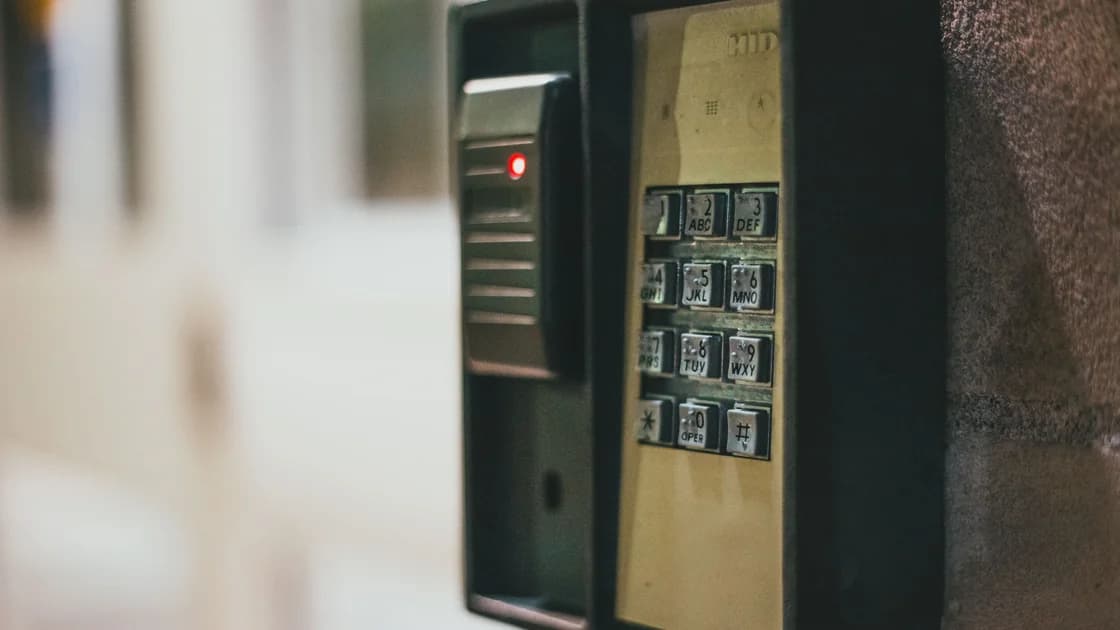

If a vacation rental check-in code does not work, stop trying random combinations and first confirm the address, unit, arrival date, local time, and entrance in your verified booking. Then use only the low-risk retries allowed by the instructions, contact the verified host inside the booking, and notify the platform while preserving evidence. If you are outside, cold, alone, or approaching a safety deadline, arrange a safe fallback before spending more time troubleshooting.
Key Takeaways:
- Confirm the address, unit, date, time zone, entrance, and code format before retrying.
- Follow only the written low-risk steps; never pick a lock, reset a device, or publish a code.
- Contact the verified host through the booking and notify the platform with arrival evidence.
- Choose a fallback based on time, weather, transport, accessibility, and personal safety.
- Keep host, platform, contract, emergency, card issuer, and law-enforcement matters separate.
- Record extra costs and request rebooking or a refund later; do not assume a universal refund right.
This guide sits within the broader international travel preparation plan. A failed code may be a time or device mismatch, host error, platform issue, or security concern. Airbnb describes door, lockbox, keypad, and smart-lock codes; another policy page lists lock-outs as an issue example.[1][2] Neither creates universal rental rights or an automatic refund.
Open the booking through the platform's normal app or typed website address. Compare the displayed address with the building, street number, unit or floor, and entrance instructions. Check whether the reservation uses a separate annex, rear entrance, parking gate, or shared lobby. A nearby building with a similar name can make a correct code appear broken.
Check the arrival date against the property's local calendar and current local time. A code may be scheduled for the reservation's check-in window, not the traveler's home time zone. Read the stated time format carefully, including 12-hour versus 24-hour notation. Confirm whether the host sent a new code after a booking change, extension, early arrival request, or identity check.
Match the code to the right object. A front gate, building door, lockbox, apartment door, and alarm can each have different credentials. Do not assume a four-digit number belongs to the nearest keypad. Look for a physical label or instruction that identifies the entrance without exposing the code publicly.
Record the time and what you observed: the keypad was dark, the box rejected the number, the lock opened but the key was missing, or the door did not release. Take a discreet photo only if it does not reveal a code, private resident information, or another guest's identity. Keep the booking confirmation and instructions offline in case reception fails.
Read the host's exact instructions before touching the device. Safe, instruction-permitted actions might include waking a keypad, pressing a clearly labeled confirm key, aligning a lockbox dial, entering the code slowly, or checking that a latch is fully closed before trying again. If the instructions say to wait between attempts, follow that limit.
Do not keep guessing. Repeated failures can trigger a lockout, battery-saving mode, or an alarm. Never pick the lock, force the door, remove a cover, reset or reprogram a smart lock, disconnect power, use a hidden override that was not provided, try a neighboring property, or ask another guest for a code. Never publish the code in a group chat, review, photo, or social post.
If the instructions mention a temporary code, check its spelling, leading zeroes, and any required symbol without changing it. Do not infer a new code from a phone number, address, booking reference, or date. Do not pay an unverified unlock fee or send a deposit to a new account because someone claims to be a technician.
After the permitted attempts fail, stop. Note the number of attempts and the exact error, then move to verified support. Troubleshooting should never outrank staying out of traffic, away from unsafe strangers, and protected from severe weather.
Use the host profile, platform message thread, or contact route shown in the original booking. Avoid a new number copied from an unverified message or a caller who asks you to leave the platform. State the reservation reference, property address, unit, local arrival time, and the precise failure. Ask for a written correction, an approved alternative entrance, or an in-person solution.
Ask the host to confirm that the code belongs to your reservation and that the unit is ready for the booked date. If the host says the code was changed, request the new instruction inside the platform thread. Do not share passport scans, one-time codes, full card numbers, or extra identity information merely to unlock a door. Use the travel-booking scam checklist if a message suddenly requests a wire transfer, cryptocurrency, gift card, or off-platform payment.
Give the host a practical response deadline based on conditions. A short wait may be reasonable in daylight near a safe public place; it is not reasonable to remain exposed late at night, in extreme weather, or with a child, disability, medical need, or limited battery. Ask the host to confirm who will attend and how you can identify the authorized person without opening the door to a stranger.
Open a support case through the booking itself and describe the problem as a failed arrival access attempt. Include the booking reference, scheduled check-in time, address, unit, code error, permitted steps tried, host contacts, and your current safe location. Ask the platform to confirm the case number and the next response channel.
Preserve the original confirmation, access instructions, platform messages, call log, receipts, map or transport record, and time-stamped photos that do not expose sensitive codes. If a photo is necessary, frame only the relevant lock or entrance and redact codes and unrelated people before sharing. Keep originals privately and make a short evidence index.
Separate the platform's support decision from the contract and local law. Airbnb lists lock-outs as an issue example, while its Terms of Service incorporate a separate Rebooking and Refund Policy for Homes by reference.[1][3] These are platform-specific processes; they do not decide every contract or country.
If the property appears occupied by someone else, the host or platform suspects fraud, or a person demands payment to release access, do not confront anyone. Leave the immediate area and use an official emergency route if there is an imminent threat. For a non-emergency dispute, keep communication factual and use the platform's case channel.
Decide with a safety threshold, not only a refund calculation. Consider the time until darkness, temperature, rain, transport availability, phone battery, luggage, health needs, children, disability access, local safety, and how far you are from a staffed public place. A cancellable hotel, staffed hostel, airport or station service desk, trusted local contact, or appropriate consular emergency channel may be a safer temporary option.
Choose a verified provider and pay through a traceable channel. Do not accept a stranger's proposed apartment, enter a neighboring unit, or let urgency push you into an off-platform transfer. If you book a fallback, capture the total price, taxes, address, check-in terms, and why it was necessary. Prefer an option that keeps your next decision reversible while the original booking is reviewed.
Tell the host and platform that you moved to safety and whether you still want access or rebooking. Do not promise that every replacement cost will be reimbursed. If accessibility, medication storage, a late arrival, or a required appointment limited your choices, record that fact and keep supporting evidence.
Create a chronology after you are safe: booking and payment, arrival, verification, permitted retries, host messages, platform case, fallback decision, and later resolution. List each extra cost separately, including lodging, transport, communication, meals caused by the delay, and non-refundable arrangements. Keep invoices, receipts, timestamps, and proof of payment. Do not inflate an amount or combine unrelated losses.
Ask the contracting party what remedy is available: corrected access, comparable rebooking, cancellation, refund, credit, or review of reasonable additional costs. Define “comparable” using dates, location, capacity, accessibility, essential facilities, and total mandatory fees. A more expensive upgrade is not automatically a compensable replacement, and a cheaper substitute may not meet a safety or accessibility need.
If a refund is promised, request the amount, currency, payment route, and processing date in writing. A platform credit, host promise, insurance claim, card dispute, and legal complaint are separate processes. Tell each party what has already been refunded or credited. Contact the card issuer only with an accurate description of the authorized transaction and the access failure, and follow its deadlines and evidence rules.
Check the accommodation contract and any insurance policy for governing law, notice requirements, exclusions, and assistance obligations. If you need legal or consumer help, use the route that has jurisdiction over the relevant business and agreement. There is no global rule guaranteeing a full refund or all consequential costs.
Move to a safe position, verify the address, unit, local date and time, entrance, and code purpose, then follow only the written low-risk steps. Stop after the permitted retries fail.
No. A neighboring property may have a different guest, contract, and security system. Contact the verified host and platform instead, and never force or bypass an entrance.
Only after the host or platform verifies the person, scope, and payment route in the booking channel. Do not pay an unverified fee, transfer, or deposit created by an unexpected message.
Keep the confirmation, instructions, arrival time, permitted attempts, error description, host and platform messages, case number, safe-location record, and necessary photos that do not reveal sensitive codes.
Not necessarily. Ask what policy and contract terms apply, document why the fallback was reasonable, and keep the refund, credit, insurance, issuer, and legal processes separate.
Only while it remains safe and practical. Time, weather, darkness, transport, health, accessibility, children, luggage, and phone battery can justify moving to a staffed fallback before the host replies.
No. It can be a scheduling, battery, device, or host error. Treat a request for off-platform payment, secret sharing, or confrontation as a separate safety warning and use verified support.
Use verified booking and emergency channels when connectivity is unreliable.
Sources checked 6 September 2026.
This article provides general travel and record-keeping information, not legal, financial, insurance, emergency, or accommodation advice. One platform describes code-based check-in and separately lists lock-outs as an issue example; neither creates universal rental rights. Rights, remedies, deadlines, and complaint routes depend on the contract, platform, issuer, law, and jurisdiction.
Sign up to experience all premium features at no cost.
*Available only to new users. Each user is limited to one trial.