Start your 3-day free trial
Sign up to experience all premium features at no cost.
*Available only to new users. Each user is limited to one trial.
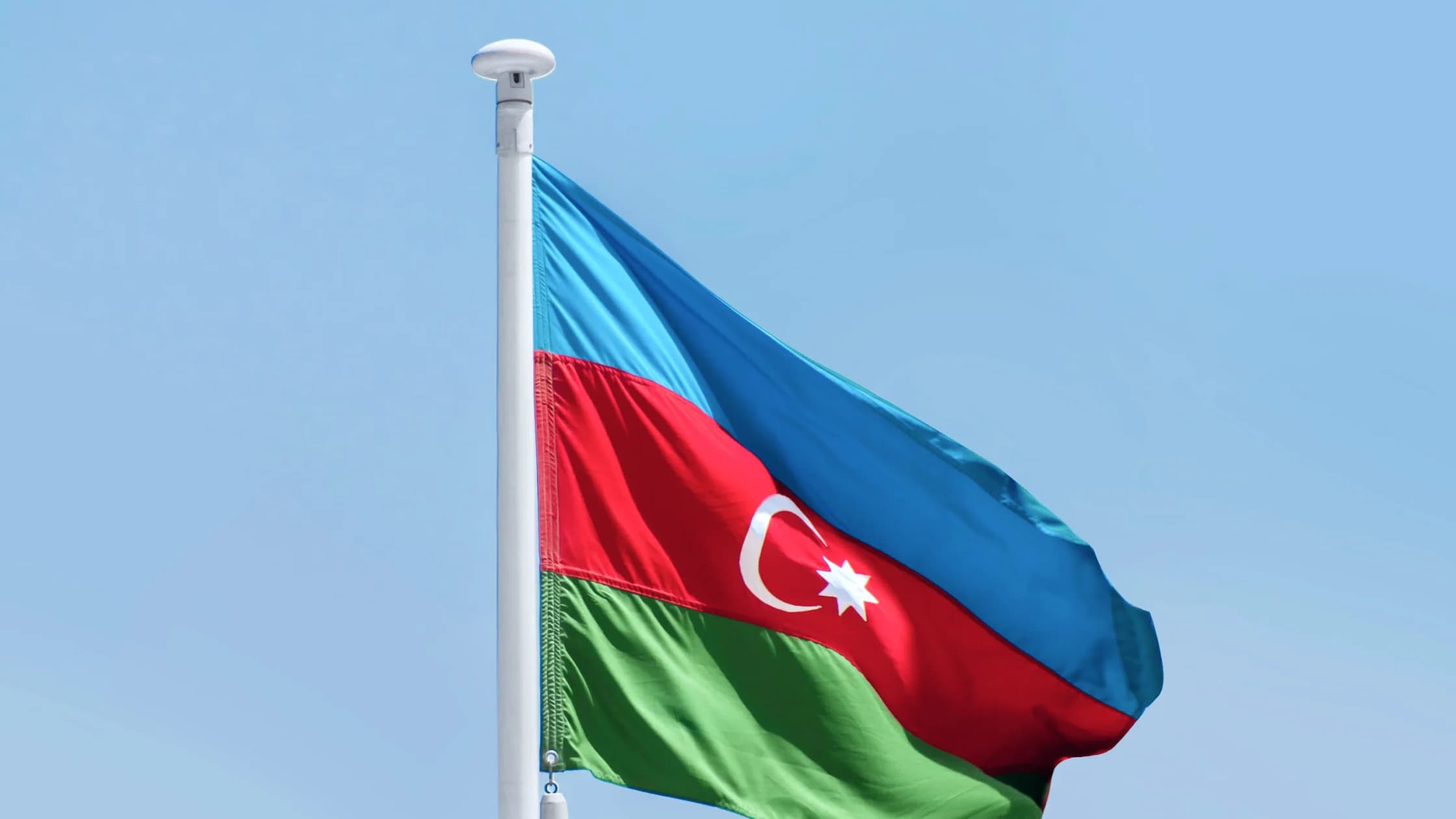

Azerbaijan Blocking Media refers to restrictions on news sites, social platforms, and messaging services during conflict or political tension in Azerbaijan. For ordinary users, it means narrower news access, slower communication, and a higher risk of trusting unverified information.[1]
During conflict and political tension, the flow of information becomes sensitive. If news sites, social platforms, or messaging apps are restricted, people have a harder time getting independent reporting and confirming safety information with the outside world.
Freedom House has long documented censorship, arrests, and pressure on online expression in Azerbaijan's internet environment.[2]That makes media blocking part of a broader information ecosystem, not a standalone technical issue. The same preparation logic applies in many restricted-network environments: the China VPN guide shows how to evaluate routes, obfuscation, and fallback access before you need them.
The common methods include DNS failures, unreachable IP addresses, disrupted HTTPS handshakes, and throttled app traffic. From the user side, it may look like a page will not load or images keep spinning, but the technical layer behind it can differ.
Start with three checks: whether ordinary international sites load, whether the same site works on another network, and whether the app and web version behave the same way. If only specific media or social platforms are affected, read what a social media shutdown means.
If the local network identifies VPN protocols, a standard connection may fail. In that case, obfuscation or manual configuration may be needed. See what VPN obfuscation means.
Do not rely on a single social platform. A stronger approach is to compare official notices, international media, local independent outlets, NGO reports, and satellite or map information. OSCE's media freedom work also emphasizes the importance of media pluralism and press freedom for the public information environment.[3]If a claim appears only in anonymous channels and lacks time, place, source, and secondary confirmation, treat it as lower confidence.
Protect your browsing history and accounts as well. Do not log in through unfamiliar mirror sites, do not install unknown "news apps," and do not post identity documents, location details, or contact lists in public channels.
Not necessarily. Often, specific media, social platforms, or messaging services are restricted while ordinary websites still work. It depends on time, carrier, and region.
No. VPNs can help with some blocks, but connection quality can drop if protocols are identified, traffic is throttled, or the network itself is unstable.
Not always. It could be a server issue, DNS error, CDN problem, or local network instability. Test another network, DNS resolver, and device before deciding.
Prioritize outlets with editorial accountability and transparent bylines, international organizations, official emergency information, and multiple independent sources. Do not rely only on anonymous channels.
Rules vary by country and region. Review local law and real-world risk before use, especially during conflict or politically sensitive periods.
Disclaimer: VPN regulations vary by country and region and are subject to change. This article does not constitute legal advice. Please review and comply with your local laws before using a VPN.
AethoVPN supports the VPN substep in “Azerbaijan Blocking Media: 2026 Guide”; service and account rules still apply.
Sources:
Sources checked 8 May 2026.
Related Articles:
Sign up to experience all premium features at no cost.
*Available only to new users. Each user is limited to one trial.