Start your 3-day free trial
Sign up to experience all premium features at no cost.
*Available only to new users. Each user is limited to one trial.
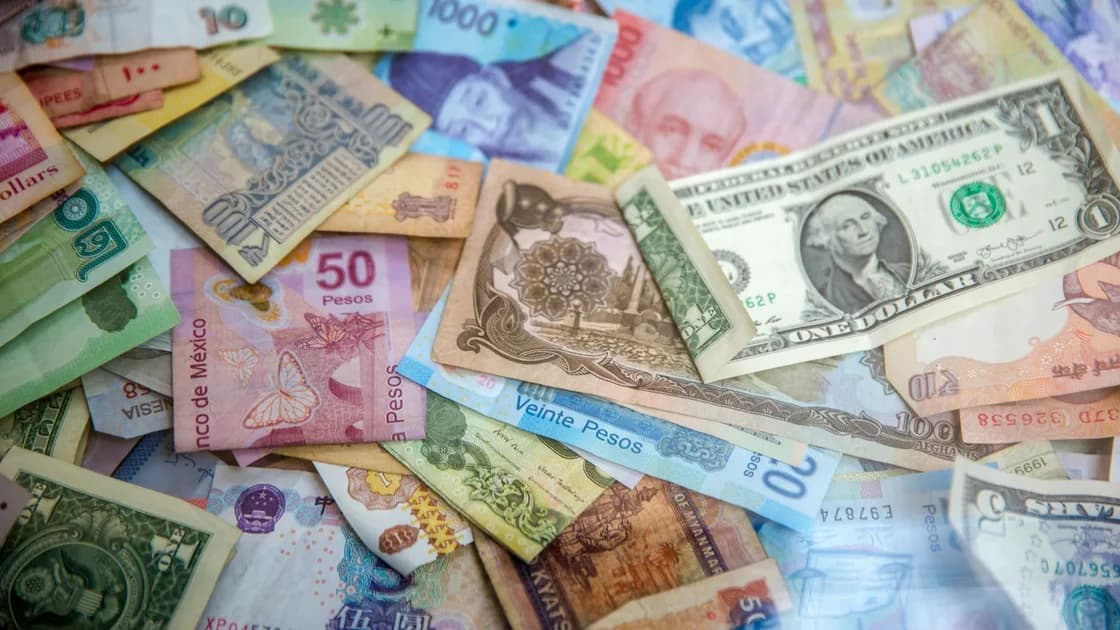

To exchange foreign cash at a bank in China, first confirm that the specific outlet handles cash foreign exchange and accepts your currency. Bring your original passport and intact banknotes, ask for the rate, fees, and renminbi amount before signing, then count the cash and keep the receipt.
Key Takeaways:
- Foreign-exchange service varies by bank, branch, currency, note, and operating day.
- A branch can offer banking services without handling foreign cash at that counter.
- Compare the final renminbi amount, not a rate seen earlier online.
- Keep the exchange receipt in case you later need to explain or reverse part of the currency trail.
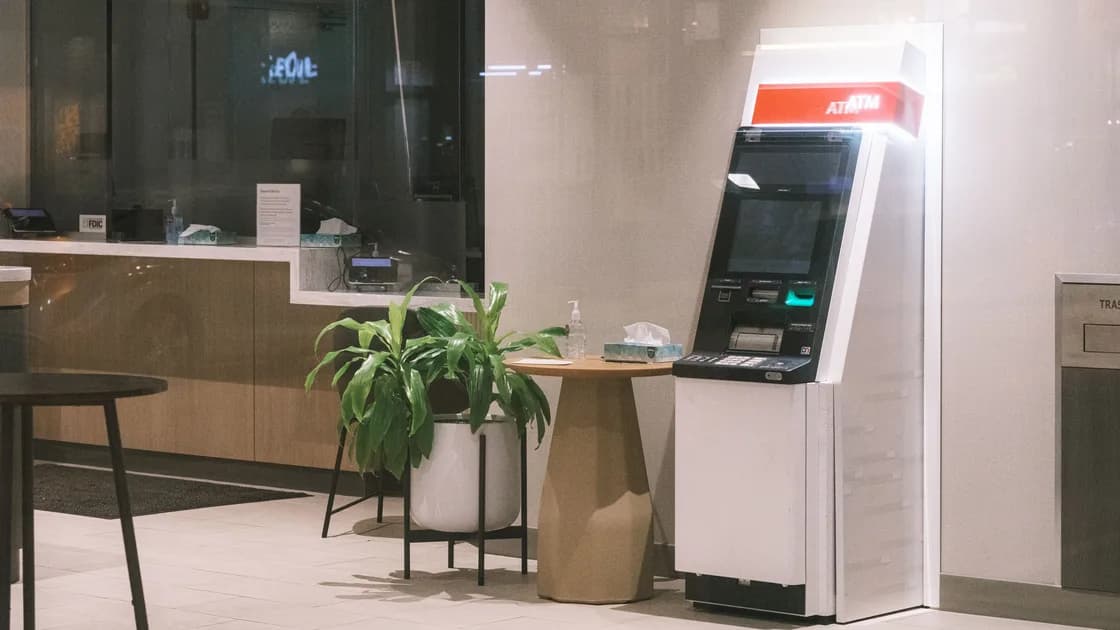
China's government guide says foreign visitors can exchange currency at commercial-bank outlets, qualified money changers, and some self-service machines.[1] Its payment guide separately describes bank outlets, exchange signage, and ATMs.[2] These are different channels: an ATM withdrawal is not a teller exchanging physical foreign notes.
| Route | What happens | Check first |
|---|---|---|
| Bank counter | Staff buy accepted foreign notes and pay RMB | Branch, currency, documents, note condition |
| Qualified exchange outlet | Licensed counter performs cash exchange | Authorization, displayed terms, receipt |
| Self-service exchange machine | Supported notes are processed by a machine | Currency, document support, instructions |
| ATM withdrawal | Your card account is charged and RMB is dispensed | Card support, issuer terms, ATM prompts |
Use a bank's official branch finder or customer-service channel, then contact the specific outlet. Ask whether it handles foreign-currency cash for a visitor, whether your currency and denominations are supported, which documents are required, and when the relevant counter operates.
Do not infer service from the bank's logo alone. A small branch, weekend counter, or cashless service point may refer you elsewhere. Record the Chinese branch name and address so a driver and bank employee can identify it.
Ask whether an appointment or queue ticket is required.
Before traveling to the branch, check each note for tears, writing, tape, stains, missing corners, heavy wear, or other damage. Banks may reject a note based on authenticity or condition even when they accept that currency generally. Do not clean, repair, or alter it.
Separate denominations and count them privately. Avoid displaying the whole amount in public or accepting an offer from an unlicensed person near the bank. If a note is rejected, ask for the reason and retain it rather than arguing that another branch must accept it.
At the service desk, say that you want to sell foreign-currency banknotes and receive renminbi cash. Present the original passport when requested. Bank of China's current service page confirms valid identification and says supporting materials may be reviewed depending on the transaction.[3] Staff may ask about the currency, amount, purpose, source of funds, or other information required by the bank's current process.
Answer accurately and ask for an interpreter or written explanation when needed. Do not split or disguise a transaction to avoid a review. Requirements can depend on status and transaction facts, so a previous visit or another traveler's experience is not a permanent rule.
Ask which cash-buying rate applies, when it was set, what fees or adjustments apply, and exactly how much renminbi you will receive. Bank of China says conversion uses its real-time rate and that some currencies or services are available only in particular regions.[3] Rates and charges change, so this guide does not provide a fixed number.
Read the form and confirm the foreign amount, currency, renminbi amount, name, passport details, and transaction direction. If you do not understand a field, pause. A queue behind you is not a reason to sign an incorrect record.
Compare like with like: the same amount of physical cash, at the same time, after all disclosed charges. Consider transport, opening hours, note acceptance, safety, and whether another qualified counter is practically available. Do not exchange with an informal street contact because a rate looks better.
You may decline before completing the transaction if the bank's process permits. Ask for your passport and notes back, verify the count, and leave without photographing another customer's paperwork or counter screen.
Follow the teller's instruction for signing and handing over notes. Keep the transaction in view, but respect counter boundaries. When the teller returns renminbi, count it at the counter or designated counting area and compare it with the receipt before walking away.
Check the passport has been returned and the receipt records the currency, amounts, date, institution, and transaction reference expected for that service. Raise a discrepancy immediately through the teller or supervisor; do not wait until you are outside.
Divide cash discreetly and avoid recounting it in a public corridor. Keep enough accessible for the next payment and secure the remainder. Do not leave the receipt with the passport number visible in a hotel lobby or shared bag.
Retain the receipt for your records. Bank of China's exchange instructions identify its original exchange memo as a document for certain reconversion requests.[4] Eligibility and required documents remain separate questions to ask the bank; the original exchange does not guarantee a later transaction.
| Problem | Safe response |
|---|---|
| Branch lacks the service | Ask for the nearest official outlet and reconfirm before traveling |
| Currency is unsupported | Ask a bank or qualified exchange outlet about supported alternatives |
| Note is rejected | Keep it and ask why; never alter it or pressure staff |
| Passport or review is insufficient | Ask for the exact current requirement and use an official channel |
| Quote is unclear | Do not sign until rate, fees, and final RMB amount are explained |
| Cash is inconvenient | Consider the separate card or ATM route and its issuer terms |
For other payment options, read the cash, card, and mobile payment guide. If you want renminbi from a foreign card rather than exchanging notes, use the foreign-card ATM guide. A banking-app problem is a separate issue covered by the banking app guide.
No. Service differs by institution, branch, counter, currency, and day. Confirm with the specific outlet before traveling.
Supported currencies vary. Ask the outlet about the exact currency and denominations; do not rely on a general bank list as proof of current branch stock or service.
Plan to bring the original valid passport. The bank may require it and other information under its current identity and foreign-exchange process.
Condition, denomination, series, authenticity checks, or branch capability may be factors. Ask for the reason and try an official alternative without altering the note.
Not necessarily. A cash-buying quote can differ from a market, card, transfer, or reference rate. Confirm the final RMB amount at the counter.
No. At a bank counter you sell physical foreign notes; at an ATM your card account is charged under card-network and issuer terms.[2]
Yes. Keep it securely with your travel records; Bank of China identifies its original exchange memo as a document for certain reconversion requests.[4]
Use a bank or qualified exchange channel described by official guidance.[1] An informal offer creates authenticity, personal-safety, and legal risks.
Disclaimer: This article provides general financial and travel information, not financial or legal advice. Currency support, rates, fees, limits, documents, note acceptance, and review requirements can change; confirm them with the authorized provider.
The China VPN pillar covers the wider connectivity context.
Sources checked 6 September 2026.
Related articles:
Sign up to experience all premium features at no cost.
*Available only to new users. Each user is limited to one trial.