Start your 3-day free trial
Sign up to experience all premium features at no cost.
*Available only to new users. Each user is limited to one trial.
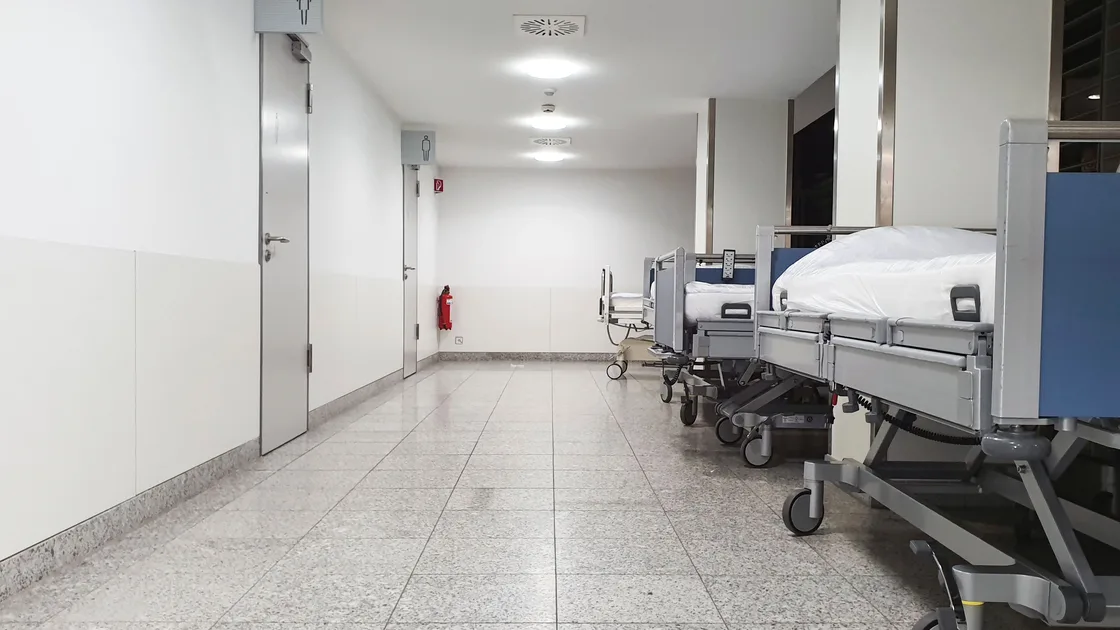

To find a hospital or clinic in China, first decide whether the situation is an emergency or can wait for routine outpatient care. For non-emergency care, verify a facility through a local health authority or the hospital's official channel, confirm the correct department and current language service, and ask how visitors register, pay, and use insurance. Call 120 for a medical emergency rather than continuing to compare clinics.
Key Takeaways:
- Use
120for an emergency; do not delay urgent care to finish online research.- Verify the institution, campus, department, and hours through an official route.
- Language support, appointments, payment, and insurance direct billing are facility-specific.
- Bring your passport plus a concise medication, allergy, symptom, and medical-history note.
- Keep the registration, clinical, test, prescription, payment, and follow-up records together.
Severe breathing difficulty, major bleeding, loss of consciousness, signs of stroke, serious injury, or another rapidly worsening condition needs emergency assessment. Call 120, ask hotel or venue staff to help identify the location, or go to the nearest appropriate emergency department. Do not use a blog article to diagnose the condition.
For a stable problem, identify the kind of service needed: general outpatient assessment, a known specialty, dental care, vaccination, or follow-up. China's public medical process generally moves through registration, consultation, tests or treatment when ordered, payment, and pharmacy or follow-up steps.[1] The precise order and digital options vary by hospital.
| Situation | First route | Confirm now |
|---|---|---|
| Medical emergency | 120 or emergency department | Exact location and immediate safety |
| Stable new symptom | General or appropriate outpatient department | Department, hours, registration route |
| Existing diagnosis | Relevant specialty | Whether previous records are usable |
| Language assistance needed | Facility's official service desk | Language, hours, booking requirement |
| Insurance expected | Insurer and hospital | Network status, guarantee, direct billing |
Start with the municipal health authority, an official government visitor guide, or the institution's own verified website or account. Match the full Chinese and English name, city, district, campus, street address, and main telephone number. A chain name or translated map label may point to the wrong branch.
Beijing's official guide lists foreign-oriented medical resources but also tells visitors to confirm appointments, languages, payment, and insurance arrangements with the specific institution.[2] Treat any city list as a local directory, not a nationwide ranking or guarantee.
Use a map to plan the journey only after you verify the destination. The maps and navigation guide explains how to cross-check Chinese addresses and entrances.
Do not choose from a translated name alone. Compare the institution's official contact details with the appointment confirmation, and ask whether the named campus actually provides the department on the day you need it. A hospital group may have several campuses, while a clinic may use a similar English name without offering the same services.
For a planned visit, call or message the verified service desk with a short checklist: patient age group, broad care category, preferred language, desired date, passport registration, and insurance question. Ask the desk to distinguish what it has confirmed from what still depends on the clinician, cashier, or insurer. Keep the reply with the appointment record so you do not rely on a map comment or an old directory screenshot.
Describe the care category without diagnosing yourself: “adult outpatient,” “pediatrics,” “dental,” “orthopedics after an injury,” or “follow-up with an existing diagnosis.” Ask whether general medicine can triage you when the specialty is unclear.
For language, ask which language is available, during which hours, whether an interpreter must be booked, and whether support covers registration as well as consultation. A bilingual marketing page does not prove that every doctor or night shift provides that language.
Do not put full passport images or medical records into an unverified chat group. Share only what the verified provider or insurer needs through its official channel.
Prepare a one-page medical summary that can be read quickly. Put urgent allergies and major conditions at the top, then list current medicines with active ingredients, the reason for the visit, important dates, and the contact details of a treating clinician when relevant. Keep the full record available, but hand over only the pages needed for the present consultation.
Machine translation can help label sections, not certify medical meaning. Preserve the original report beside any translation and mark uncertain terms instead of silently replacing them. If an interpreter or trusted companion will join, agree beforehand on what private information may be discussed and whether that person will remain for the consultation.
Some institutions accept online or telephone appointments; others allow on-site registration, and busy departments may have limited availability. Shanghai's official service information illustrates a local hospital workflow, but its steps should not be generalized to every facility.[3]
Before care, ask whether a deposit is needed, which payment methods the facility currently accepts, and whether you must pay first and claim reimbursement later. “Insurance accepted” can mean different things: the hospital may only provide documents for reimbursement, or it may have direct billing for a particular insurer, plan, and service. Confirm with both sides. The payment preparation guide helps with payment rails but cannot establish insurance coverage.
Ask the insurer for the case or assistance reference, any required preauthorization, the exact facility or network name, and the documents needed after treatment. Ask the hospital separately which department handles guarantees of payment and whether approval must arrive before registration. A verbal “yes” from only one side is not enough to establish direct billing.
If you pay yourself, request an itemized statement, invoice or receipt, medical summary, and any forms the insurer specified. Check the patient name and visit date before leaving. Do not assume the hospital can recreate every document after you have returned home.
Keep the registration number, facility and department, clinician name, visit summary, test reports, imaging access instructions, prescription, medicine list, invoice or receipt, and follow-up date. Ask how to obtain an English summary if one is available, but do not assume translation is included.
If you need another provider, preserve the original files rather than only taking screen photos. Record which results are pending and how the hospital will contact you.
Create a short follow-up log with the visit date, department, pending tests, warning signs supplied by the clinician, and the confirmed route for questions. Keep clinical instructions separate from your own notes so that another provider can see what the hospital actually said. If a result is delivered through an account or message, download the original document and record the official contact route used to verify it.
| Failure | Check | Safe next action |
|---|---|---|
| Wrong campus or entrance | Official address and appointment record | Call the verified facility desk |
| Department unavailable | Current schedule and symptom category | Ask for official triage or another department |
| No language service now | Service hours and booking rule | Request an interpreter or trusted companion route |
| Passport registration fails | Document type and exact identity entry | Use the staffed registration desk |
| Payment is declined | Existing bill and accepted methods | Use another officially offered method |
| Direct billing is refused | Plan, network, guarantee, service | Contact the insurer before assuming coverage |
| Symptoms worsen | Current condition | Escalate to emergency care or 120 |
Call 120. Give the location as precisely as possible and ask nearby staff for language help if needed.
Many institutions register international visitors, but the route and supported documents vary. Carry the original passport and use a staffed desk if the digital form fails.
No universal guarantee applies. Confirm the language, department, time, and whether an interpreter must be booked.[2]
No. Choose based on clinical need, verified capability, location, availability, language, payment, and insurance—not a simple public-versus-private label.
Only if the insurer and facility confirm direct billing for your plan and service. Otherwise you may need to pay and claim later.
Yes, when safe and practical. Packaging or an active-ingredient list helps the clinician understand what you use, but it does not replace an assessment.
Hotel staff can help call emergency services or identify nearby facilities, but verify non-emergency provider details and insurance conditions yourself.
No. It is a navigation guide, not medical diagnosis or treatment advice.
Disclaimer: This guide is for general navigation only and does not provide medical advice, diagnosis, or treatment. In an emergency call 120 or seek immediate professional care. Facility, language, payment, and insurance arrangements can change.
Sources checked 29 August 2026.
Sign up to experience all premium features at no cost.
*Available only to new users. Each user is limited to one trial.