Start your 3-day free trial
Sign up to experience all premium features at no cost.
*Available only to new users. Each user is limited to one trial.
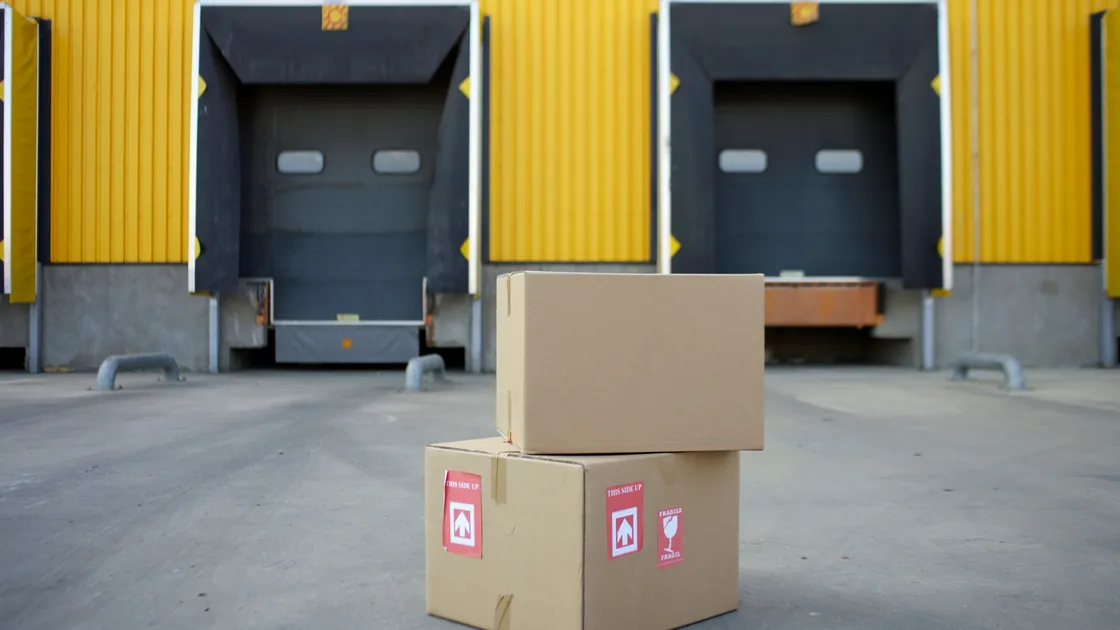

If you have a parcel held by China Customs, verify the event through the carrier and an official customs channel before sending documents or money. Then identify the responsible customs office, the precise missing action, and the deadline because inspection, missing-value evidence, tax assessment, restricted goods, and formal declaration are different cases.
Key Takeaways
- A tracking delay is not automatically a customs hold; confirm the waybill and official status first.
- Ask whether the shipment is postal, express, freight, or another route because procedures are not interchangeable.
- Prepare truthful identity, contents, value, purchase, and payment evidence, but submit it only through a verified channel.
- Do not pay a customs charge through an unknown SMS link, understate value, disguise commercial goods, or break a customs seal.
- Track the final result separately: documents accepted, tax assessed, released, returned, abandoned, or moved to formal declaration.
The China travel and digital-services pillar can help you prepare communication and payment fallbacks. It cannot replace the carrier, customs office, broker, sender, or importer responsible for a shipment.
Start with the carrier's official app, website, counter, or published service number. Match the full waybill, sender, destination, and last physical scan. A seller dashboard can lag behind the carrier, while a text message can be fraudulent even when it quotes a real tracking number.
| Status you see | What it establishes | What it does not establish |
|---|---|---|
| Arrived at an international exchange office | The parcel reached a processing point | That customs has requested action from you |
| Presented to or under customs review | The shipment entered a customs step | Why it is held or what documents are missing |
| Clearance information required | Someone must provide additional data | That the message or payment link you received is genuine |
| Tax or duty assessed | An official calculation exists for that case | That every similar parcel has the same rate |
| Released by customs | Customs no longer holds that step | That the carrier has completed domestic delivery |
| Return initiated | The parcel is entering a reverse route | That a seller refund has already been approved |
Use the package-tracking guide when the only evidence is a stalled scan. For a confirmed hold, ask the carrier for the responsible customs office, declaration or notice number, reason code, action owner, permitted submission route, and response deadline.
“Parcel” is a convenient word, not one legal procedure. An item sent through a postal operator can follow personal postal-item rules. An express shipment may be represented by the carrier or its broker. Freight, commercial quantities, or goods outside the simplified route may require a formal declaration by a qualified party.
China Customs describes personal postal articles as goods for personal use and in reasonable quantity, subject to customs supervision and truthful declaration.[3] The current online service guide also identifies different outcomes and materials for postal-item supervision.[1] These sources do not prove that every courier shipment qualifies as a personal postal item.
Ask these questions before completing a form:
Do not copy instructions from another shipment merely because the products look similar. Route, quantity, use, value, origin, permits, and the responsible office can change the process.
Provide only what the verified carrier, broker, or customs channel asks for. A practical evidence bundle often begins with the waybill and a consistent explanation of what was bought, who sent it, who will use it, and how its value was established.
Keep names, quantities, prices, and descriptions consistent across the order, payment proof, carrier form, and customs response. If a seller used an inaccurate description or value, do not repeat it blindly. Tell the carrier or customs office what is wrong and ask how to correct the declaration truthfully.
Redact unrelated purchases and full payment credentials. Do not send a passport image to a seller's personal messaging account simply because the seller offers to “speed up” clearance. Ask the carrier which protected upload route or staffed counter is authorized for identity material.
The General Administration of Customs service guide provides the applicable service description, required materials, handling channels, results, and contact path for the covered postal-item process.[1] Use the current guide for the responsible case rather than a screenshot of an old form.
Follow a controlled sequence:
If the request is unclear, contact the customs service line or the office identified by the carrier and ask what rule and shipment category are being applied. Do not let a countdown in a suspicious message replace independent verification.
Wait for an official assessment tied to the waybill or declaration. The amount for one parcel does not establish a universal rate or threshold, and this guide does not calculate duty or tax. Confirm the payer, official payment route, amount, currency, receipt, and whether carrier service fees are separate from customs charges.
If an item requires a permit, inspection, quarantine step, or other approval, ask which authority issues it and whether a private recipient can obtain it after arrival. Do not fabricate a prescription, split a commercial order into personal parcels, or describe goods as gifts solely to change their treatment.
Some shipments cannot continue through the initial simplified route. The lawful alternatives may include a formal declaration, return to sender, abandonment under the relevant process, or another disposition directed by customs. Ask about cost and consequences before selecting an option, and confirm who is authorized to make that choice.
China's Customs Law places imported and exported goods and articles under customs control and requires truthful declaration. It also prohibits opening or damaging customs seals without authorization.[2] A recipient should not ask warehouse staff, a courier, or the sender to remove, relabel, substitute, or retrieve goods outside the recorded process.
Watch for these warning signs:
When a message may be fraudulent, preserve it without replying, verify the parcel through official channels, and report the impersonation to the carrier or competent authority. Do not use a real shipment as a reason to trust every message containing its number.
Maintain a simple timeline: request received, channel verified, materials submitted, tax assessed and paid if applicable, customs decision recorded, carrier custody resumed, and delivery or return completed. Save each reference separately because the customs case, carrier case, and seller order may use different numbers.
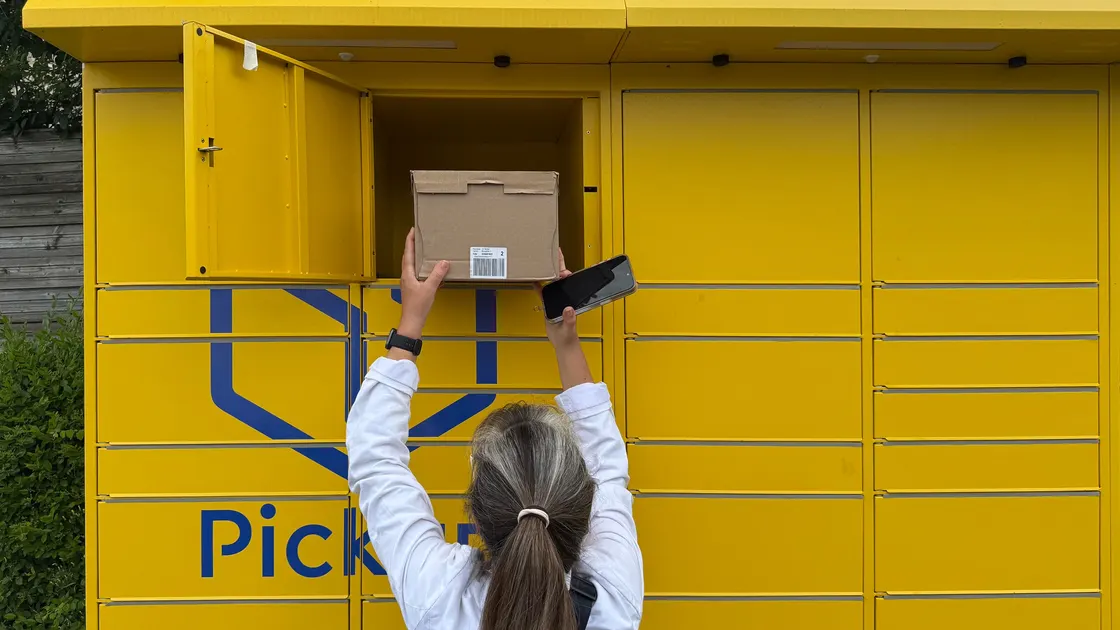
“Released by customs” means the customs hold has ended for that step. The carrier still controls sorting and delivery. If delivery will use a locker or collection point, follow the parcel-locker and pickup guide only after the carrier creates that domestic pickup event.
If the parcel is returned, ask the carrier for the reverse tracking record and the sender for its refund policy. Return movement does not itself prove that the merchant has received the goods or approved a refund. If you need to send replacement documents or goods from China, use the separate international shipping guide.
No. A delay can occur before presentation, during transport, or in carrier processing. Confirm the exact scan and ask the official carrier whether customs has requested an action or issued a decision.
The sender may correct its documents or work with the carrier, but the recipient may still need to prove identity, personal use, value, or authorization. Confirm the declarant and requested actor for this specific shipment.
Not to an unverified personal account. Confirm the request through the carrier or customs office and use its protected upload route or official counter. Submit only the pages and fields genuinely required.
There is no single amount this article can safely predict. Treatment depends on the shipment route, goods, value, use, quantity, and current rules. Use the official assessment tied to your case.
No. Declaration information and supporting evidence should be truthful and consistent. If the original declaration is wrong, ask the official handler how to correct it rather than creating a second false record.
The result depends on the applicable process and notice; return, storage consequences, or another disposition may follow. Verify the deadline immediately and ask the responsible office what remedies, if any, remain.
No. Payment may satisfy one requirement, but inspection, permits, prohibited or restricted goods, inaccurate declarations, and formal-clearance requirements can remain unresolved.
Not without authorization. Preserve the seal and ask the carrier or customs office where and how inspection or opening is permitted.
Disclaimer: This guide provides general operational information and is not customs, tax, or legal advice. Shipment categories and decisions vary; follow the current official notice and seek qualified help for commercial goods or disputed enforcement.
Sources checked 4 October 2026.
Related articles:
Sign up to experience all premium features at no cost.
*Available only to new users. Each user is limited to one trial.