Start your 3-day free trial
Sign up to experience all premium features at no cost.
*Available only to new users. Each user is limited to one trial.


A temporary driving permit in China, officially a temporary motor vehicle driving permit, is a Chinese document the traffic police issue to a foreign license holder who needs to drive for a short period; a foreign license or International Driving Permit alone does not replace it. To apply for a temporary driving permit in China, first confirm that your intended vehicle and stay fit a current temporary-permit route, then ask the competent local vehicle administration office which documents and validity rule apply. Prepare your passport or other entry document, valid foreign driving license, required Chinese translation, photographs, and any locally requested evidence; do not drive until the authority has issued the permit.[1][2][3]
Key Takeaways
- A foreign license or International Driving Permit alone is not a Chinese temporary driving permit.
- The responsible traffic authority or vehicle administration office decides the application route and documents.
- Vehicle class, validity, translation, road-safety learning, and documents carried while driving all matter.
- Published rules describe more than one duration framework; confirm which one the accepting office applies.
- A permit does not guarantee a rental car, insurance cover, card or deposit acceptance, or supplier approval.
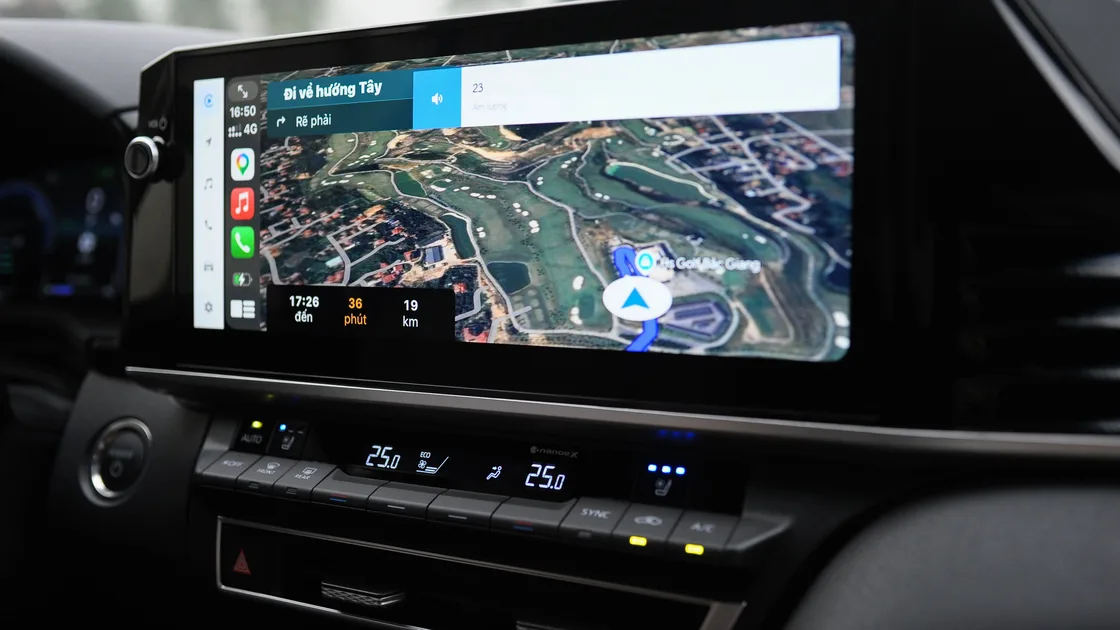
Use the broader China visitor preparation guide for connectivity planning, but keep the driving decision separate. Save destination addresses through a reliable maps and navigation workflow, and know the emergency numbers used in China before taking responsibility for a vehicle.
A temporary motor vehicle driving permit is a Chinese document issued by the public-security traffic authority to an eligible person holding a foreign driving license who needs to drive temporarily in mainland China. Shanghai's current visitor guide describes it as a short-term permit issued by the traffic police department.[1]
It is not the same as carrying your home-country license, an International Driving Permit, a translation, or a rental contract. Those documents may support an application or later vehicle use, but none substitutes for the Chinese permit when one is required.
The permit is also different from converting or applying for a standard Chinese driving license. If you live in China, need a longer-term license, or do not fit the temporary route, ask the local vehicle administration office about the correct procedure rather than trying to stretch a short-stay permit.
Contact the vehicle administration office or public-security traffic service responsible for the place where you enter, reside, or obtain the intended rental vehicle, depending on the route. The National Immigration Administration says an applicant can approach the local vehicle administration office where the person enters China or resides and provide identity documents and an overseas driving license.[2] The dedicated temporary-entry regulation assigns rented-vehicle applications to the traffic authority where the rental company is located.[3]
Ask the office to confirm all of the following before you travel there:
| Decision | Question to ask the authority |
|---|---|
| Applicable route | Which current rule covers my stay and intended vehicle? |
| Competent office | Must I apply where I entered, reside, or rent the vehicle? |
| Foreign license | Is my license valid and does its vehicle class qualify? |
| Translation | Who may produce or certify the Chinese translation? |
| Identity and stay | Which passport, visa, residence, or entry evidence is required? |
| Photographs and health | What current format or additional evidence applies? |
| Validity | What start, end, re-entry, and extension rule will be printed? |
| Vehicle use | Which class may I drive, and what must I carry? |
Do not rely on a rental company's marketing page as the final authority on licensing. A rental supplier can decide whether it accepts your booking, but the traffic authority decides whether it issues the driving permit.
The source framework matters. The 2006 Provisions on the Administration of Temporary Entry Motor Vehicles and Drivers state that a temporary permit under that regulation ends with the permitted entry period, lasts no more than three months, and cannot be extended.[3] Shanghai's service guide updated in 2026 describes a three-month permit for stays under three months and a permit of up to one year for stays longer than three months.[1]
These statements should not be blended into a promise that every visitor may choose three months or one year. They may reflect different current legal or administrative routes. Give the accepting office your entry status, intended stay, foreign license, and vehicle plan, then ask it to identify the route and validity it will issue.
Record the answer and inspect the dates printed on the permit. Never drive after expiry, assume re-entry restarts the period, or treat an application receipt as permission to drive.
Start with originals and clear copies of your passport or other accepted entry document and your valid foreign driving license. If the license is not in Chinese, prepare a Chinese translation from a provider accepted by the local office. Shanghai's guide lists entry and exit identity documents, a foreign driving license, and a Chinese translation where needed.[1]
The dedicated regulation also lists an application form in Chinese, evidence that age and physical conditions meet the applicable requirements, recent one-inch color photographs on a white background, and additional authority evidence for specified organized activities.[3] Local implementation and later rules can change what is requested, so treat that list as a legal baseline rather than a universal counter checklist.
Prepare the Chinese address and name of the office, your local contact details, and the vehicle or rental-company details if the application route depends on them. The separate Chinese address and online-form guide can help you preserve names and addresses consistently, but it does not validate a government application.
Never alter a license image, invent a translation, hide an expiry, or submit another person's address or identity. If an office rejects a translation or document, ask for the acceptable format and correct the evidence through the official route.
The temporary-entry regulation requires the permit to be carried and used together with the foreign license and its Chinese translation.[3] Shanghai's current guide repeats the same practical rule.[1] Keep originals secure and present them only to authorized staff or police.
The vehicle class on the temporary permit should correspond to the class on the foreign license. Under the dedicated regulation, a person driving a temporarily imported vehicle also needs the permit class to match that vehicle, while the rented-vehicle route is limited to small cars and small automatic cars.[3] The National Immigration Administration gives the same broad distinction.[2]
This licensing rule does not oblige a rental company to provide a car. Rental eligibility can separately depend on supplier policy, age, license history, identity checks, payment card, deposit, insurance, vehicle availability, pickup office, and contract terms. Do not pay a non-refundable reservation until the supplier confirms its document requirements.
Insurance is another independent decision. Ask what driver, territory, vehicle, use, deductible, exclusions, and reporting duties the policy covers. A permit proves only what the issuing authority printed; it is not an insurance certificate.
Read the permit itself. Confirm its start and end dates, vehicle class, geographic or route restriction, and any conditions. Then match the license plate and vehicle documents to the car you actually receive.
Check seat belts, mirrors, lights, tires, fuel or charge level, warning indicators, and visible damage with the vehicle provider. Save the provider's breakdown and accident routes. Set the destination while parked, and do not handle a phone while driving.
Know how to contact police, medical, fire, and traffic support. In a collision, stop, protect the scene, assist injured people within your ability, and report as required rather than privately leaving without a record. The dedicated regulation requires temporary drivers to obey Chinese road-safety law and accept traffic-authority handling.[3]
| Problem | Decision owner | Safe response |
|---|---|---|
| Wrong office | Traffic authority | Ask which office has jurisdiction for this route |
| Translation rejected | Accepting office | Use a provider or certification format it accepts |
| Vehicle class mismatch | Traffic authority | Do not drive that vehicle class |
| Validity route unclear | Accepting office | Request the governing route and printed dates |
| Permit issued, rental denied | Rental supplier | Compare another lawful supplier or transport mode |
| Insurance not confirmed | Insurer or supplier | Do not drive until cover is clear |
| Permit expired | Traffic authority | Stop driving; ask about a lawful new route |
An incomplete or rejected application is not permission to drive. Use rail, licensed taxis, public transport, a booked transfer, or another lawful alternative while resolving it. Do not use a friend's vehicle on the theory that private use avoids licensing or insurance rules.
Do not treat it as permission to drive. The temporary-permit process uses a Chinese document issued by the competent traffic authority, supported by the foreign license and required translation.
It depends on the route. Official guidance points to local vehicle administration or traffic authorities connected to entry, residence, or the rental company's location.[2][3] Confirm jurisdiction before attending.
Published official sources describe different frameworks. The dedicated 2006 regulation says no more than three months and no extension, while Shanghai's 2026 guide describes up to one year for some longer stays.[1][3] Ask the accepting office which route applies and follow the printed dates.
Yes when the license is not in Chinese under the cited guidance. The office decides which translator, agency, notarization, or format it accepts, so verify that before paying for translation.[1][3]
The required learning, capacity test, health evidence, or other assessment depends on the current route, age, and local implementation. Ask the accepting office; do not assume a full test or an automatic exemption.
Not necessarily. The rental company independently checks its contract, identity, age, payment, deposit, insurance, license, and vehicle-availability rules.
No. The temporary permit itself states the authorized class and may carry other restrictions. The intended vehicle must satisfy both the Chinese permit and the relevant vehicle or rental rules.
Carry the temporary permit, foreign driving license, and Chinese translation as required by the cited rules.[1][3] Also carry the vehicle and rental documents required for that vehicle and journey.
No. Network access cannot establish legal eligibility, validate a license or translation, select an issuing office, extend validity, authorize a vehicle class, or create rental or insurance acceptance.
Disclaimer: This guide provides general procedural information and is not legal, licensing, rental, insurance, or road-safety advice. Rules and local implementation can change, and official sources describe different validity frameworks; confirm the current route, documents, validity, vehicle class, and conditions with the competent authority before driving.
Sources checked 4 October 2026.
Sign up to experience all premium features at no cost.
*Available only to new users. Each user is limited to one trial.