Start your 3-day free trial
Sign up to experience all premium features at no cost.
*Available only to new users. Each user is limited to one trial.
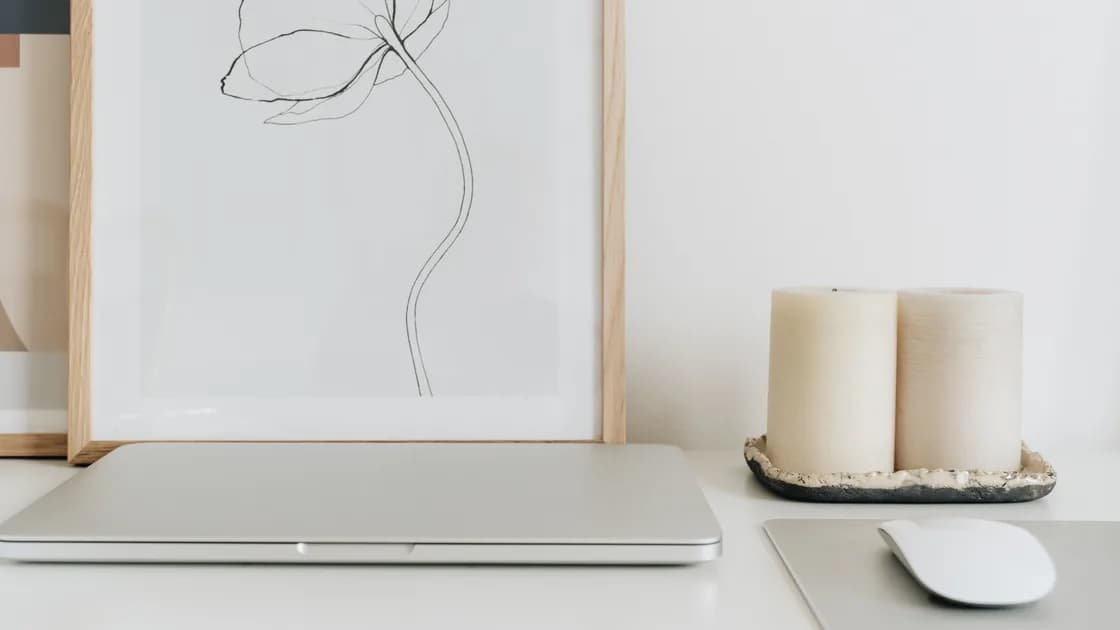

If a laptop does not stay awake with the lid closed, first confirm that you are intentionally setting up a supported desktop or clamshell arrangement—not trying to prevent all sleep. Check power, an external display, external keyboard and pointing device, the lid-close action, dock behavior, and organization policy. Keep ventilation clear and never run a closed laptop inside a bag.
Key Takeaways
- Prove whether the computer sleeps, hibernates, shuts down, or only loses its display.
- Meet the operating system and hardware requirements for closed-lid use.
- Compare plugged-in and battery lid actions without disabling safety controls.
- Test the display, power adapter, and input devices directly before blaming the dock.
- Stop if the laptop overheats, swells, smells unusual, or loses power unexpectedly.
The device and app troubleshooting guide provides a general isolation method. This article is for deliberate closed-lid desktop use. If the laptop should wake normally after sleep but does not, use the wake-from-sleep guide. If it wakes without being asked, use the unexpected-wake guide.
Before changing power policy, observe the transition. Start an offline clock or a local audio track, close the lid while the laptop is connected as intended, and note whether sound continues, the external display remains active, fans change, and the power or sleep indicator changes. Reopen the lid and inspect whether the session resumes, boots from scratch, or reports an unexpected shutdown.
Sleep preserves the session with low power use. Hibernate writes the session to storage and takes longer to resume. Shutdown ends the session. A blank external screen can instead mean the monitor was disconnected or the display layout changed. These outcomes need different fixes.
If the computer remains responsive to an external keyboard but the monitor says no signal, follow the external-monitor detection guide. If every device disconnects at the same moment, record the power source, battery level, dock indicator, and exact time. System event or power reports can confirm a lid event, low-battery hibernation, policy action, crash, or power loss.
Do not use an endless video, mouse-jiggling utility, terminal command, or background network transfer as proof. Such activity may temporarily delay idle sleep but does not establish that the platform supports closed-lid operation.
Requirements differ by operating system, computer model, power state, and administrator policy. Check the current manufacturer instructions for the exact laptop and operating-system version.
On Windows, the lid-close action is a power setting and may differ for battery and plugged-in use. Microsoft explains how sleep, hibernate, and shutdown behave and points to lid and power-button controls where the hardware exposes them.[1] Choose the intended supported action only for the applicable power state. A managed policy may hide or override the control.
On macOS, supported closed-display operation generally expects the Mac laptop to be connected to power and to an external display, keyboard, and mouse or trackpad. Apple includes power, cable, adapter, and display-support checks in its external-display guidance.[2] Requirements can vary by model and accessories, so do not infer support from another Mac.
On ChromeOS, Settings can expose a Sleep when cover is closed control on supported Chromebooks. Google's power documentation describes this behavior as well as normal sleep and wake actions.[3] School or business management may enforce a different result.
A firmware menu can also contain lid, sleep, wake, or dock settings. Change only documented options, photograph the original values, and avoid disabling thermal or battery protections.
Use the manufacturer-rated power adapter or a compatible source that can sustain the laptop and attached devices. A USB-C dock may advertise a high input wattage but reserve some power for itself. The laptop can appear connected while slowly discharging, then hibernate when the battery reaches a threshold.
Record the operating system's charging status and estimated battery level before closing the lid and after the failure. Test with the power adapter connected directly to the laptop if the model permits it. Inspect cables and connectors for heat, damage, looseness, or repeated connect sounds. Stop using damaged or unusually hot equipment.
Connect a known-good external keyboard and pointing device. Bluetooth devices may disconnect during sleep or may not be authorized to wake a managed computer. For one test, use a wired USB input directly or through a simple supported adapter. Once closed-lid operation is stable, restore wireless devices and verify their wake permissions.
Confirm the monitor is powered, on the correct input, and using a supported connection. Some monitors cut USB hub power when their display sleeps, which can remove the keyboard used to wake the laptop. A separate input path helps distinguish display sleep from lost input power.
On Windows, inspect both On battery and Plugged in values. If policy permits closed-lid desktop use, set only the relevant lid action to the documented option and retain ordinary idle sleep so the computer does not stay awake forever after the external session ends. Save the setting, restart, and test once with the dock removed.
Do not globally disable sleep, hibernate, modern standby, or low-battery actions. Those controls protect data and the battery. A laptop configured to do nothing on lid close can continue running after it is disconnected from the desk; explicitly put it to sleep before transport.
On macOS, there is no general-purpose lid action menu equivalent to Windows. Meet the supported closed-display conditions instead of installing a utility that forces wakefulness. On ChromeOS, use the documented cover setting only when it is available. If a required control is absent or reverts, collect policy information rather than editing system files.
Test the transition in a safe sequence: attach power, connect and verify the external display, connect input devices, save work, close the lid, wait for the arrangement to settle, then wake with the external keyboard or mouse if needed. Repeat after a restart. A sequence that works only after unplugging and reconnecting one device points to that device's state or firmware.
Docks combine power delivery, video, USB, networking, and sometimes their own display technology. One reconnect can affect every part at once.
Check the dock's approved power supply, host cable, firmware, operating-system support, and exact display limits. Try another documented host port. Do not update several firmware packages simultaneously; record versions and reboot requirements so a result remains attributable.
Monitor USB hubs and KVM switches can remove input devices when changing source. Disable automatic input switching for a test, choose the laptop input manually, and confirm the monitor does not enter a deep-sleep mode that cuts its hub. If a corporate dock works with another identical laptop, compare firmware, policy, power negotiation, and assigned adapter—not personal files.
Repeated disconnects, arcing, a loose USB-C port, or heat at a connector requires service rather than more software changes.
Successfully closing the lid does not guarantee the laptop will remain awake indefinitely. Normal idle timers can still turn off the display and put the computer to sleep. Decide the actual requirement: perhaps it should remain active during a presentation or a local task, but sleep after thirty minutes of inactivity.
Compare the failure time with display-off, sleep, hibernate, battery-saver, and scheduled maintenance thresholds. Test using a short safe timer, then restore an energy-conscious value. If the laptop stays awake while plugged in but sleeps later on battery, that may be the intended low-power policy.
Organization management can enforce lid behavior, sleep intervals, external-device rules, and security locks. Do not remove profiles, edit policy storage, or use an anti-sleep tool to defeat those controls. Provide IT with the device model, OS build, power source, applied setting, dock model, failure time, and a power report or event reference.
Applications may also stop work when the session locks, networking changes, or the system sleeps. Confirm closed-lid support at the platform level before diagnosing an upload, render, or remote session. Do not rely on an unattended network job as a safety-critical keep-awake mechanism.
Place the laptop on a stable, hard surface with all intake and exhaust vents clear. Follow the manufacturer's orientation guidance. Some designs vent through the keyboard area or depend on an open display for their tested thermal envelope; if closed-lid use is not documented, do not force it.
Never place an awake or charging laptop in a sleeve, backpack, drawer, bed, or other enclosed space. Before transport, explicitly choose sleep or shutdown and confirm indicators and fans settle. A do-nothing lid setting makes accidental bag operation more likely.
Stop and disconnect power if the enclosure swells, becomes painfully hot, smells unusual, emits smoke, or the battery percentage behaves abnormally. Do not press on a swollen case or keep testing. Arrange qualified service under the manufacturer's battery and safety instructions.
Closed-lid operation can also affect microphones, cameras, speakers, Wi-Fi antennas, and fingerprint sensors positioned around the display. Test the external replacements needed for the intended workflow rather than assuming desktop mode preserves every built-in function.
Seek manufacturer support when documented closed-lid conditions are met through direct connections but the laptop still sleeps, shuts down, overheats, or loses the external display. Seek administrator support when settings are hidden, revert after restart, or differ from an unmanaged device. Supply a timeline and controlled-test matrix.
Check laptop firmware, organization power policy, dock power delivery, and thermal protection when diagnosing closed-lid behavior. A VPN cannot override these controls. Its connection may pause when the computer sleeps, and it should not be used as a way to keep the hardware awake.
Identify whether the laptop sleeps or merely loses video, then meet the platform's supported closed-lid requirements. Verify direct power, one external display, and wired input before rebuilding the dock path. Keep normal idle, low-battery, management, and thermal safeguards, and escalate with a repeatable timeline if the system still cannot maintain the intended desktop session.
Its default lid action may be sleep, or the supported closed-lid conditions are not met. Check the documented requirements and the plugged-in versus battery setting.
Some platforms require external power, and battery policies may intentionally sleep sooner. Also verify that a dock supplies enough sustained power rather than merely showing a charging icon.
On supported Windows hardware and where policy permits, that may be an available plugged-in action. Retain idle and low-battery protections, and put the laptop to sleep before transport.
The laptop may still be awake while the display path reconnects or changes layout. Check the monitor input, cable, adapter, dock, and external-display detection separately.
Sometimes, depending on platform, pairing, power state, and policy. Use a wired input for isolation, then verify documented Bluetooth wake support.
Not to bypass unsupported lid behavior or organization policy. Such utilities can mask the cause and increase the chance of an awake laptop being packed away.
The lid transition may succeed, followed later by an idle timer, battery threshold, dock power loss, maintenance policy, or thermal protection. Compare the timing with system settings and logs.
Only when the manufacturer supports that arrangement and ventilation remains clear. Monitor temperature and battery condition, use rated power, and never operate it inside a bag or enclosed space.
Sources checked 8 September 2026.
Sign up to experience all premium features at no cost.
*Available only to new users. Each user is limited to one trial.