Start your 3-day free trial
Sign up to experience all premium features at no cost.
*Available only to new users. Each user is limited to one trial.
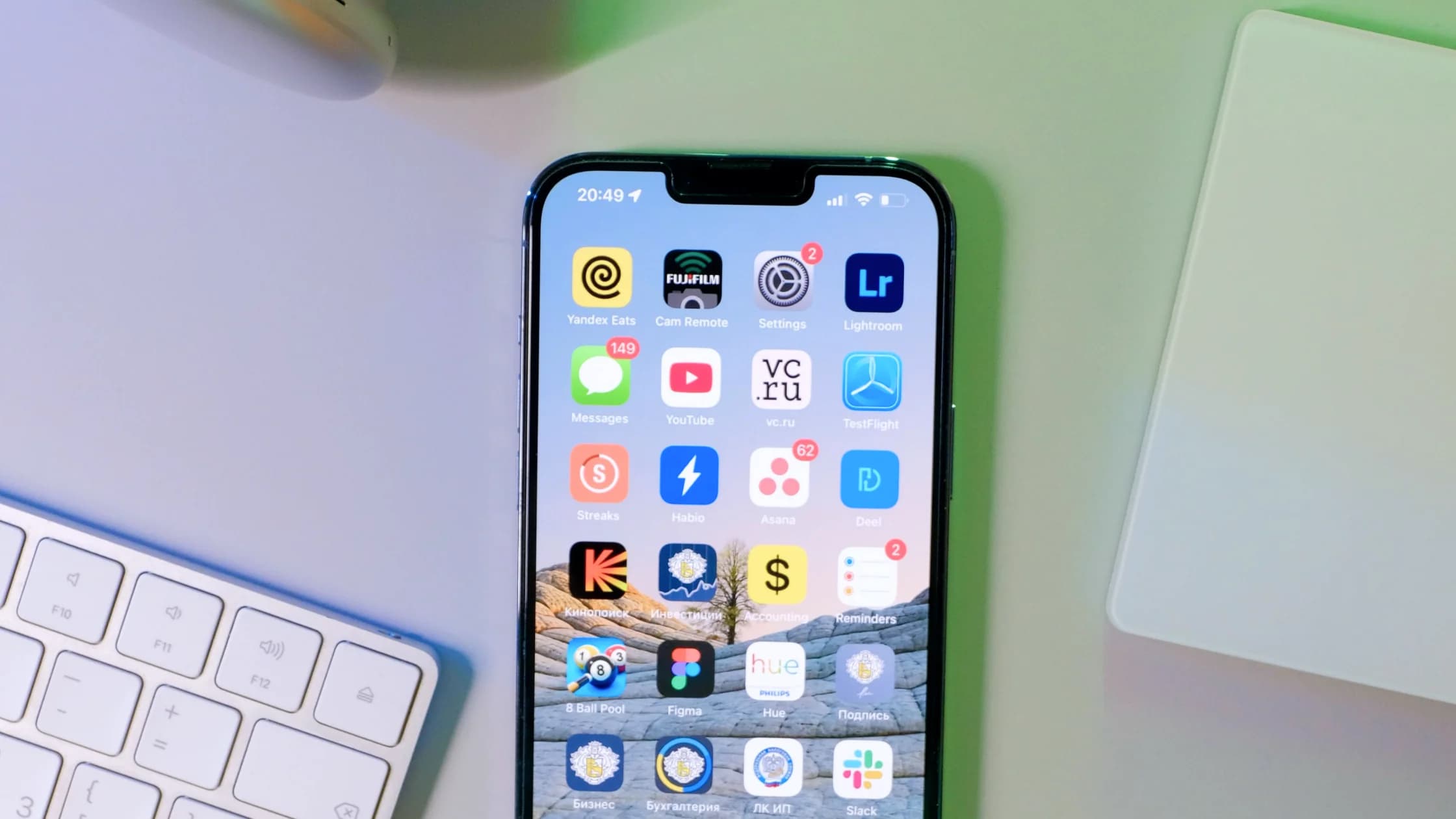

Start here: how to check iPhone for viruses usually does not mean installing a "mobile antivirus master." It means looking for abnormal behavior, then checking apps, Safari, permissions, data usage, battery usage, profiles, updates, and account activity. On iPhone, many "virus" cases turn out to be malicious web pages, fake security alerts, suspicious apps, configuration profiles, spam calendar subscriptions, or account compromise.[1][2][3]
This guide follows the practical order. You do not need complex forensics at first; you need to clear the common and easy-to-miss entry points.
Use the digital privacy guide as the wider checklist: it connects this issue to accounts, devices, identifiers, and data-broker exposure.
If yes, go through all 7 steps.
Open the Home Screen and "Settings > General > iPhone Storage," then review recently installed apps.
Look for apps that:
Apple says that if iPhone warns a third-party app contains malware, you should delete it.[1]
Look for:
If you see them, clear Safari history and website data, then watch whether the issue returns. Many "virus" problems stay at the web page or notification layer.[2]
If you are not sure whether a pop-up is real, read what a fake virus alert is.
Open "Settings > Privacy & Security" and check:
If a non-location app always has location access, or a simple tool holds contacts and photo access, treat it as suspicious.
Go to "Settings > Battery" and "Settings > Cellular" to review the last 24 hours and 10 days.
You are not looking for "the biggest app must be bad." Look for:
Do not skip this if you have tapped enterprise distribution links, installed beta software, or used unknown "accelerator" tools.
Open "Settings > General > VPN & Device Management" and look for:
These items are not always malicious, but unknown sources deserve caution.
Open "Settings > General > Software Update."
This is not a magic fix. It closes known vulnerabilities. CISA treats timely updates as a basic defense, and that applies to phones as well as computers.[3]
Many people check the device but forget the account layer. Review:
If you entered a username, password, or code on a suspicious page, this may be more urgent than Safari cleanup. Change important passwords and enable two-factor authentication if needed.[4]
If:
then the issue may have been a malicious web page nuisance rather than a deep device compromise.
Do more than surface cleanup if:
In that case, back up important data, then consider erasing and setting up the device again.[2]
Usually no. iOS makes investigation depend more on behavior and entry points than traditional full-disk scanning.[2]
Most web pop-ups should not be trusted. Close the page, do not tap its buttons, then follow the checks in this guide.[4]
Not always. If the issue comes from an app, permissions, profiles, or account compromise, browser cleanup is not enough.
Delete it first, then see whether the symptoms stop. If iPhone warned that the app contains malware, do not open it again.[1]
Background activity often appears there before you can prove anything else. It is more objective than just feeling that the phone is slow.
Consider it when symptoms keep returning, suspicious items cannot be removed cleanly, accounts are affected, or you knowingly ran high-risk content.[2]
Disclaimer
This article is for general digital safety education only and does not constitute professional forensic, repair, or legal advice. iOS versions and settings paths may differ slightly.
As the publisher, AethoVPN notes that how to check iPhone for viruses remains outside what a VPN can fix.
Sources
Sources checked 8 May 2026.
Related Articles:
Sign up to experience all premium features at no cost.
*Available only to new users. Each user is limited to one trial.