Start your 3-day free trial
Sign up to experience all premium features at no cost.
*Available only to new users. Each user is limited to one trial.
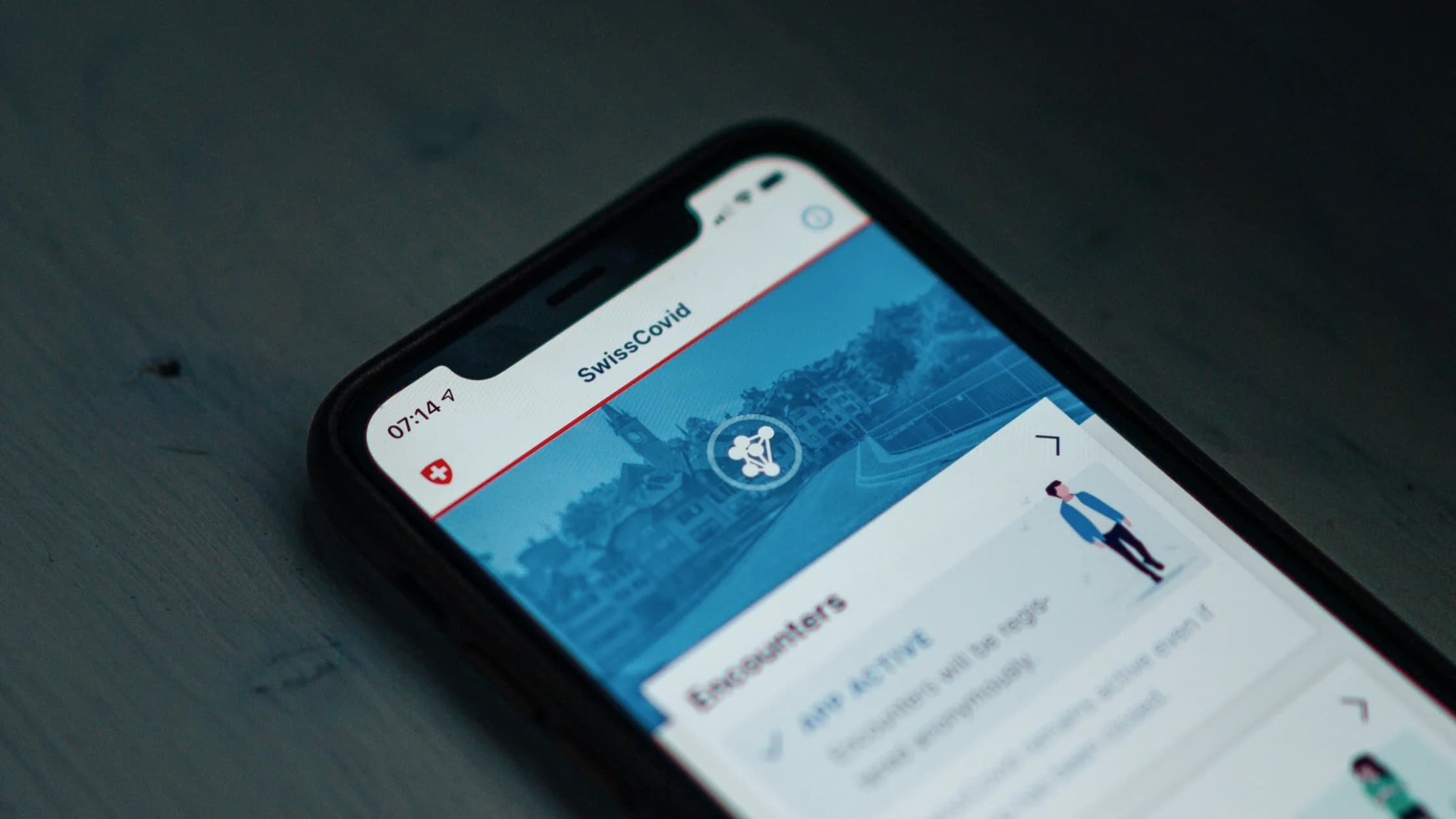

COVID apps do not automatically violate privacy. The real question is what they collect, how long they keep it, who can access it, and whether you can opt out. Apps that rely on precise location, real-name identity, and centralized databases carry more risk. Apps built around data minimization, Bluetooth anonymous identifiers, and on-device processing carry less. Read this alongside our complete digital privacy guide.
Designs vary by country and region, but common data includes name, phone number, identity documents, health status, test results, vaccination records, venue check-ins, GPS location, Bluetooth exposure identifiers, device information, and login logs.
| Data type | Typical use | Privacy risk |
|---|---|---|
| Health status | Access decisions or risk alerts | Sensitive information with high impact if leaked |
| GPS location | Route tracing and area alerts | Can reveal home, work, and social relationships |
| Temporary Bluetooth IDs | Nearby exposure notification | Does not need precise location when designed well |
| Real-name identity | Prevent misuse and verify results | May link health and movement records |
| Check-in records | Venue registration | Can form a detailed movement history |
Apple and Google's exposure notification framework emphasized random Bluetooth identifiers, no collection of user location, and activation by public health authorities.[1]That shows contact notification can be more privacy-preserving, but not every COVID app used that design.
First, collect less. The app should collect only data needed for public health goals, not contacts, advertising IDs, or precise location just because it can. Second, store less. If matching can happen on the device, it should not be uploaded to a centralized database. Third, keep it briefly. After a temporary public health task ends, there should be a clear deletion deadline.
Fourth, be transparent. Users should know why data is used, who receives it, how long it is kept, how to opt out, and how to complain. The World Health Organization also emphasizes trust, governance, and privacy protection in digital health and pandemic response.[2]
Be cautious if an app requests permissions unrelated to the pandemic, such as contacts, microphone, photos, or precise background location. Use what app permissions expose to review them one by one.
Another warning sign is vague policy language: no retention period, no explanation of sharing with law enforcement or commercial entities, and no clear deletion option. Privacy risk often appears not at the moment of collection, but later when data is reused, retained for too long, or merged across systems.
A responsible system should have an exit mechanism: stop collection, restrict access, delete on schedule, publish audit results, and explain which data must be kept for legal or medical reasons. Digital rights groups such as EFF have repeatedly warned that pandemic technologies should not become permanent surveillance infrastructure.[3]
For individuals, do not forget the cleanup phase. Check health apps still running on your phone, remove account links you no longer need, revoke location permissions, and clean up exported health files and screenshots.
No. Some systems use temporary Bluetooth identifiers and do not need GPS location, but others combine check-ins, real-name identity, or location data.
It is more accurate to say they reduce identifiability. Poor design, implementation, or governance can still create re-identification risk.
The main risk is long-term linking or secondary use of real-name identity, health status, venue check-ins, and travel history.
Not necessarily. Deleting the local app removes local access, but server-side deletion depends on the service policy and local law.
No. A VPN mainly protects network connections and IP exposure. It cannot block GPS, Bluetooth, or account permissions you grant directly.
If local policy, work, or travel no longer requires them, delete them or at least revoke sensitive permissions.
Disclaimer: This article provides privacy education only and does not constitute public health, legal, or policy advice. Follow information from the relevant local authorities for specific requirements.
AethoVPN does not replace the non-network steps in “COVID app privacy: 2026 Guide”.
Sources
[1]Apple and Google — Privacy-preserving contact tracing: https://covid19.apple.com/contacttracing [2]World Health Organization — Digital health and COVID-19: https://www.who.int/teams/digital-health-and-innovation [3]Electronic Frontier Foundation — COVID-19 and surveillance concerns: https://www.eff.org/issues/covid-19
Sources checked 8 May 2026.
Related Articles:
Sign up to experience all premium features at no cost.
*Available only to new users. Each user is limited to one trial.