Start your 3-day free trial
Sign up to experience all premium features at no cost.
*Available only to new users. Each user is limited to one trial.
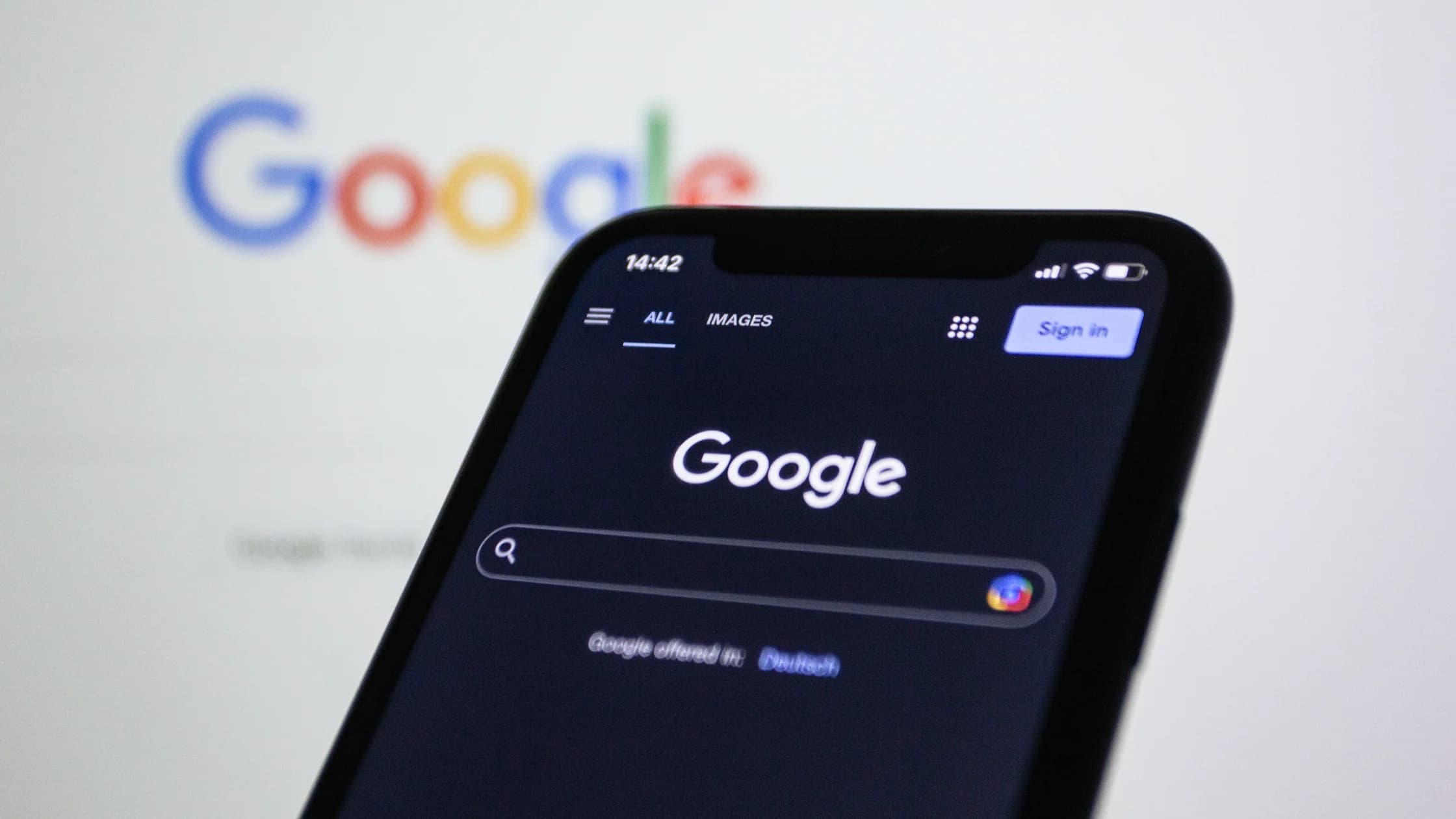

If you open Google but your searches keep landing on Bing, the problem usually is not Bing itself. It is more likely a browser setting, an overpowered extension, or a browser hijacker.[2][4]
This issue is easy to misread as a “Bing problem,” but the real cause is usually one of four things.
Some software and extensions can change browser settings, including the default search engine. That is not always malicious, but if you never approved it, treat it as a warning sign.[2]
Chrome explains that powerful extensions can read and change data on websites you visit. Chrome Web Store Help also notes that some extensions, with your permission, can change the homepage, new tab page, search engine, and startup page.[3][2] Shopping assistants, downloaders, coupon tools, and unknown toolbars can abuse those permissions to redirect searches.
If extension permissions feel fuzzy, read our app permissions risk guide next.
Google Chrome Help lists symptoms such as a homepage or search engine changing without your knowledge, extensions returning repeatedly, and redirects to unfamiliar pages.[2] That is the real reason behind many “Google redirects to Bing” cases.
If one device is affected, Chrome sync can bring the same bad extension or setting to other devices. That is why the problem may return shortly after you think you fixed it.
If sync stays on, deleted settings may come back. Pause sync first, then clean up the browser.
Open the extensions page and remove anything you do not recognize, installed recently, has a strange name, or asks for broad permissions. Chrome also recommends keeping only trusted extensions and checking whether an extension controls search or homepage settings.[2][3]
Set your preferred search engine again. Also check the startup page, new tab page, and browser shortcut targets.
Google provides a reset feature for cases where apps or extensions changed settings without your knowledge.[1] If manual checks did not fix the problem, resetting Chrome can be faster and cleaner.
If extensions are removed and settings are reset but the redirect still returns, look for leftover software, proxies, DNS changes, startup items, or hijacking tools on the system.
This is especially important on Windows or devices that often use third-party downloaders. If accounts show unusual logins or the browser has unfamiliar saved passwords, check your email account too. Our data breach response guide can help with the next layer.
Many browser problems start with extensions, not the browser itself.
Search hijackers often arrive in bundled installers. You may think you installed a PDF tool and also get a toolbar or redirector.
The riskiest second step after a browser problem is downloading another one-click cleaner from an unknown site.
Updates will not fix every hijacker, but they reduce known vulnerabilities and old compatibility issues.
For redirects, weird extensions, and suspicious pop-ups, follow the same basic flow instead of searching for a new quick fix every time. Our digital privacy guide can act as the higher-level checklist.
No. Sometimes the default search engine was simply changed. But if you did not change it and you also see pop-ups, unknown extensions, or constant redirects, it may be hijacking or unwanted software.[2]
Usually no. Bing is often just the final destination. The real issue is something redirecting your search traffic.
Sync may be restoring the bad setting, or a leftover extension or system-level program may still be changing settings.
Google says resetting settings does not delete bookmarks or passwords, but it does restore some browser settings to their defaults.[1]
Yes. macOS can see the same issue if browser extensions, proxy settings, or synced data have been changed.
A VPN cannot remove a malicious extension, but it can reduce network-layer monitoring and exposure on public Wi-Fi. The real fix still happens in the browser and system.
Disclaimer
This article is for general cybersecurity education only and does not guarantee technical support for a specific system environment. If your device is managed by a company or school, contact your administrator first.
“Why Does Google Redirect to Bing Causes and Fixes” is published by AethoVPN; a VPN does not perform the task.
Sources
Sources checked 8 May 2026.
Related Articles:
Sign up to experience all premium features at no cost.
*Available only to new users. Each user is limited to one trial.