Start your 3-day free trial
Sign up to experience all premium features at no cost.
*Available only to new users. Each user is limited to one trial.
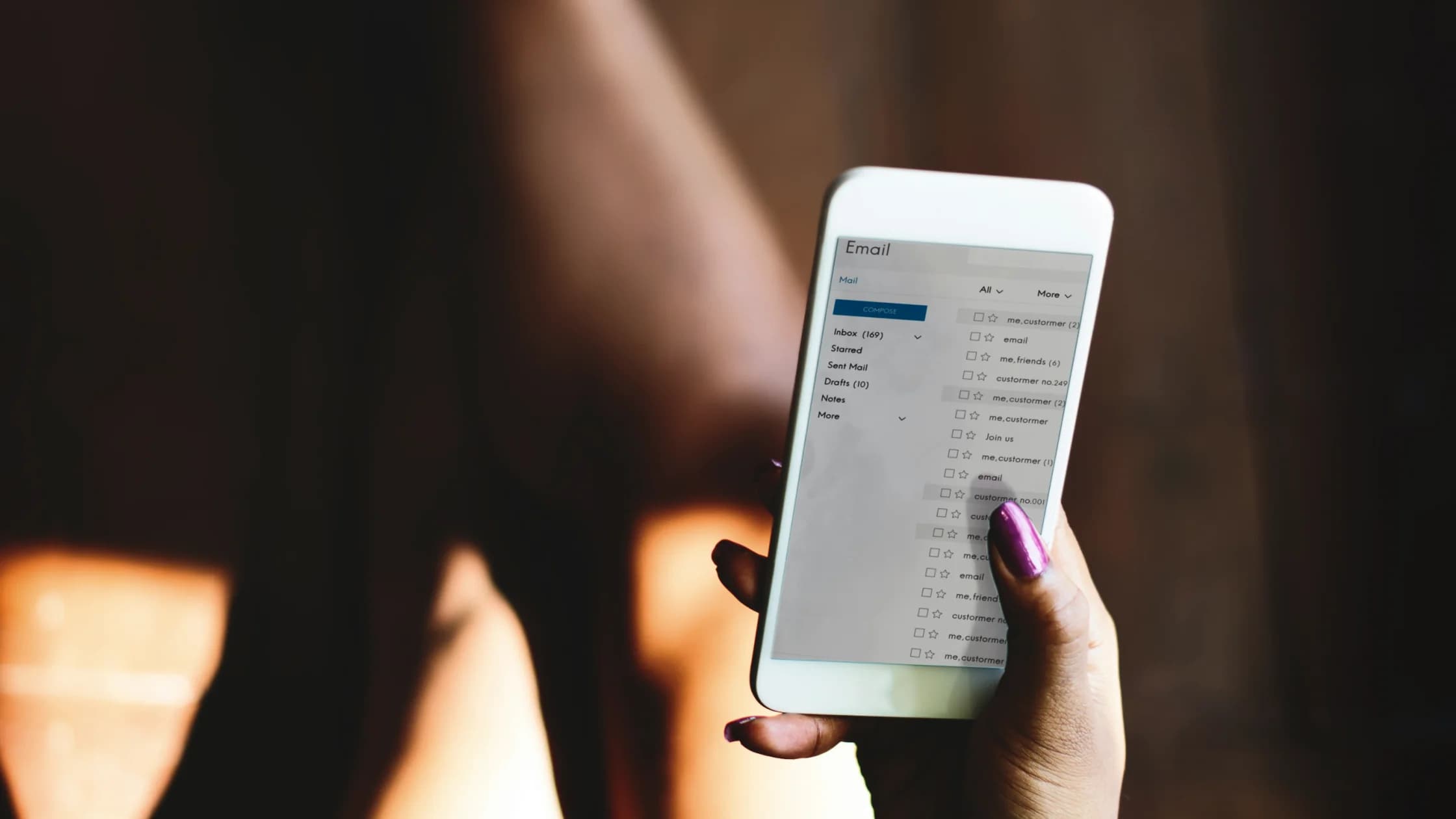

A phishing email is a fraudulent message that pretends to come from a trusted organization or person. Its goal is to make you click a link, reveal a password, download a malicious attachment, or send money. The key is not hunting for typos. It is verifying identity, domain, request, and process. For a broader framework, read the complete online security guide.
| Sign | How to check it |
|---|---|
| Odd sender domain spelling | Look for paypa1.com, extra hyphens, or unfamiliar subdomains |
| Generic greeting | "Dear user" without account or order details |
| Manufactured urgency | "Act within 24 hours or your account will be closed" |
| Password or code request | Legitimate organizations usually do not ask for codes by email |
| Link text and real URL differ | Hover or long-press to preview the actual domain |
| Suspicious attachment type | Be careful with .html, .js, archives, and macro documents |
| Unusual tone | A familiar person changes greeting, language, or asks for secrecy |
| Payment details changed | New bank details must be confirmed independently |
| Normal process is bypassed | No ticket, approval, official app, or support channel |
The FTC's phishing guidance focuses on the same themes: suspicious links, requests for sensitive information, impersonation of trusted organizations, and panic.[1]
Google's safety tips likewise recommend verifying the sender address, checking for look-alike domains, and thinking twice about urgent requests.[3]
Attackers no longer rely only on rough templates. They use names from leaked databases, old order details, job titles, and realistic brand login pages and email layouts. Generative tools make the language more natural, so grammar mistakes are no longer a reliable test.
Many phishing emails also avoid sending malware directly. Instead, they send you to a page that looks like Microsoft, Google, your bank, or a courier portal. Once you enter a password, the attacker may try to log in immediately and may even ask you for an MFA code.
First, identify what you did. If you only opened the page and did not enter information, close it, remove any downloads, and run a security scan. If you entered a password, change it on the real website immediately, sign out of all devices, and check account recovery email, phone number, forwarding rules, and connected apps.
If you entered card details, an ID number, or a verification code, contact your bank, the platform's support team, or company IT as soon as possible. If a work email account is involved, do not handle it quietly. The attacker may have already set forwarding rules or may impersonate you to target colleagues.
First, use a password manager. It separates passwords for every site and uses domain matching to help reveal fake login pages. Second, turn on MFA for email, banking, cloud storage, and social accounts. CISA advises users to stay cautious with suspicious emails and report or handle them through official channels.[2]
Third, reduce email exposure. When signing up for one-time events, downloads, or trial services, use an email alias or temporary address. You can also read how to protect your email and how to stop getting spam emails.
No. Some phishing emails bypass filters, especially targeted messages that impersonate colleagues, clients, or vendors.
Modern email services usually restrict automatic execution, but do not download attachments, enable macros, or open unfamiliar links.
Long-press the link to preview the domain, and do not trust only the button text. Short links, odd spelling, and unfamiliar subdomains deserve caution.
Yes, but you should not log in from the email link. Open the bank app directly or type the official website address.
Your name and email may come from public profiles, past breaches, marketing lists, or social platforms. That does not make the email trustworthy.
Notify IT or the security team immediately, change the password, revoke sessions, check forwarding rules, and investigate whether colleagues received follow-up phishing.
Disclaimer: This article provides general security education and does not replace company security procedures or professional incident response advice.
This guide comes from AethoVPN; VPN routing does not carry out the checks required for spot phishing emails.
Sources
[1]Federal Trade Commission — How to recognize and avoid phishing scams: https://consumer.ftc.gov/articles/how-recognize-and-avoid-phishing-scams [2]CISA — Avoiding Social Engineering and Phishing Attacks: https://www.cisa.gov/news-events/news/avoiding-social-engineering-and-phishing-attacks [3]Google Safety Center — Tips to Help You Stay Safe Online: https://safety.google/safety/security-tips/
Sources checked 8 May 2026.
Related Articles:
Sign up to experience all premium features at no cost.
*Available only to new users. Each user is limited to one trial.